
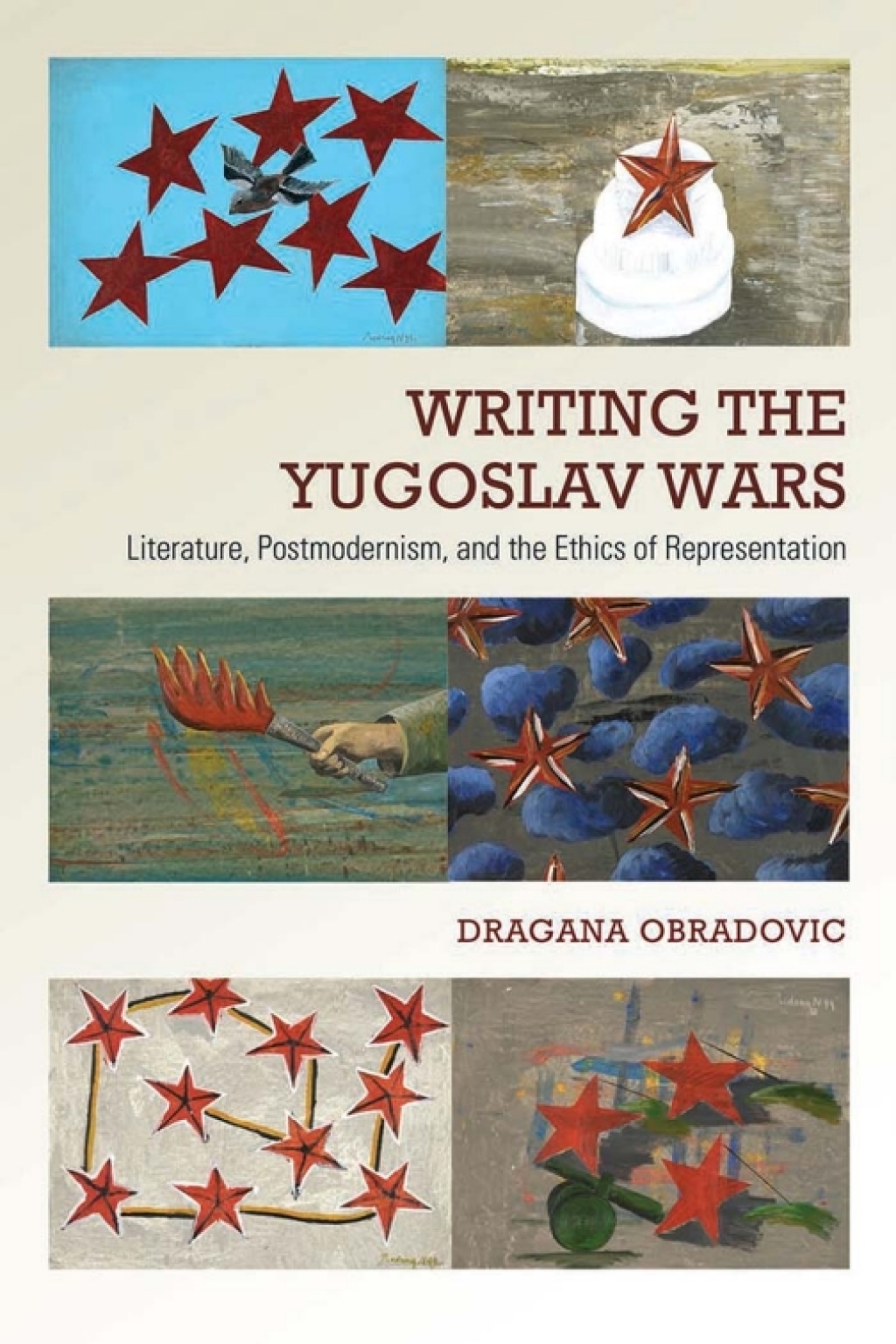
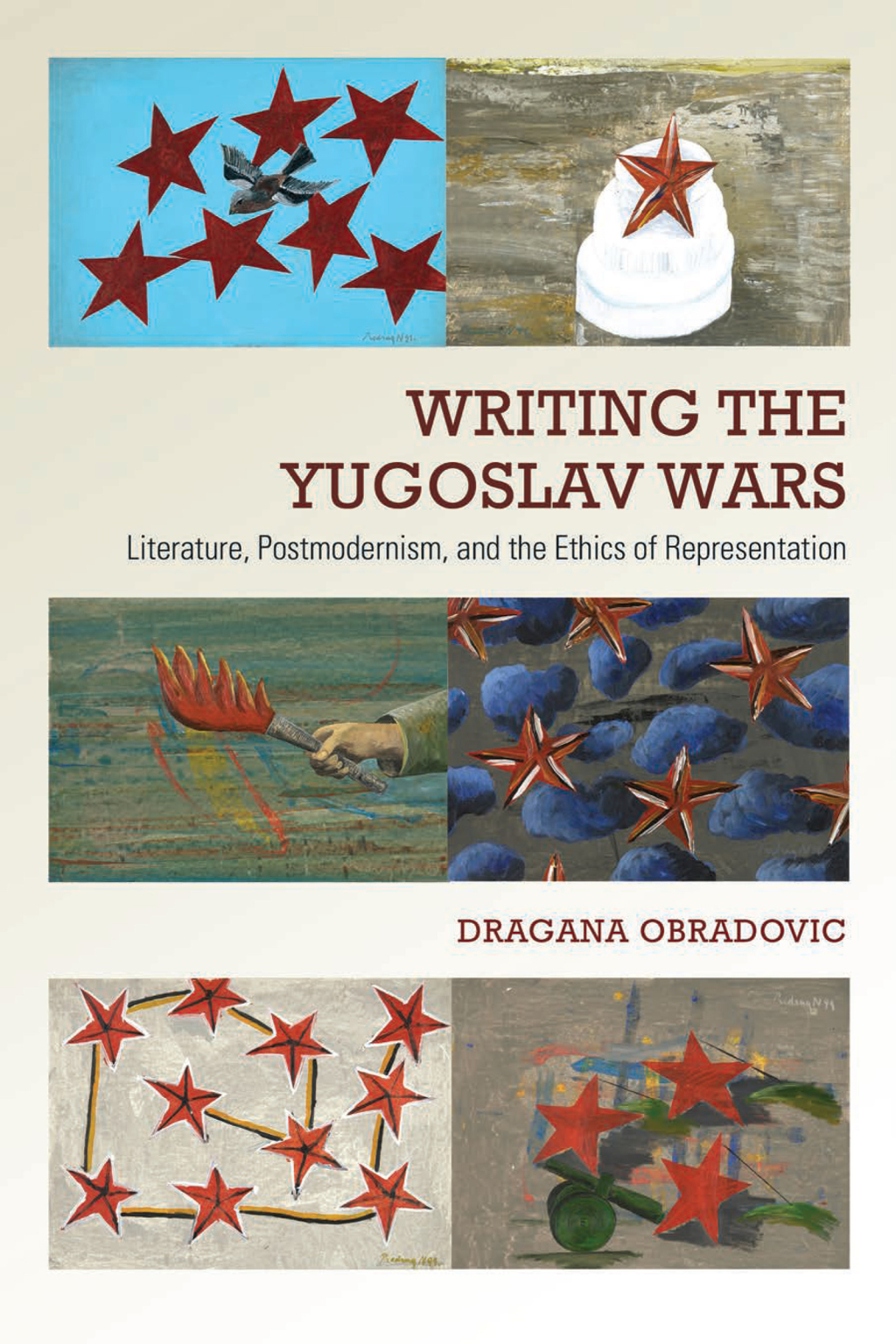
Writing the Yugoslav Wars Literature, Postmodernism, and the Ethics of Representation 1st Edition – PDF/EPUB Version Downloadable
$49.99
Author(s): Dragana Obradovic
Publisher: University of Toronto Press
ISBN: 9781442629547
Edition: 1st Edition
In Writing the Yugoslav Wars, Dragana Obradović analyses how the Yugoslav wars of secession helped shape the region’s literary culture. Obradović argues that the crisis of the country’s disintegration posed an ethical challenge to self-identified postmodernists. This book takes a transnational approach to literatures of the former Yugoslavia that have been, since the 1990s, studied separately, in line with geopolitical divisions. This post-socialist conflict was one of the moments that reshaped postmodernism for both local and international thinkers, much in the same way modernism was shaped by World War I and the advent of mechanized warfare.
Related products
-1st-edition-%E2%80%93-pdfepub-version-downloadable-8741-yaq5g.jpg)



Writing the Yugoslav Wars Literature, Postmodernism, and the Ethics of Representation 1st Edition – PDF/EPUB Version Downloadable
$49.99
Author(s): Dragana Obradovic
Publisher: University of Toronto Press
ISBN: 9781442629547
Edition: 1st Edition
In Writing the Yugoslav Wars, Dragana Obradović analyses how the Yugoslav wars of secession helped shape the region’s literary culture. Obradović argues that the crisis of the country’s disintegration posed an ethical challenge to self-identified postmodernists. This book takes a transnational approach to literatures of the former Yugoslavia that have been, since the 1990s, studied separately, in line with geopolitical divisions. This post-socialist conflict was one of the moments that reshaped postmodernism for both local and international thinkers, much in the same way modernism was shaped by World War I and the advent of mechanized warfare.