
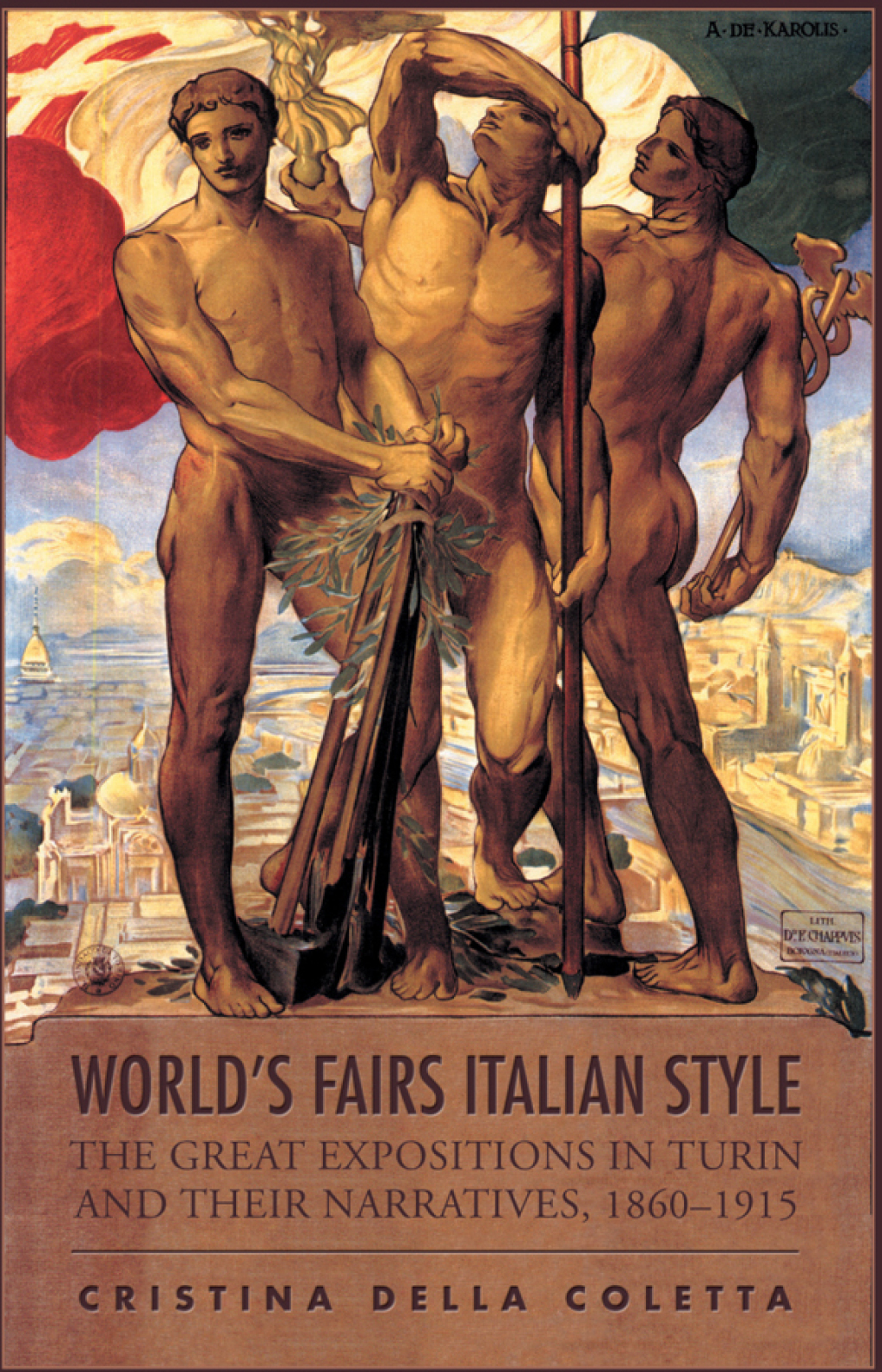
World’s Fairs Italian-Style The Great Expositions in Turin and their Narratives, 1860-1915 1st Edition – PDF/EPUB Version Downloadable
$49.99
Author(s): Cristina Della Coletta
Publisher: University of Toronto Press
ISBN: 9781487520564
Edition: 1st Edition
According to conventional wisdom, Italy was not an influential participant in the nationalistic and imperialistic discourses that world’s fairs produced in countries such as Great Britain, France, and the United States. In the late nineteenth and early twentieth centuries, however, Italy hosted numerous national and international exhibitions expounding notions of national identity, imperial expansion, technological progress, and capitalist growth.
World’s Fairs Italian-Style explores world’s fairs in Italy at the turn of the twentieth century in comparison to their more famous counterparts in France, England, and the United States. Cristina Della Coletta demonstrates that, because of its social fragmentation and hybrid history, Italy was a site of both hegemony and subordination – an aspiring imperial power whose colonization started from within. She focuses on two best-selling authors, Emilio Salgari and Guido Gozzano, and illustrates how these authors interpreted their age’s ‘exposition mentality.’ Salgari and Gozzano’s exposition narratives, Della Coletta argues, reveal Italy’s uncertainties about own sense of national identity, and its belated commitment to Western imperialism.
Of interest to students and scholars of literature, cultural history, and Italian, World’s Fairs Italian-Style provides a fascinating glimpse into a hitherto unexplored area of study, and brings to light a cultural phenomenon that played a significant role in shaping Italy’s national identity.
Related products
-1st-edition-%E2%80%93-pdfepub-version-downloadable-8741-yaq5g.jpg)
-1st-edition-%E2%80%93-pdfepub-version-downloadable-4292-c4gaw.jpg)




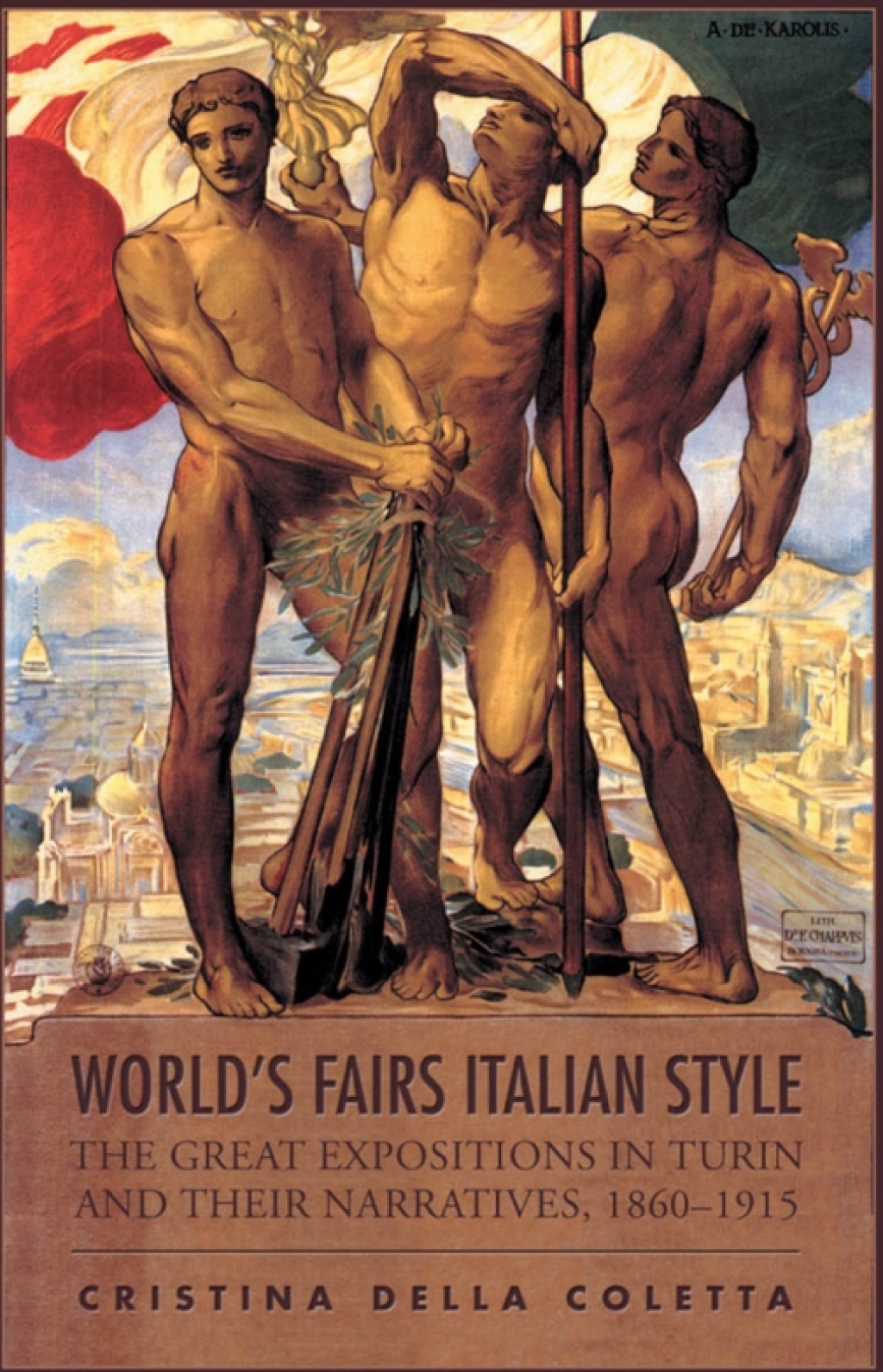
World’s Fairs Italian-Style The Great Expositions in Turin and their Narratives, 1860-1915 1st Edition – PDF/EPUB Version Downloadable
$49.99
Author(s): Cristina Della Coletta
Publisher: University of Toronto Press
ISBN: 9781487520564
Edition: 1st Edition
According to conventional wisdom, Italy was not an influential participant in the nationalistic and imperialistic discourses that world’s fairs produced in countries such as Great Britain, France, and the United States. In the late nineteenth and early twentieth centuries, however, Italy hosted numerous national and international exhibitions expounding notions of national identity, imperial expansion, technological progress, and capitalist growth.
World’s Fairs Italian-Style explores world’s fairs in Italy at the turn of the twentieth century in comparison to their more famous counterparts in France, England, and the United States. Cristina Della Coletta demonstrates that, because of its social fragmentation and hybrid history, Italy was a site of both hegemony and subordination – an aspiring imperial power whose colonization started from within. She focuses on two best-selling authors, Emilio Salgari and Guido Gozzano, and illustrates how these authors interpreted their age’s ‘exposition mentality.’ Salgari and Gozzano’s exposition narratives, Della Coletta argues, reveal Italy’s uncertainties about own sense of national identity, and its belated commitment to Western imperialism.
Of interest to students and scholars of literature, cultural history, and Italian, World’s Fairs Italian-Style provides a fascinating glimpse into a hitherto unexplored area of study, and brings to light a cultural phenomenon that played a significant role in shaping Italy’s national identity.