
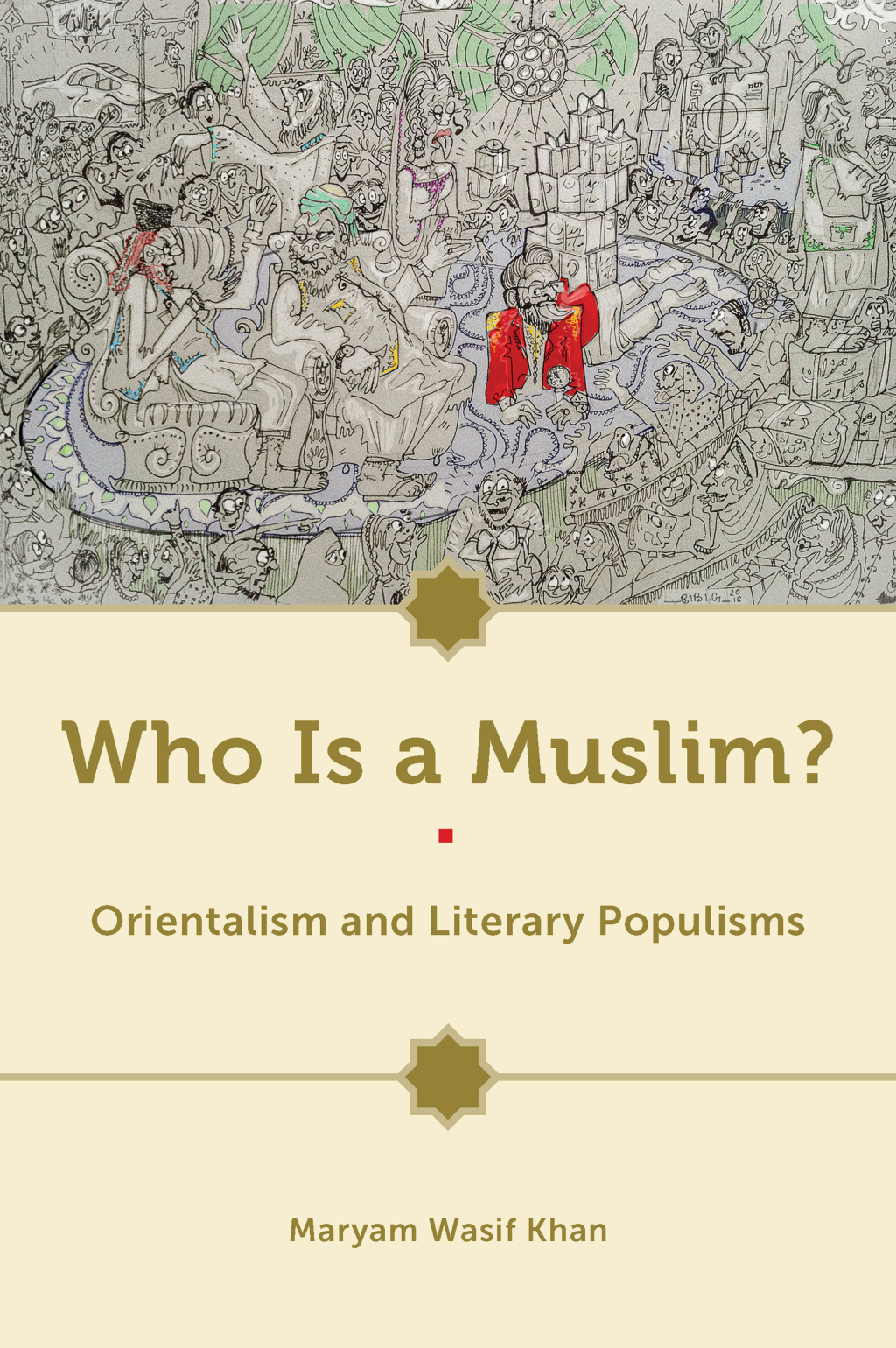
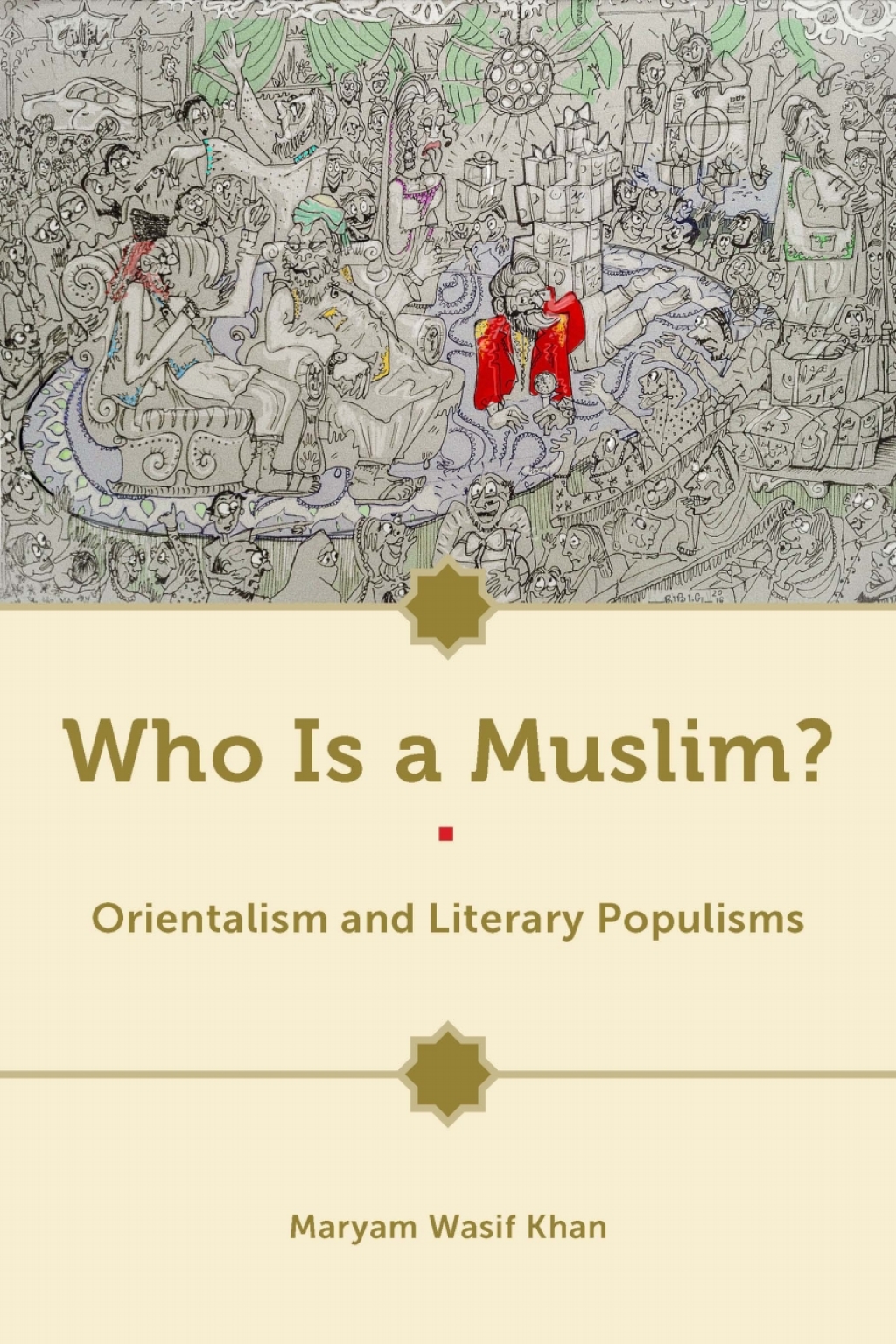
Who Is a Muslim? Orientalism and Literary Populisms 1st Edition – PDF/EPUB Version Downloadable
$49.99
Author(s): Maryam Wasif Khan
Publisher: Fordham University Press
ISBN: 9780823290130
Edition: 1st Edition
Who Is a Muslim? argues that modern Urdu literature, from its inception in colonial institutions such as Fort William College, Calcutta, to its dominant iterations in contemporary Pakistan—popular novels, short stories, television serials—is formed around a question that is and historically has been at the core of early modern and modern Western literatures. The question “Who is a Muslim?,†a constant concern within eighteenth-century literary and scholarly orientalist texts, the English oriental tale chief among them, takes on new and dangerous meanings once it travels to the North-Indian colony, and later to the newly formed Pakistan. A literary-historical study spanning some three centuries, this book argues that the idea of an Urdu canon, far from secular or progressive, has been shaped as the authority designate around the intertwined questions of piety, national identity, and citizenship.
Related products
Who Is a Muslim? Orientalism and Literary Populisms 1st Edition – PDF/EPUB Version Downloadable
$49.99
Author(s): Maryam Wasif Khan
Publisher: Fordham University Press
ISBN: 9780823290130
Edition: 1st Edition
Who Is a Muslim? argues that modern Urdu literature, from its inception in colonial institutions such as Fort William College, Calcutta, to its dominant iterations in contemporary Pakistan—popular novels, short stories, television serials—is formed around a question that is and historically has been at the core of early modern and modern Western literatures. The question “Who is a Muslim?,†a constant concern within eighteenth-century literary and scholarly orientalist texts, the English oriental tale chief among them, takes on new and dangerous meanings once it travels to the North-Indian colony, and later to the newly formed Pakistan. A literary-historical study spanning some three centuries, this book argues that the idea of an Urdu canon, far from secular or progressive, has been shaped as the authority designate around the intertwined questions of piety, national identity, and citizenship.