
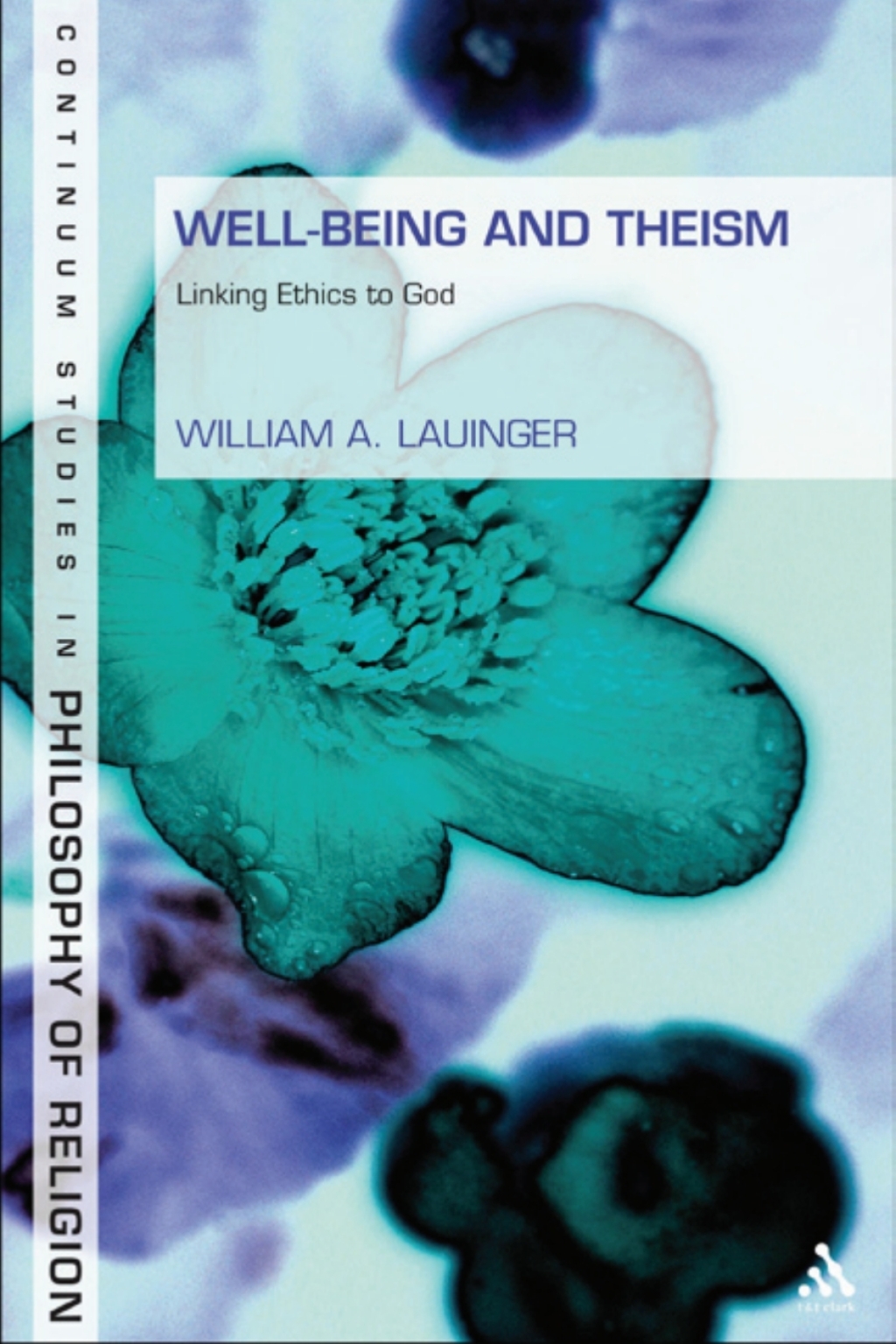

Well-Being and Theism Linking Ethics to God 1st Edition – PDF/EPUB Version Downloadable
$49.99
Author(s): William A. Lauinger
Publisher: Continuum USA
ISBN: 9781628926880
Edition: 1st Edition
Well-Being and Theism is divided into two distinctive parts. The first part argues that desire-fulfillment welfare theories fail to capture the ‘good’ part of ‘good for’, and that objective list welfare theories fail to capture the ‘for’ part of ‘good for’. Then, with the aim of capturing both of these parts of ‘good for’, a conjunctive theory-one which places both a value constraint and a desire constraint on well-being-is advanced. Lauinger then defends this proposition, which he calls the desire-perfectionism theory, against possible objections.  In the second part, Lauinger explores the question “What metaphysics best supports the claim that the vast majority of humans have the desires for friendship, accomplishment, health, etc., built into themselves?” It is argued that there are two general metaphysical routes that might convincingly be taken here, and that each one leads us toward theism.
Related products
-1st-edition-%E2%80%93-pdfepub-version-downloadable-8741-yaq5g.jpg)







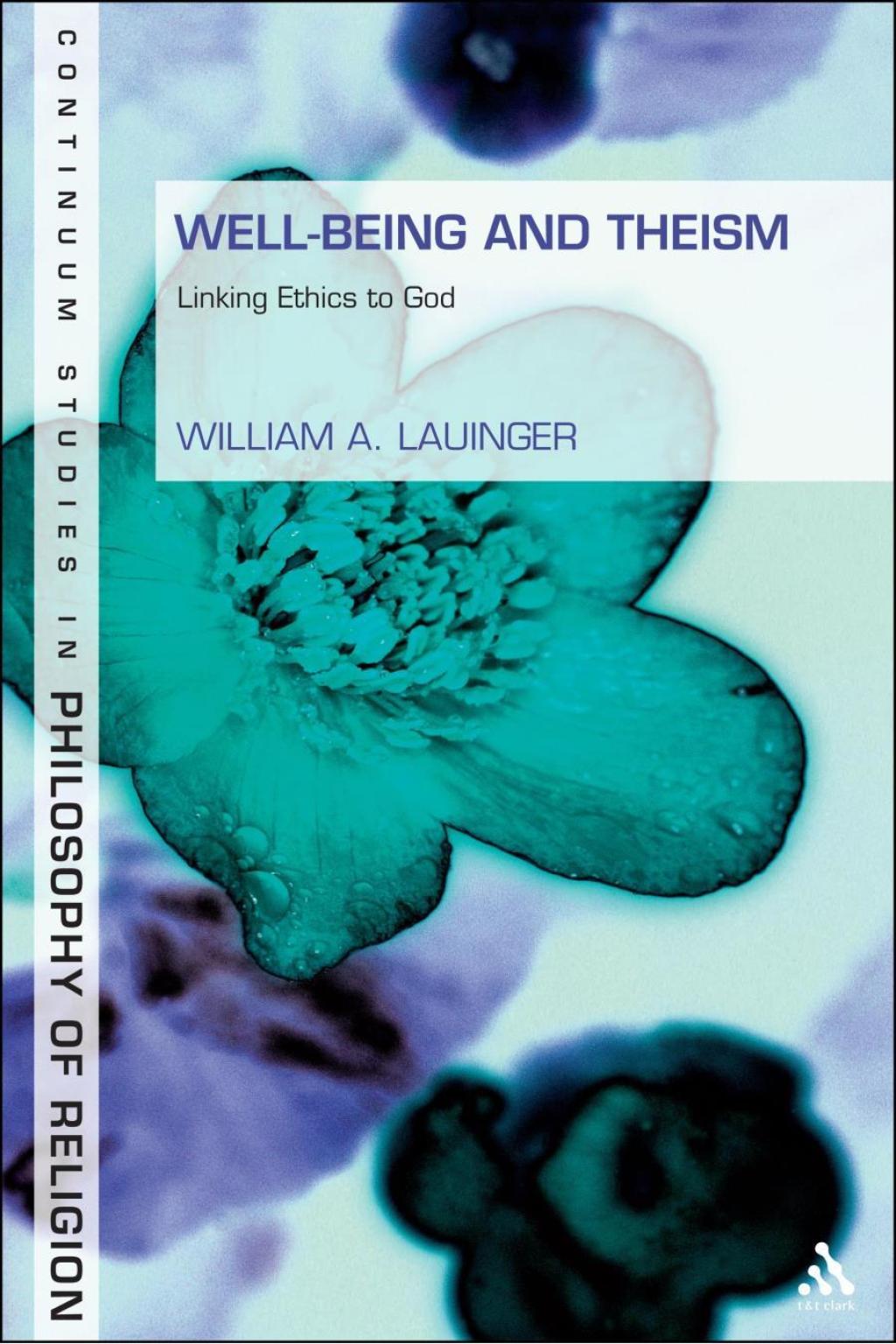

Well-Being and Theism Linking Ethics to God 1st Edition – PDF/EPUB Version Downloadable
$49.99
Author(s): William A. Lauinger
Publisher: Continuum USA
ISBN: 9781628926880
Edition: 1st Edition
Well-Being and Theism is divided into two distinctive parts. The first part argues that desire-fulfillment welfare theories fail to capture the ‘good’ part of ‘good for’, and that objective list welfare theories fail to capture the ‘for’ part of ‘good for’. Then, with the aim of capturing both of these parts of ‘good for’, a conjunctive theory-one which places both a value constraint and a desire constraint on well-being-is advanced. Lauinger then defends this proposition, which he calls the desire-perfectionism theory, against possible objections.  In the second part, Lauinger explores the question “What metaphysics best supports the claim that the vast majority of humans have the desires for friendship, accomplishment, health, etc., built into themselves?” It is argued that there are two general metaphysical routes that might convincingly be taken here, and that each one leads us toward theism.