
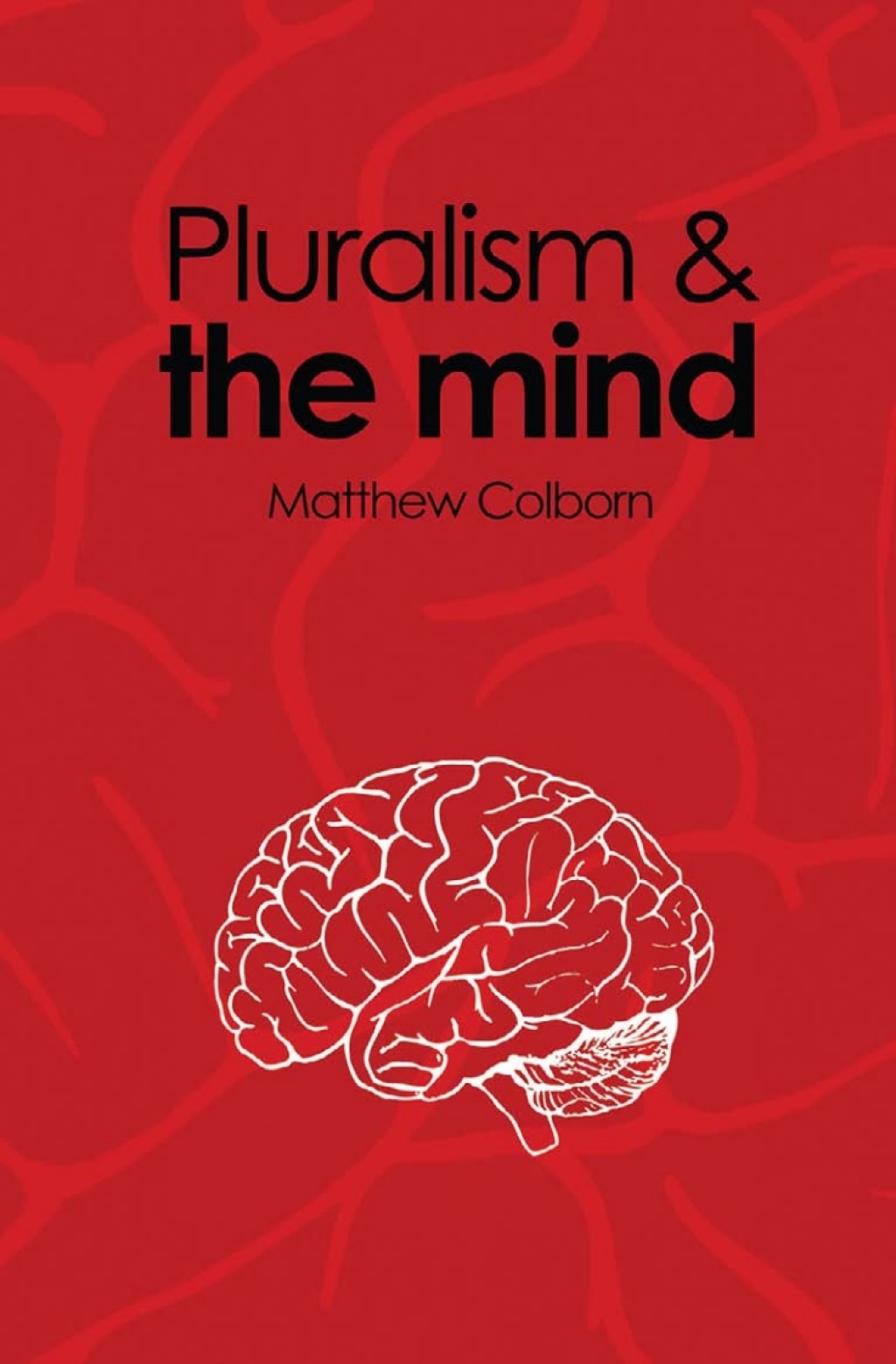
Pluralism and the Mind 1st Edition – PDF/EPUB Version Downloadable
$49.99
Author(s): Matthew Colborn
Publisher: Imprint Academic
ISBN: 9781845402211
Edition: 1st Edition
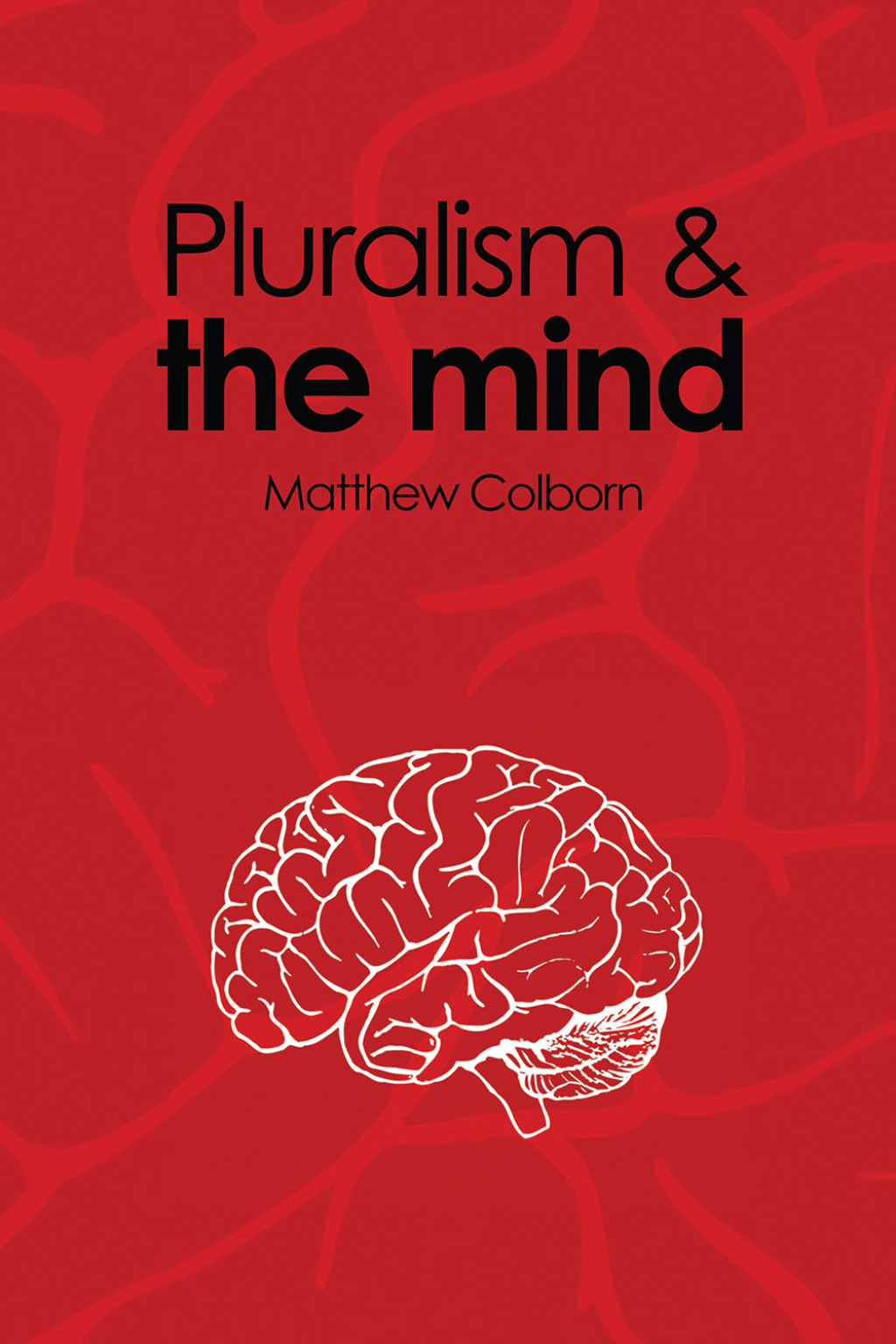
Paul Feyerabend noted that ‘… the world which we want to explore is a largely unknown entity. We must, therefore, keep our options open and … not restrict ourselves in advance.’ (1975, p. 20). Given that consciousness is poorly understood and vaguely defined, such advice seems sound, but is frequently ignored in favour of an insistence that a scientific theory of consciousness must be reducible to current monist physics and biology.
This book argues that such an insistence is historically unsupportable, theoretically incoherent and unnecessary. The author instead makes the case for emergent property pluralism. New concepts of emergent mental properties are needed in part because of the failure of mainstream approaches (like computationalism or dynamical systems) satisfactorily to address issues like subjective volition, autonomy and creativity. The author sees personal consciousness as active and classifiable as a subset of the wider problem of biological causation. (‘Biological causation’ is my term for issues like downwards causation, ‘final causes,’ purposive behaviour and autonomy that are poorly handled by conventional evolutionary, computational or dynamical systems models (See Rosen, 1991, Ho, 2008). Rosen’s approach is especially useful from a pluralistic perspective because of his insistence that ‘no one mode of causal entailment suffices to understand anything’ (Rosen, 1991, p. 13.))
The book is split into three sections. Part one builds an historical case for pluralism. Part two deconstructs insistent monism and mainstream models before addressing biological causation. Part three explores the consequences of such an alternative approach by examining specific phenomena like free will, the self and evolutionary emergence.
Related products


Pluralism and the Mind 1st Edition – PDF/EPUB Version Downloadable
$49.99
Author(s): Matthew Colborn
Publisher: Imprint Academic
ISBN: 9781845402211
Edition: 1st Edition
Paul Feyerabend noted that ‘… the world which we want to explore is a largely unknown entity. We must, therefore, keep our options open and … not restrict ourselves in advance.’ (1975, p. 20). Given that consciousness is poorly understood and vaguely defined, such advice seems sound, but is frequently ignored in favour of an insistence that a scientific theory of consciousness must be reducible to current monist physics and biology.
This book argues that such an insistence is historically unsupportable, theoretically incoherent and unnecessary. The author instead makes the case for emergent property pluralism. New concepts of emergent mental properties are needed in part because of the failure of mainstream approaches (like computationalism or dynamical systems) satisfactorily to address issues like subjective volition, autonomy and creativity. The author sees personal consciousness as active and classifiable as a subset of the wider problem of biological causation. (‘Biological causation’ is my term for issues like downwards causation, ‘final causes,’ purposive behaviour and autonomy that are poorly handled by conventional evolutionary, computational or dynamical systems models (See Rosen, 1991, Ho, 2008). Rosen’s approach is especially useful from a pluralistic perspective because of his insistence that ‘no one mode of causal entailment suffices to understand anything’ (Rosen, 1991, p. 13.))
The book is split into three sections. Part one builds an historical case for pluralism. Part two deconstructs insistent monism and mainstream models before addressing biological causation. Part three explores the consequences of such an alternative approach by examining specific phenomena like free will, the self and evolutionary emergence.