
-1st-edition-%E2%80%93-pdfepub-version-downloadable-2546-7ff8n.jpg)
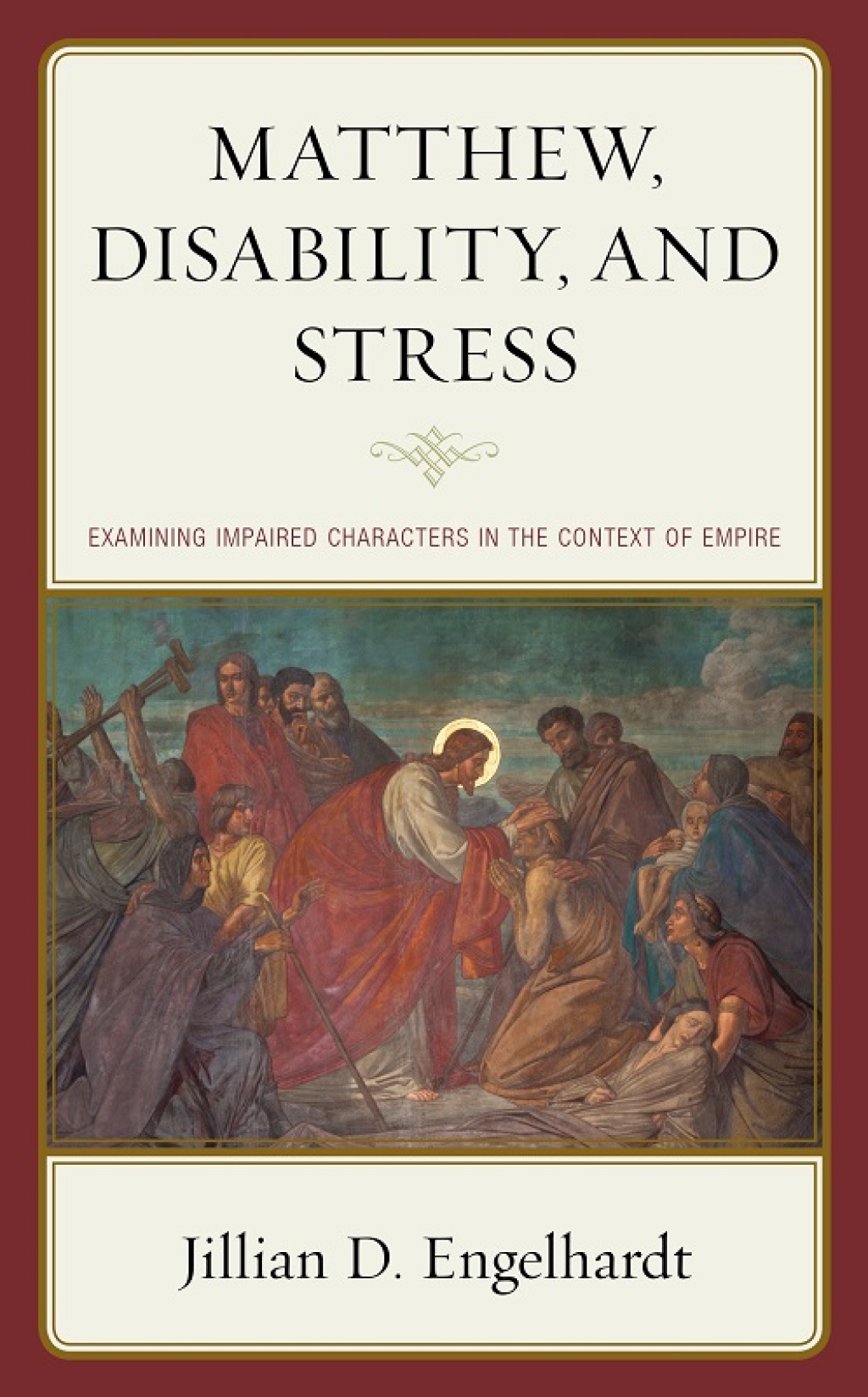
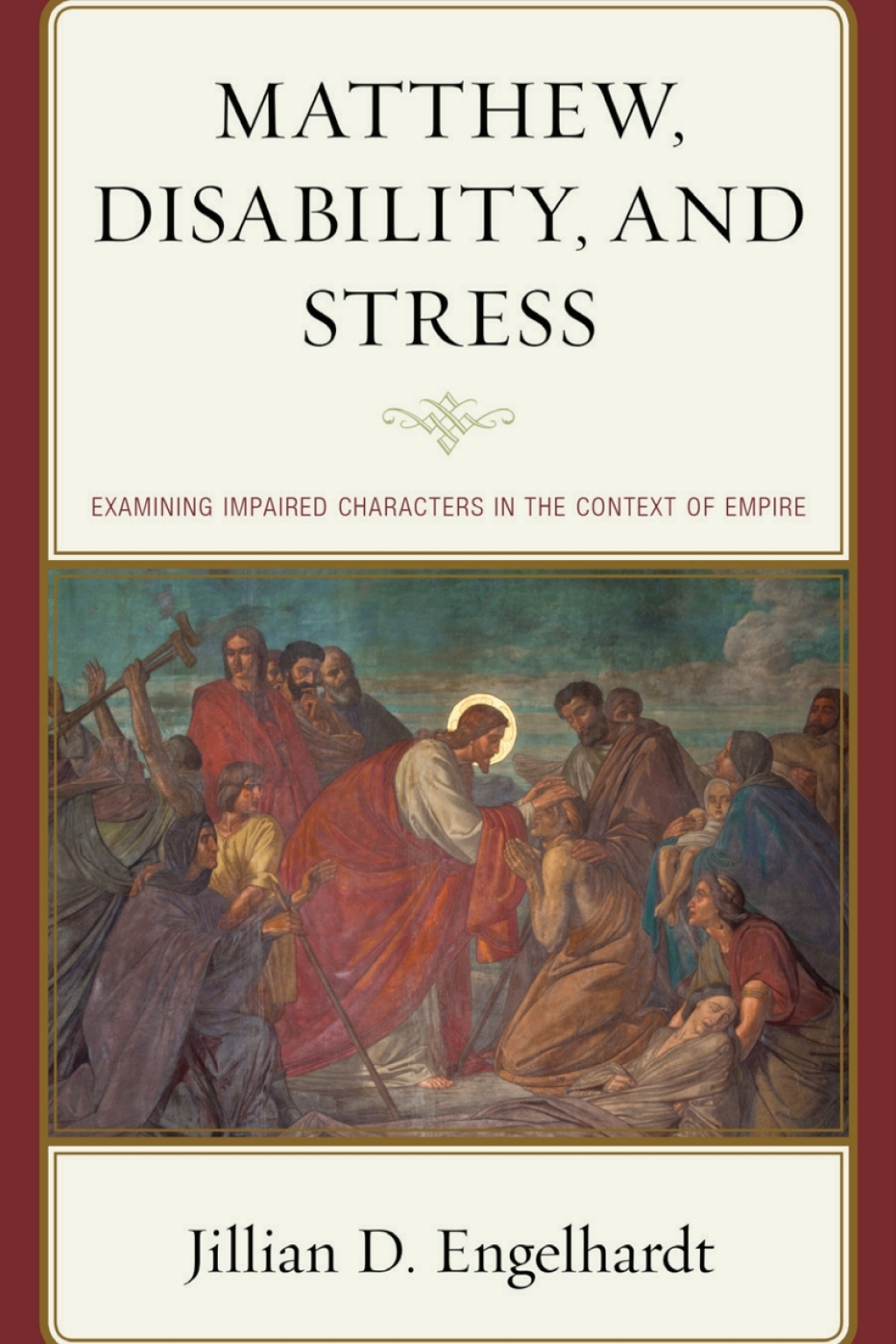
Matthew, Disability, and Stress Examining Impaired Characters in the Context of Empire 1st Edition – PDF/EPUB Version Downloadable
$49.99
Author(s): Jillian D. Nelson
Publisher: Fortress Academic
ISBN: 9781978712034
Edition: 1st Edition
In Matthew, Disability, and Stress: Examining Impaired Characters in the Context of Empire, Jillian D. Engelhardt examines four Matthean healing narratives, focusing on the impaired characters in the scenes. Her reading is informed by both empire studies and social stress theory, a method that explores how the stress inherent in social location can affect psychosomatic health. By examining the Roman imperial context in which common folk lived and worked, she argues that attention to social and somatic circumstances, which may have accompanied or caused the described disabilities/impairments, destabilizes readings of these stories that suggest the encounter with Jesus was straightforwardly good and the healing was permanent. Instead, Engelhardt proposes various new contexts for and offers more nuanced characterizations of the disabled/impaired people in each discussed scene, resulting in ambiguous interpretations that de-center Jesus and challenge able-bodied assumptions about embodiment, disability, and healing.
Related products




Matthew, Disability, and Stress Examining Impaired Characters in the Context of Empire 1st Edition – PDF/EPUB Version Downloadable
$49.99
Author(s): Jillian D. Nelson
Publisher: Fortress Academic
ISBN: 9781978712034
Edition: 1st Edition
In Matthew, Disability, and Stress: Examining Impaired Characters in the Context of Empire, Jillian D. Engelhardt examines four Matthean healing narratives, focusing on the impaired characters in the scenes. Her reading is informed by both empire studies and social stress theory, a method that explores how the stress inherent in social location can affect psychosomatic health. By examining the Roman imperial context in which common folk lived and worked, she argues that attention to social and somatic circumstances, which may have accompanied or caused the described disabilities/impairments, destabilizes readings of these stories that suggest the encounter with Jesus was straightforwardly good and the healing was permanent. Instead, Engelhardt proposes various new contexts for and offers more nuanced characterizations of the disabled/impaired people in each discussed scene, resulting in ambiguous interpretations that de-center Jesus and challenge able-bodied assumptions about embodiment, disability, and healing.
-1st-edition-%E2%80%93-pdfepub-version-downloadable-8741-yaq5g.jpg)
-1st-edition-%E2%80%93-pdfepub-version-downloadable-4292-c4gaw.jpg)