
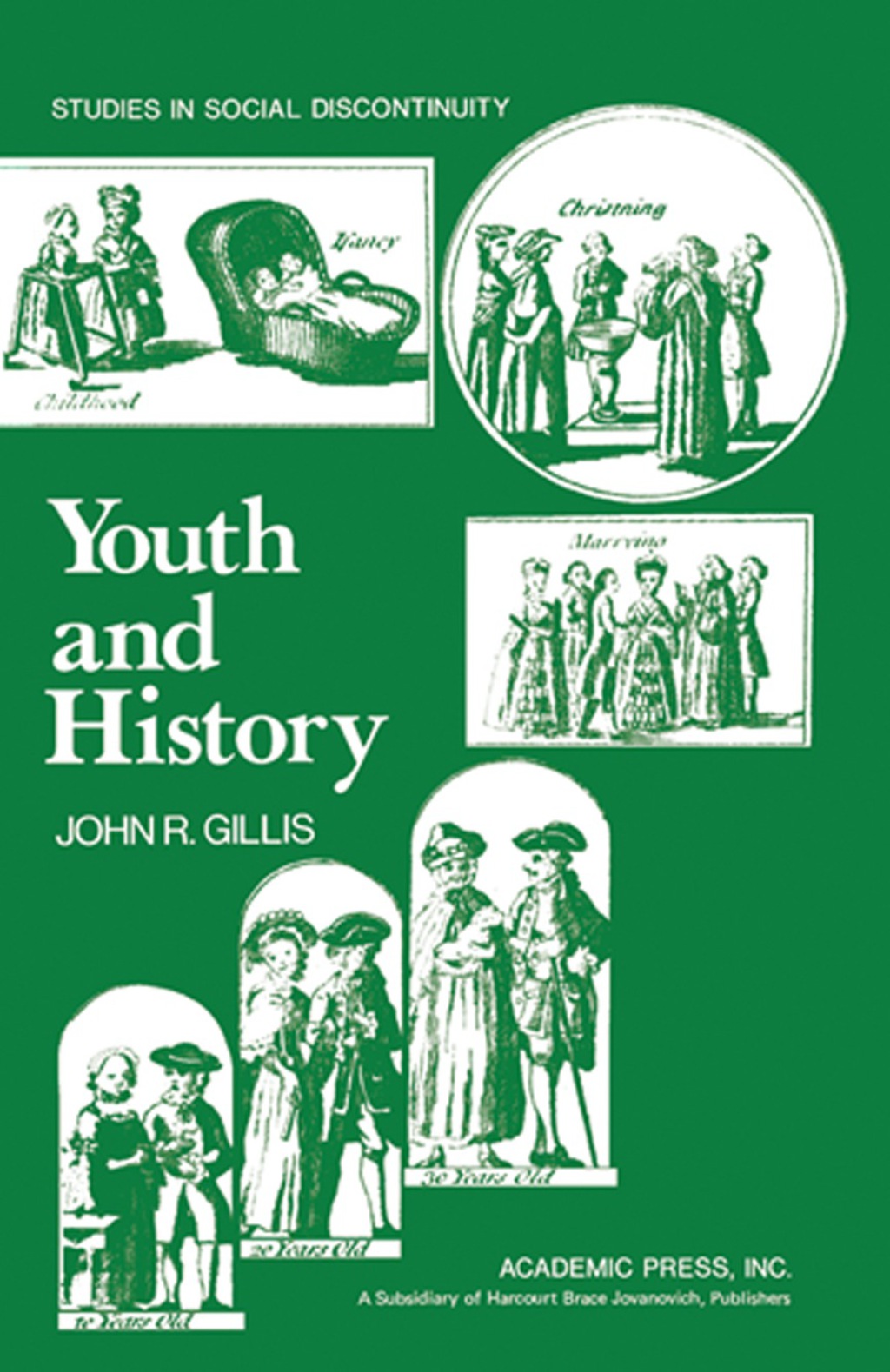


Youth and History Tradition and Change in European Age Relations 1770–Present – PDF/EPUB Version Downloadable
$49.99
Author(s): John R. Gillis
Publisher: Academic Press
ISBN: 9780127852621
Edition:
Youth and History: Tradition and Change in European Age Relations 1770-Present deals with the patterns of behavior and styles that characterizes the youth in a particular period of time. Chapters in the book discuss such topics as the description of youth in preindustrial Europe; the emergence of separate working class and middle class traditions of youth and the conflict between these traditions, as it was institutionalized in the academic and extracurricular cultures of the early twentieth century; and the youth tradition in the volatile 1950s and 1960s. Psychologists, sociologists, and historians will find the book insightful.
Related products





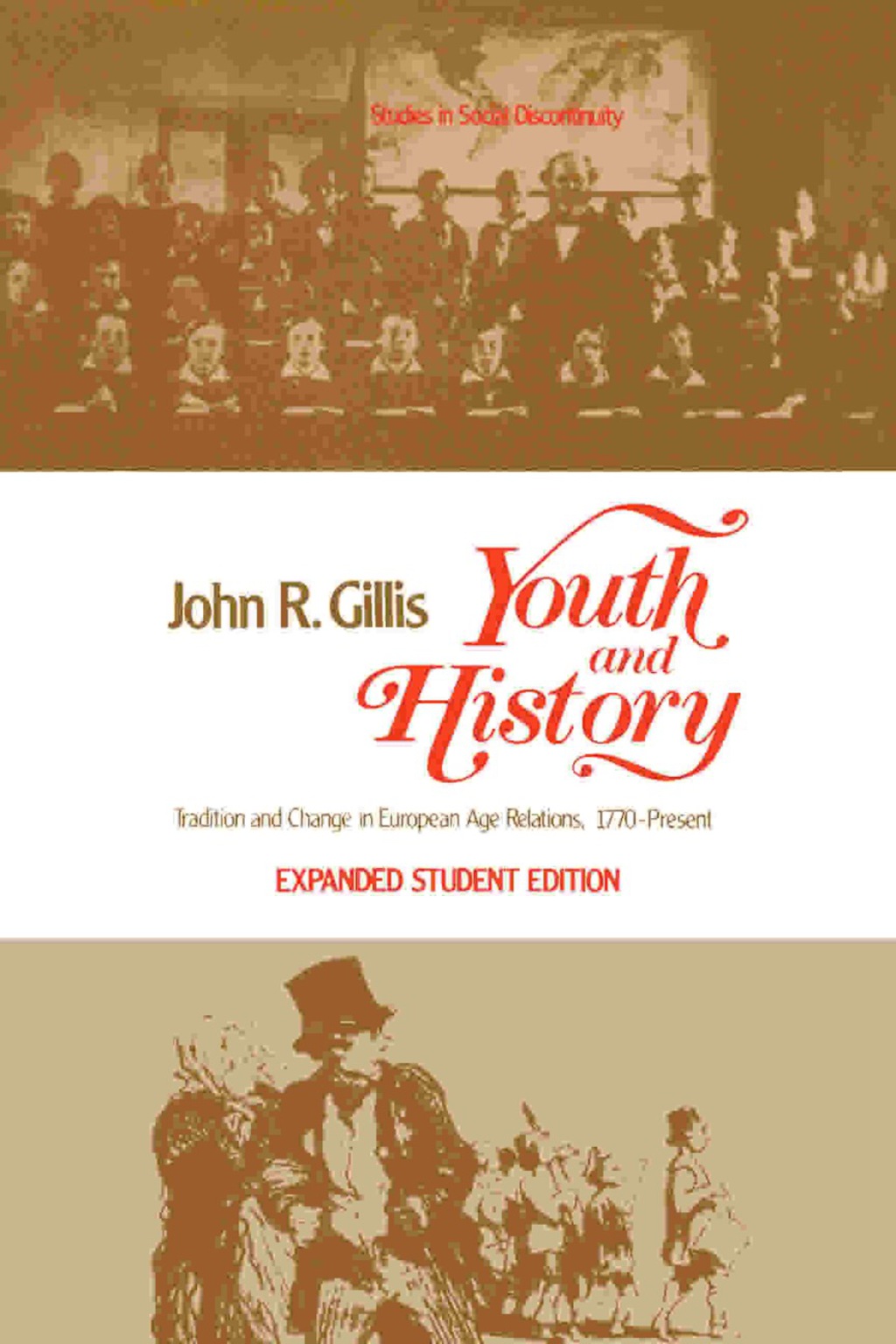

Youth and History Tradition and Change in European Age Relations, 1770–Present – PDF/EPUB Version Downloadable
$49.99
Author(s): John R. Gillis
Publisher: Academic Press
ISBN: 9780127852645
Edition:
Youth and History: Tradition and Change in European Age Relations 1770 – Present, Expanded Student Edition deals with the patterns of behavior and styles that characterizes the youth in a particular period of time. Chapters in the book discuss such topics as the description of youth in preindustrial Europe; the emergence of separate working class and middle class traditions of youth and the conflict between these traditions, as it was institutionalized in the academic and extracurricular cultures of the early twentieth century; and the youth tradition in the volatile 1950s and 1960s. Psychologists, sociologists, and historians will find the book insightful.
-1st-edition-%E2%80%93-pdfepub-version-downloadable-8741-yaq5g.jpg)