
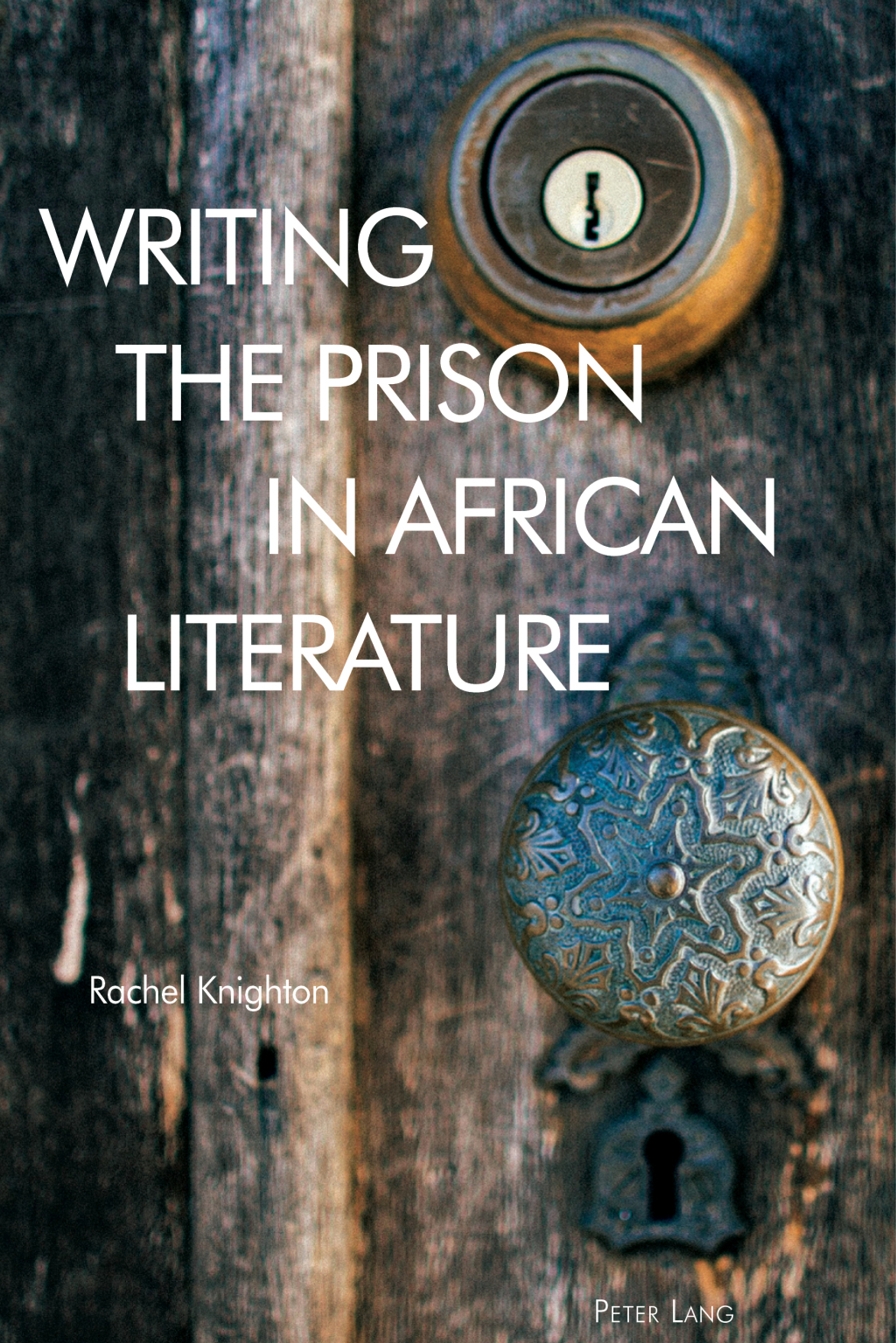
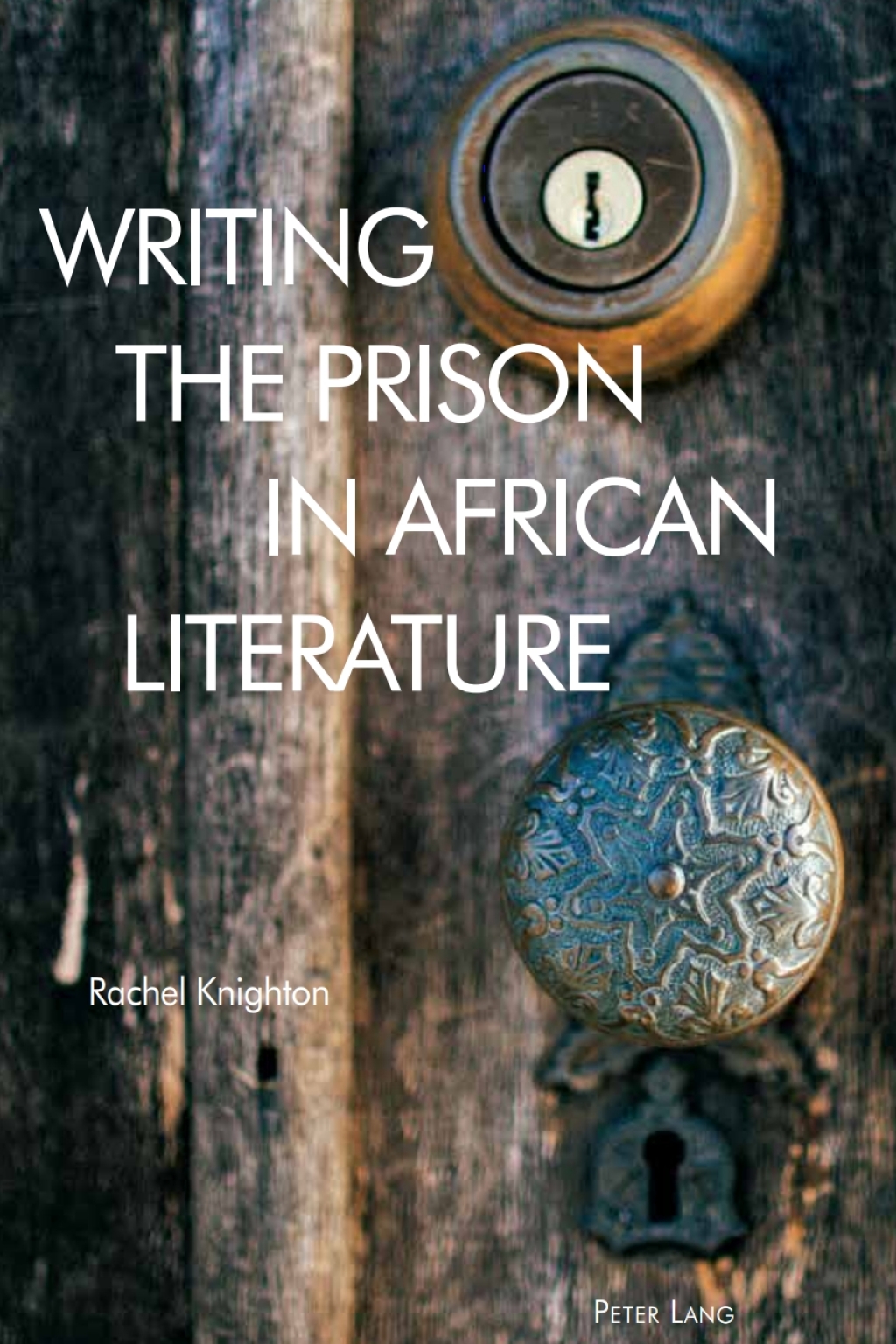
Writing the Prison in African Literature 1st Edition – PDF/EPUB Version Downloadable
$49.99
Author(s): Rachel Knighton
Publisher: Peter Lang Ltd, International Academic Publishers
ISBN: 9781788746472
Edition: 1st Edition
This book examines a selection of prison memoirs by five renowned African writers: Ngugi wa Thiong’o, Ruth First, Wole Soyinka, Nawal El Saadawi and Jack Mapanje. Detained across the continent from the 1960s onward due to their writing and political engagement, each writer’s memoir forms a crucial yet often overlooked part of their wider literary work. The author analyses the varied and unique narrative strategies used to portray the prison, formulating a theory of prison memoir as genre that reads the texts alongside postcolonial, trauma, life-writing and prison theory. The book also illustrates the importance of these memoirs in the telling of their historical moment, from apartheid South Africa to post-independence Kenya, Nigeria, Egypt and Malawi.
Related products
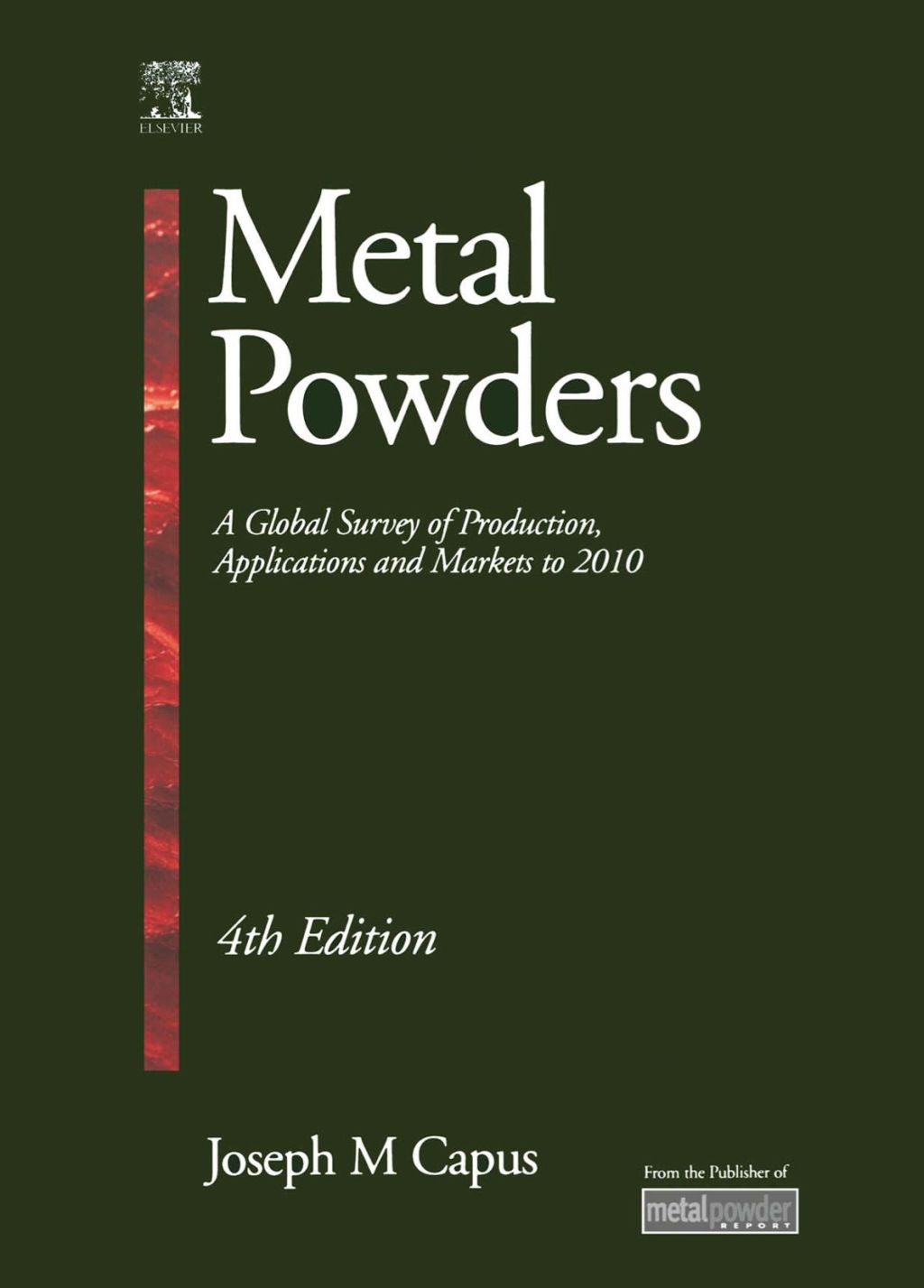
Writing the Prison in African Literature 1st Edition – PDF/EPUB Version Downloadable
$49.99
Author(s): Rachel Knighton
Publisher: Peter Lang Ltd, International Academic Publishers
ISBN: 9781788746472
Edition: 1st Edition
This book examines a selection of prison memoirs by five renowned African writers: Ngugi wa Thiong’o, Ruth First, Wole Soyinka, Nawal El Saadawi and Jack Mapanje. Detained across the continent from the 1960s onward due to their writing and political engagement, each writer’s memoir forms a crucial yet often overlooked part of their wider literary work. The author analyses the varied and unique narrative strategies used to portray the prison, formulating a theory of prison memoir as genre that reads the texts alongside postcolonial, trauma, life-writing and prison theory. The book also illustrates the importance of these memoirs in the telling of their historical moment, from apartheid South Africa to post-independence Kenya, Nigeria, Egypt and Malawi.