
Working Women in American Literature, 1865–1950 1st Edition – PDF/EPUB Version Downloadable
$49.99
Author(s): Miriam S. Gogol
Publisher: Lexington Books
ISBN: 9781498546782
Edition: 1st Edition
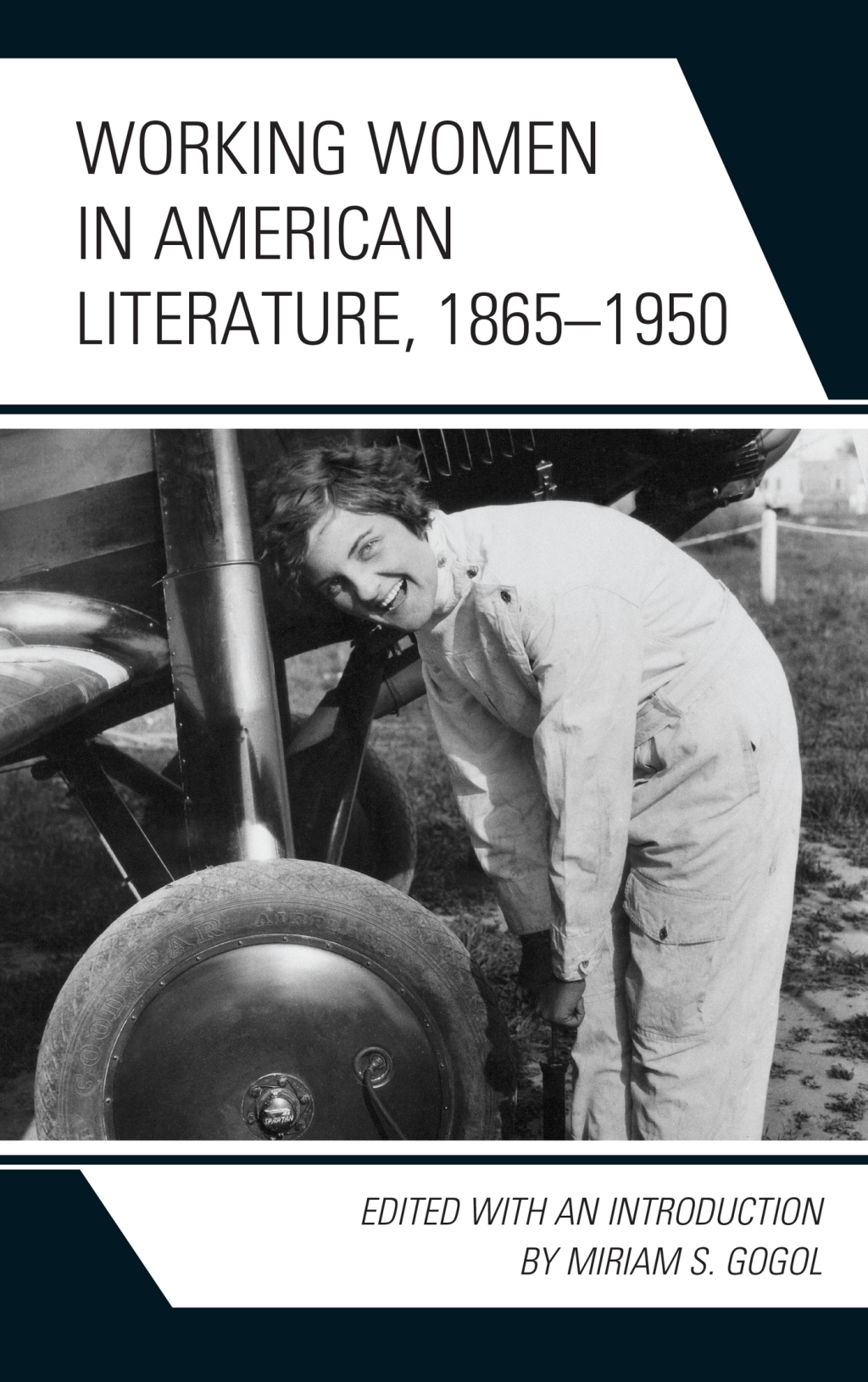
Working Women in American Literature, 1865–1950 consists of eight original essays by literary, historical, and multicultural critics on the subject of working women in late-nineteenth- to mid-twentieth-century American literature. The volume examines how the American working woman has been presented, misrepresented, and underrepresented in American realistic and naturalistic literature (1865–1930), and by later authors influenced by realism and naturalism. Points explored include: the historical vocational realities of working women (e.g., factory workers, seamstresses, maids, teachers, writers, prostitutes, etc.); the distortions in literary representations of female work; the ways in which these representations still inform the lives of working women today; and new perspectives from queer theory, immigrant studies, and race and class analyses. These essays draw on current feminist thought while remaining mindful of the historicity of the context. The essayists discuss important women writers of the period (for instance, Ellen Glasgow, Charlotte Perkins Gilman, Rachel Crothers, Willa Cather, and the understudied Ann Petry), as well as canonical writers like Theodore Dreiser, Henry James, and William Dean Howells. The discussions touch on a variety of literary and artistic genres: novels, short stories, other forms of fiction, biographies, dramas, and films. In the introductory essay and throughout the collection, the term “working women in the United States†is deconstructed; the historical and cultural definitions of “work,†and the words “work in America†are redefined through the lens of genders.
-1st-edition-%E2%80%93-pdfepub-version-downloadable-4292-c4gaw.jpg)