
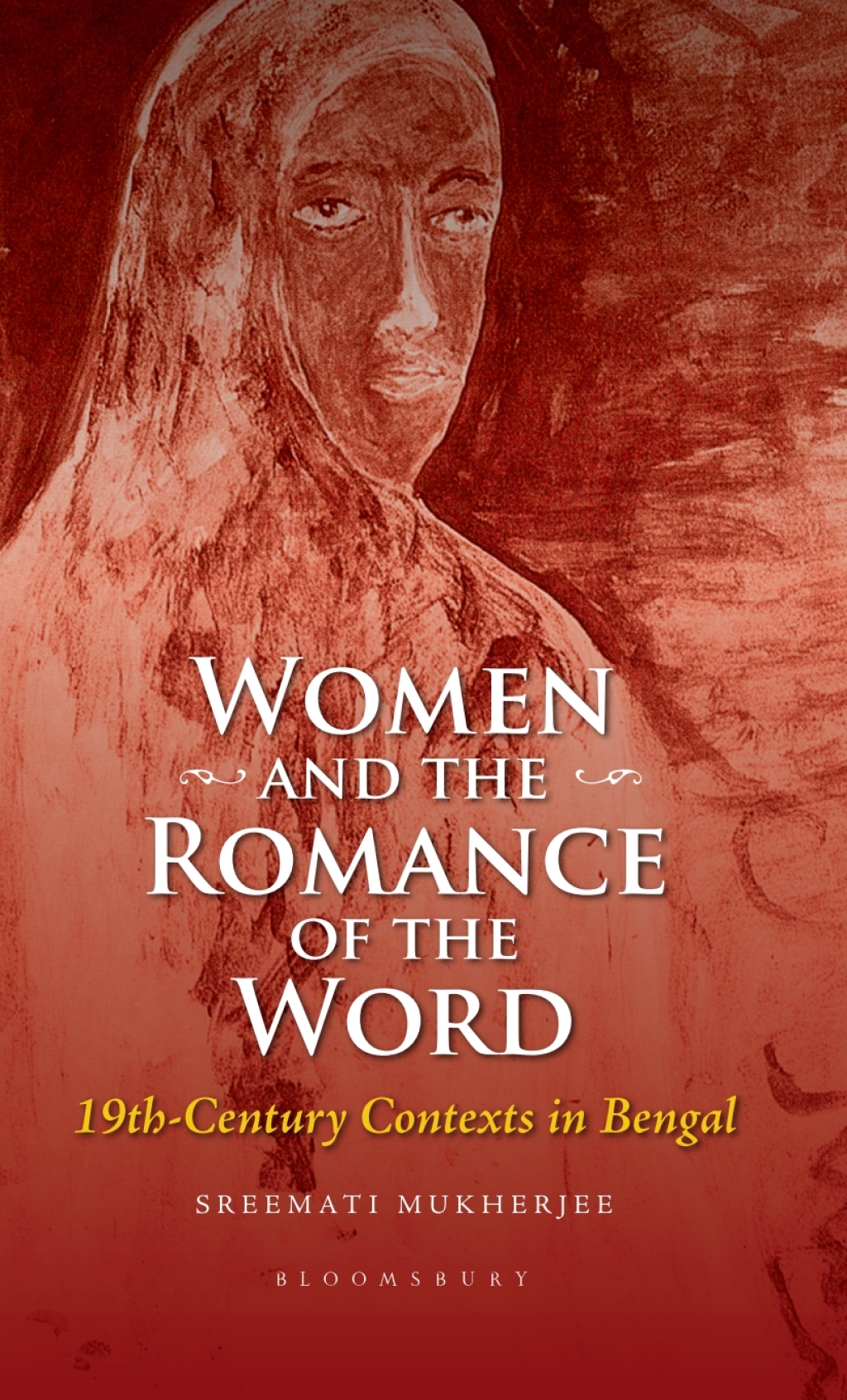

Women and the Romance of the Word 19th Century Contexts in Bengal 1st Edition – PDF/EPUB Version Downloadable
$49.99
Author(s): Sreemati Mukherjee
Publisher: Bloomsbury India
ISBN: 9789356406032
Edition: 1st Edition
Around the middle of the 19th century, woman emerges as a new sign disrupting the cultural economy of Bengal and reversing and realigning conventional notions and expectations of woman’s agency and power. The colonial interface would have been important because a need for women’s overall development was felt amongst the male intelligentsia of the period and some of the key texts that circulated at the beginning of the 19th century were Mary Wollstonecraft’s Vindication of the Rights of Woman (1792), Thomas Paine’s Rights of Man (1791), James Mill’s History of British India (1817), Richard Carlile’s Every Woman’s Book (1826) and William Thompson’s Appeal of One Half the Human Race, Women, against the Pretensions of the Other Half, Men (1825). The inaugural moment of this outstanding efflorescence of women’s writing in polemics, travel writing, autobiography and journal articles could be said to begin with Kailashbasini Devi’s Hindu Mahilaganer Heenabastha (The Woeful Plight of Hindu Women, 1863), in autobiographies like Rassundari Devi’s Amar Jiban (My Life, 1876) and Binodini Dasi’s Amar Katha (My Words, 1913) and in personalised travelogues like Krishnabhabini Das’s Englande Banga Mahila (A Bengali Woman in England, 1885). As Kailashbasini, Rassundari, Krishnabhabini and Binodini write, the romance of the word, the romance of learning and self-realisation is enacted. A new dramatic script emerges as Bengali women become the scriptwriters of their own histories.
-1st-edition-%E2%80%93-pdfepub-version-downloadable-4292-c4gaw.jpg)