

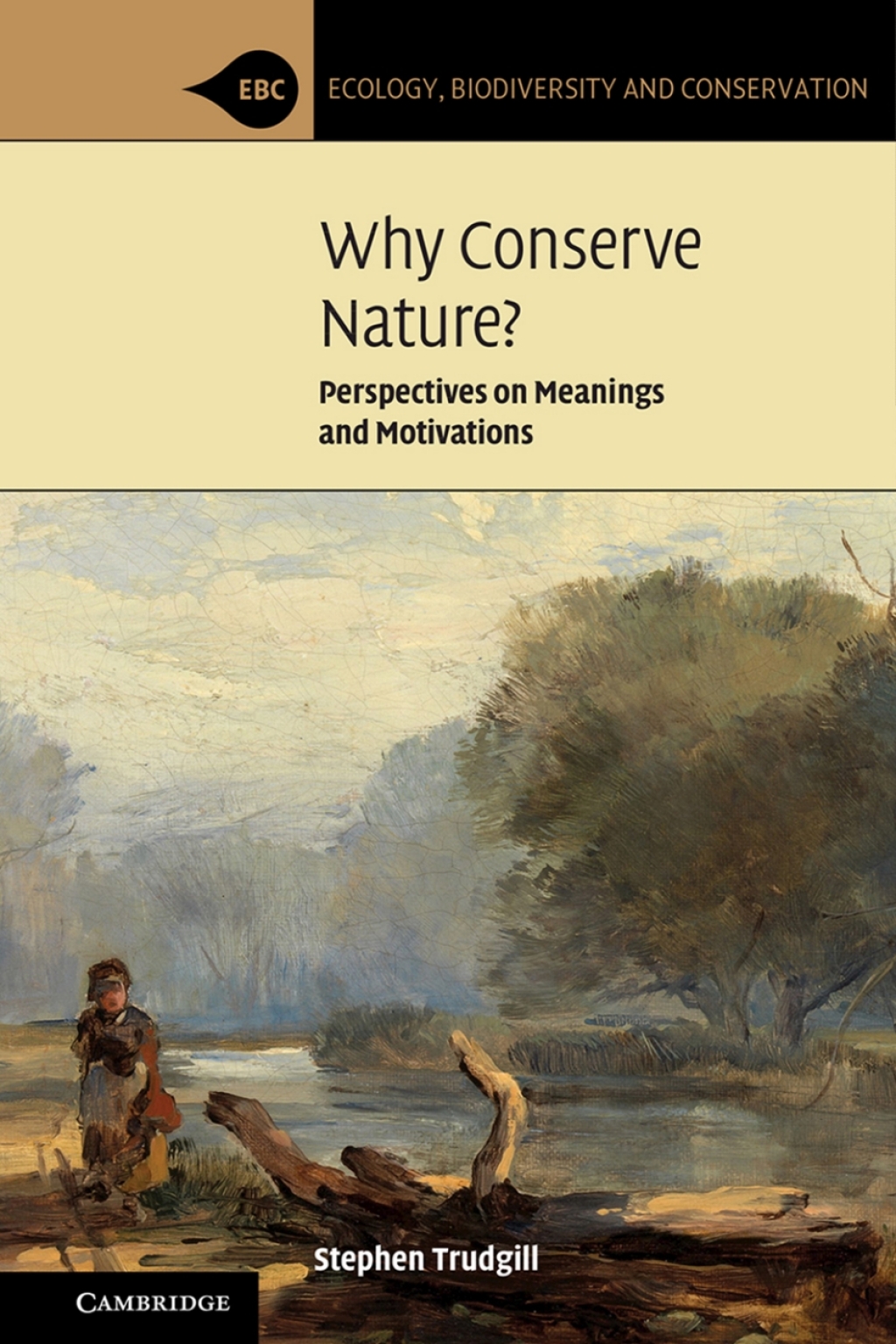

Why Conserve Nature? Perspectives on Meanings and Motivations – PDF/EPUB Version Downloadable
$49.99
Author(s): Stephen Trudgill
Publisher: Cambridge University Press
ISBN: 9781108832526
Edition:
How we view nature transforms the world around us. People rehearse stories about nature which make sense to them. If we ask the question ‘why conserve nature?’, and the answers are based on myths, then are these good myths to have? Scientific knowledge about the environment is fundamental to ideas about how nature works. It is essential to the conservation endeavour. However, any conservation motivation is nested within a society’s meanings of nature and the way society values it. Given the therapeutic and psychological significance of nature for us and our culture, this book considers the meanings derived from the poetic and emotional attachment to a sense of place, which is arguably just as important as scientific evidence. The functional significance of species is important, but so too is the therapeutic value of nature, together with the historic and spiritual meanings entwined in a human feeling for landscape and wildlife.
Related products







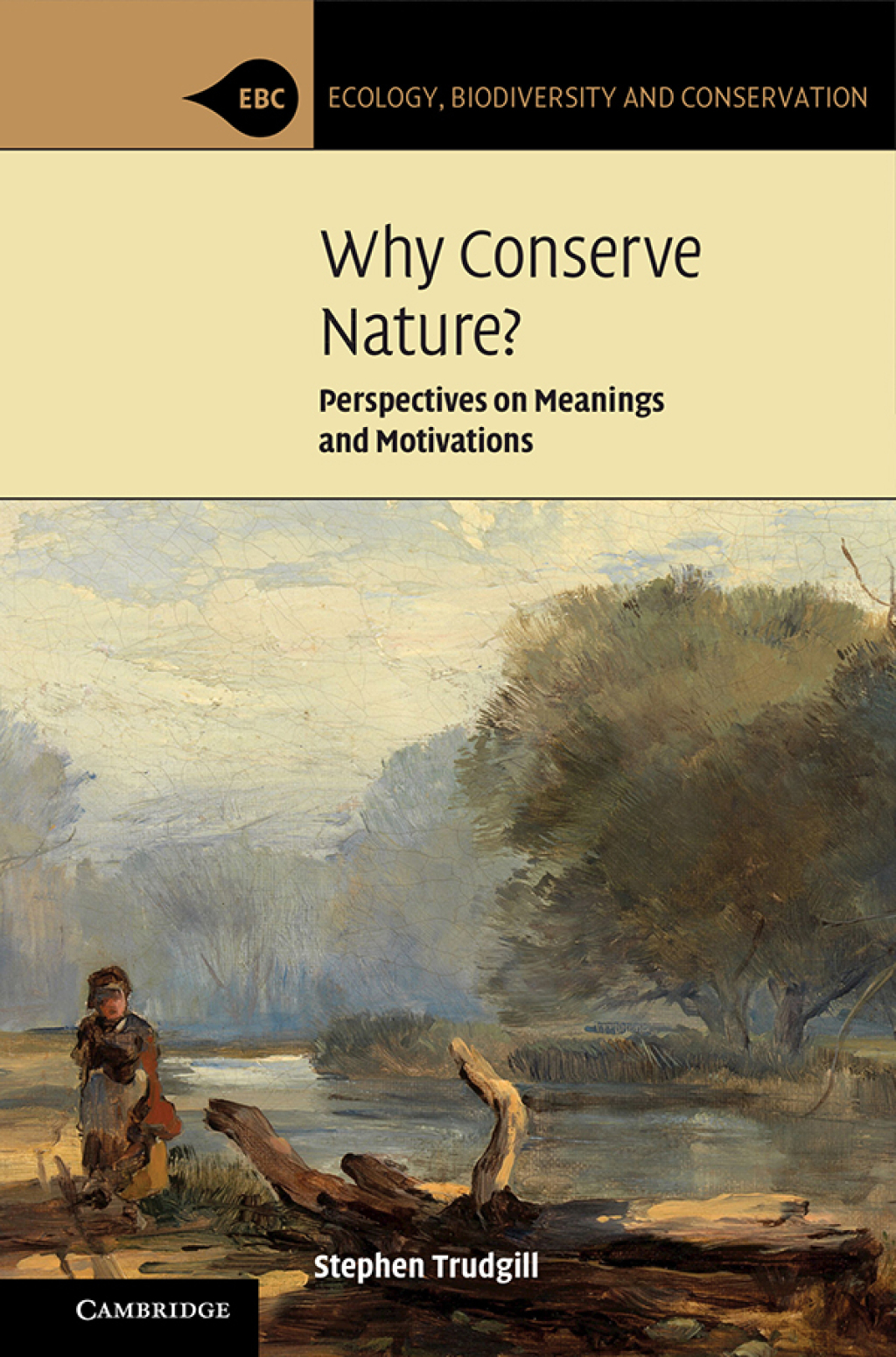

Why Conserve Nature? Perspectives on Meanings and Motivations – PDF/EPUB Version Downloadable
$49.99
Author(s): Stephen Trudgill
Publisher: Cambridge University Press
ISBN: 9781108832526
Edition:
How we view nature transforms the world around us. People rehearse stories about nature which make sense to them. If we ask the question ‘why conserve nature?’, and the answers are based on myths, then are these good myths to have? Scientific knowledge about the environment is fundamental to ideas about how nature works. It is essential to the conservation endeavour. However, any conservation motivation is nested within a society’s meanings of nature and the way society values it. Given the therapeutic and psychological significance of nature for us and our culture, this book considers the meanings derived from the poetic and emotional attachment to a sense of place, which is arguably just as important as scientific evidence. The functional significance of species is important, but so too is the therapeutic value of nature, together with the historic and spiritual meanings entwined in a human feeling for landscape and wildlife.