
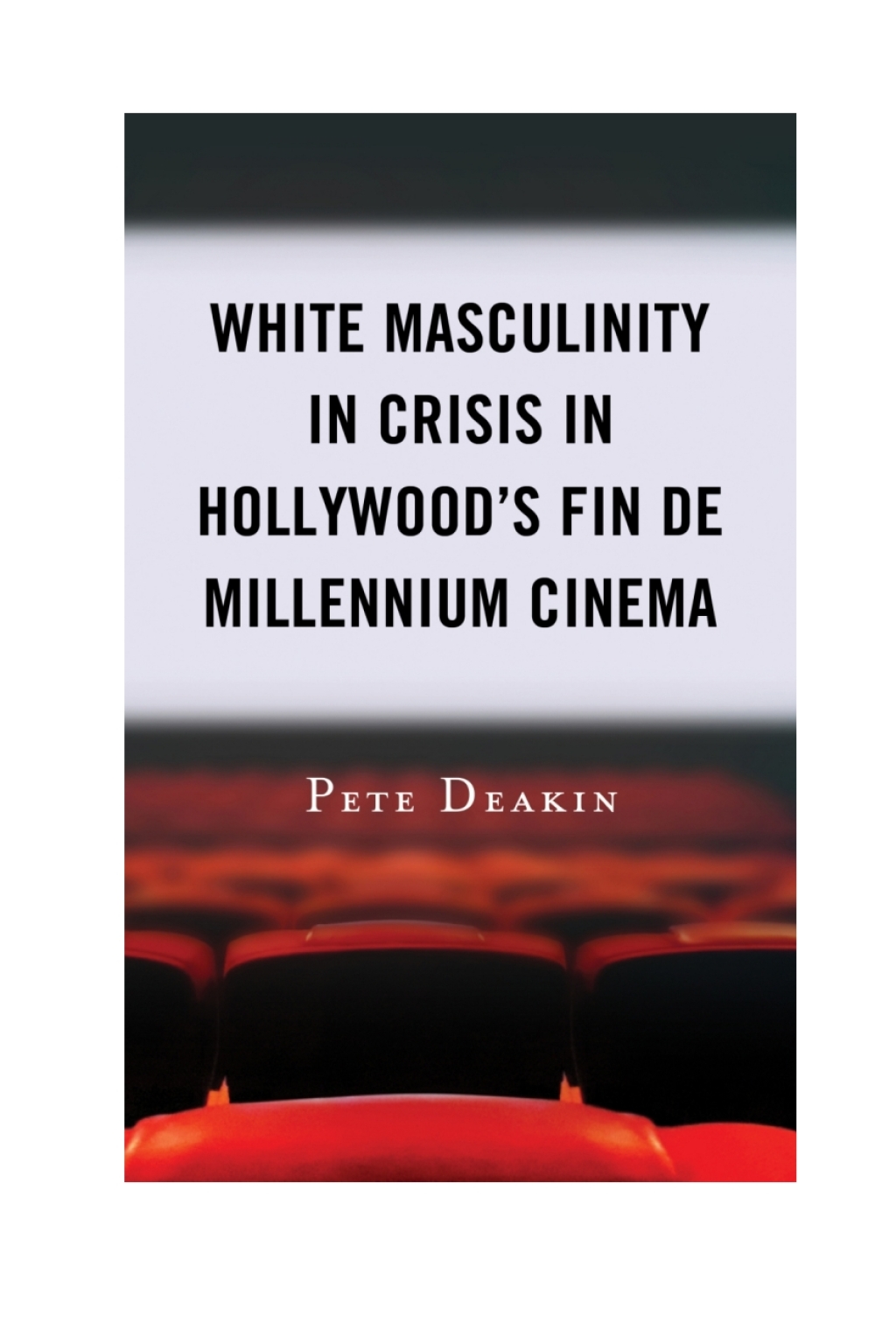

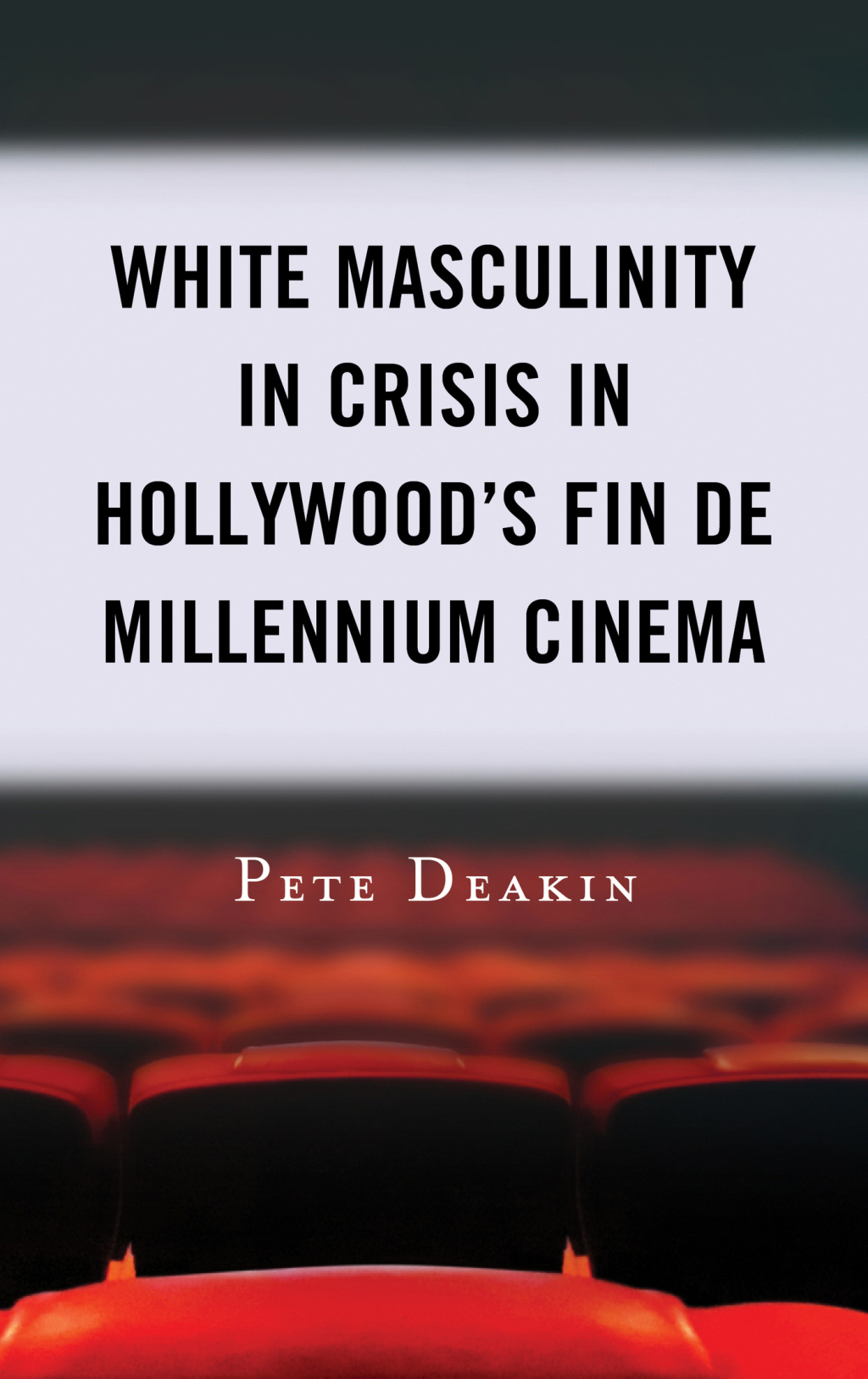
White Masculinity in Crisis in Hollywood’s Fin de Millennium Cinema 1st Edition – PDF/EPUB Version Downloadable
$49.99
Author(s): Pete Deakin
Publisher: Lexington Books
ISBN: 9781498585217
Edition: 1st Edition
White Masculinity in Crisis in Hollywood’s Fin de Millennium Cinema claims that Hollywood cinema had a significant relationship with the millennial crisis of masculinity. From Fight Club (Fincher, 1999) and American Psycho (Harron, 2000), to Office Space (Judge, 1999), The Matrix (Wachowski’s, 1999) and American Beauty (Mendes, 1999), Pete Deakin attests that alongside the emergent “crisis†came a definitive body of some twenty-five Hollywood “crisis†titles; each film with a representational concern for the apparent “masculine malaiseâ€. Asking whether Hollywood helped create, propel or sooth the very notion of the crisis-of-masculinity at this time, Deakin engages with some important cultural questions: how discursive—or even authentic—was it, and more vitally, whose actual crisis was this? To this end, scholars of film studies, media studies, gender studies, history, and sociology will find this book particularly useful.
Related products





White Masculinity in Crisis in Hollywood’s Fin de Millennium Cinema 1st Edition – PDF/EPUB Version Downloadable
$49.99
Author(s): Pete Deakin
Publisher: Lexington Books
ISBN: 9781498585194
Edition: 1st Edition
White Masculinity in Crisis in Hollywood’s Fin de Millennium Cinema claims that Hollywood cinema had a significant relationship with the millennial crisis of masculinity. From Fight Club (Fincher, 1999) and American Psycho (Harron, 2000), to Office Space (Judge, 1999), The Matrix (Wachowski’s, 1999) and American Beauty (Mendes, 1999), Pete Deakin attests that alongside the emergent “crisis†came a definitive body of some twenty-five Hollywood “crisis†titles; each film with a representational concern for the apparent “masculine malaiseâ€. Asking whether Hollywood helped create, propel or sooth the very notion of the crisis-of-masculinity at this time, Deakin engages with some important cultural questions: how discursive—or even authentic—was it, and more vitally, whose actual crisis was this? To this end, scholars of film studies, media studies, gender studies, history, and sociology will find this book particularly useful.