
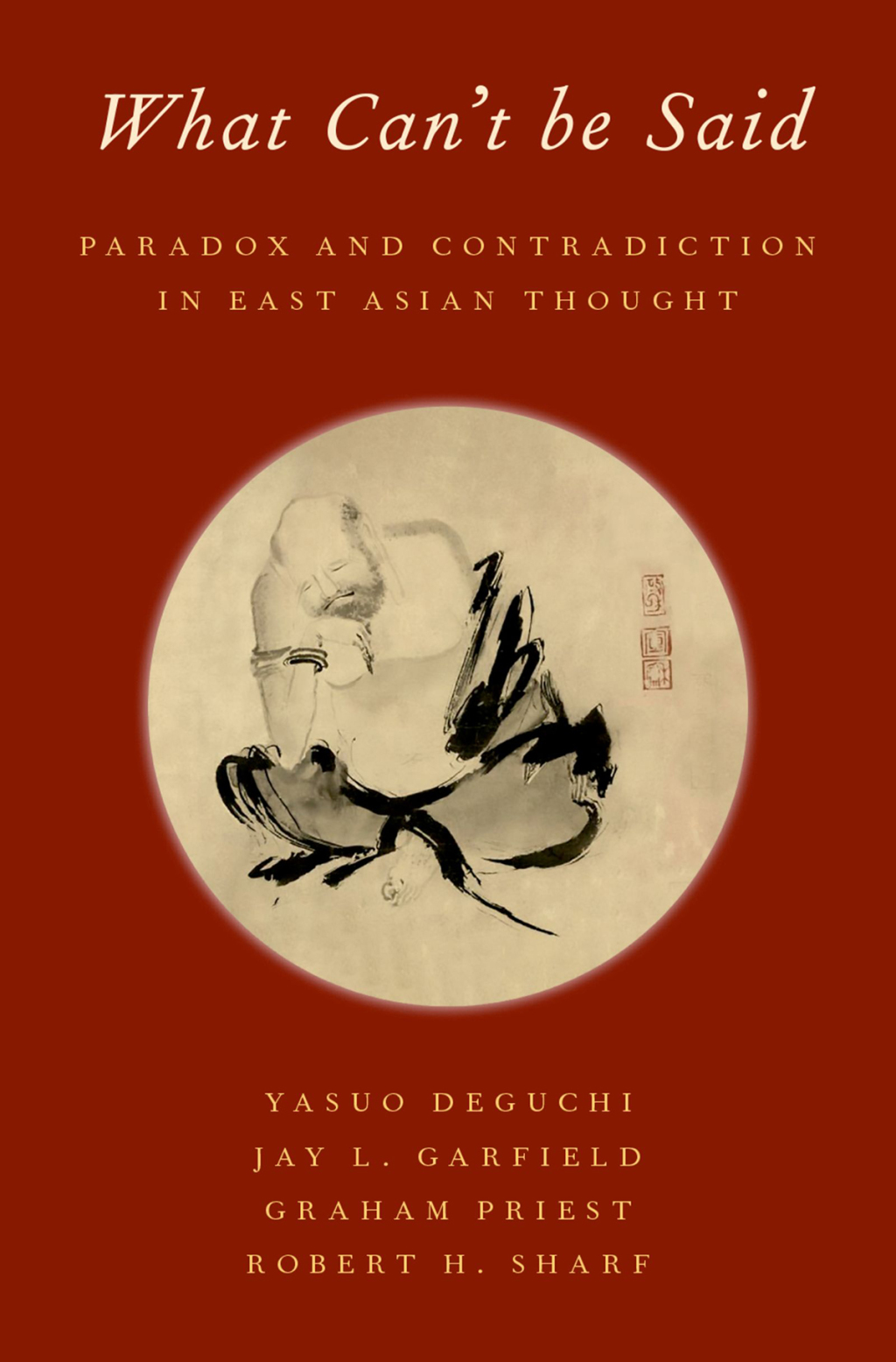
What Can’t be Said Paradox and Contradiction in East Asian Thought – PDF/EPUB Version Downloadable
$49.99
Author(s): Yasuo Deguchi; Jay L. Garfield; Graham Priest; Robert H. Sharf
Publisher: Oxford University Press
ISBN: 9780197526187
Edition:
Typically, in the Western philosophical tradition, the presence of paradox and contradictions is taken to signal the failure or refutation of a theory or line of thinking. This aversion to paradox rests on the commitment-whether implicit or explicit-to the view that reality must be consistent. In What Can’t be Said, Yasuo Deguchi, Jay L. Garfield, Graham Priest, and Robert H. Sharf extend their earlier arguments that the discovery of paradox and contradiction can deepen rather than disprove a philosophical position, and confirm these ideas in the context of East Asian philosophy. They claim that, unlike most Western philosophers, many East Asian philosophers embraced paradox, and provide textual evidence for this claim. Examining two classical Daoist texts, the Daodejing and the Zhaungzi, as well as the trajectory of Buddhism in East Asia, including works from the Sanlun, Tiantai, Chan, and Zen traditions and culminating with the Kyoto school of philosophy, they argue that these philosophers’ commitment to paradox reflects an understanding of reality as inherently paradoxical, revealing significant philosophical insights.