
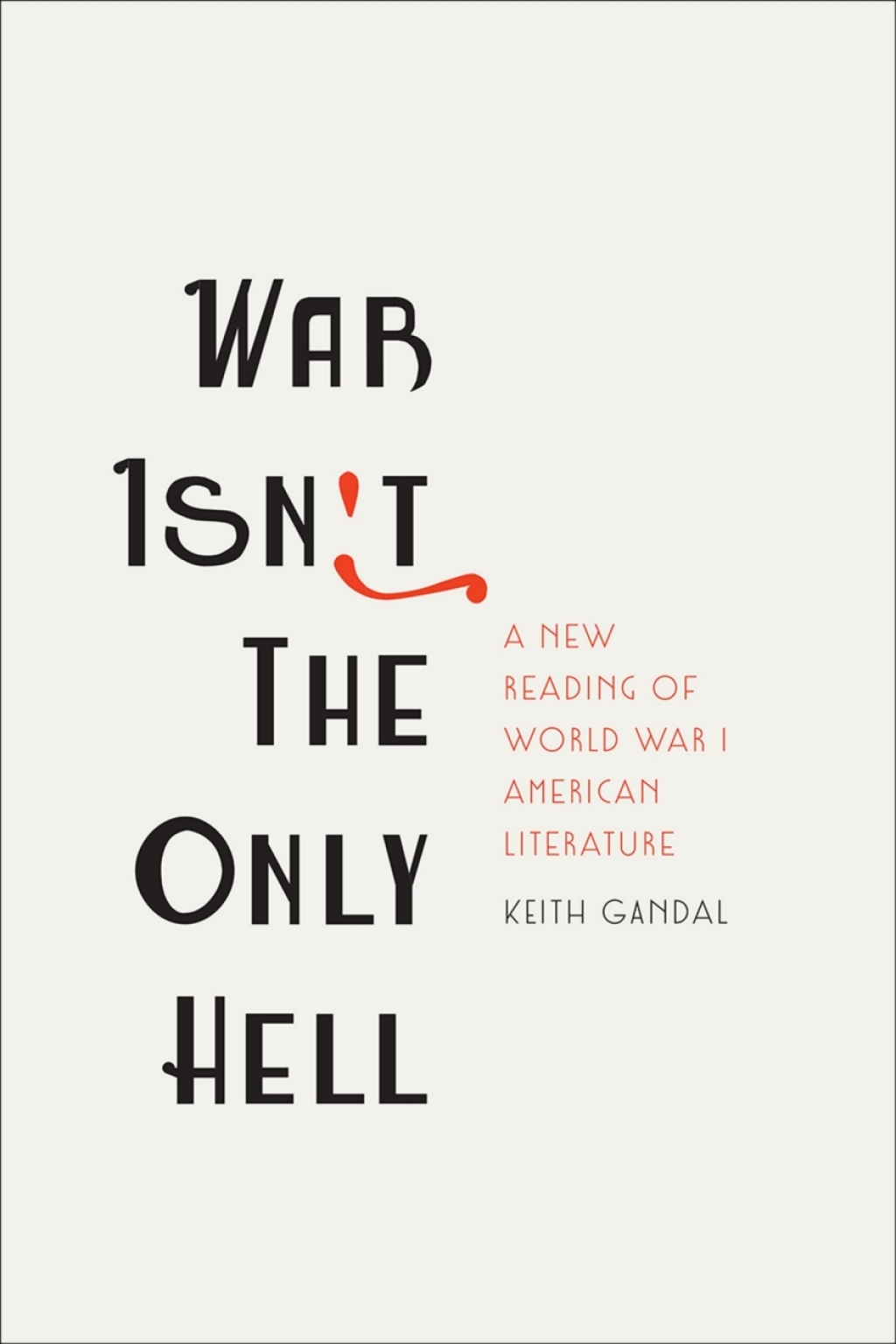

War Isn’t the Only Hell A New Reading of World War I American Literature – PDF/EPUB Version Downloadable
$49.99
Author(s): Keith Gandal
Publisher: JHUP
ISBN: 9781421425108
Edition:
American World War I literature has long been interpreted as an alienated outcry against modern warfare and government propaganda. This prevailing reading ignores the US army’s unprecedented attempt during World War I to assign menâ€â€except, notoriously, African Americansâ€â€to positions and ranks based on merit. And it misses the fact that the culture granted masculinity only to combatants, while the noncombatant majority of doughboys experienced a different alienation: that of shame.
Drawing on military archives, current research by social-military historians, and his own readings of thirteen major writers, Keith Gandal seeks to put American literature written after the Great War in its proper contextâ€â€as a response to the shocks of war and meritocracy. The supposedly antiwar texts of noncombatant Lost Generation authors Dos Passos, Hemingway, Fitzgerald, Cummings, and Faulkner addressedâ€â€often in coded waysâ€â€the noncombatant failure to measure up.
Gandal also examines combat-soldier writers William March, Thomas Boyd, Laurence Stallings, and Hervey Allen. Their works are considered straight-forward antiwar narratives, but they are in addition shaped by experiences of meritocratic recognition, especially meaningful for socially disadvantaged men. Gandal furthermore contextualizes the sole World War I novel by an African American veteran, Victor Daly, revealing a complex experience of both army discrimination and empowerment among the French. Finally, Gandal explores three women writersâ€â€Katherine Anne Porter, Willa Cather, and Ellen La Motteâ€â€who saw the war create frontline opportunities for women while allowing them to be arbiters of masculinity at home. Ultimately, War Isn’t the Only Hell shows how American World War I literature registered the profound ways in which new military practices and a foreign war unsettled traditional American hierarchies of class, ethnicity, gender, and even race.