
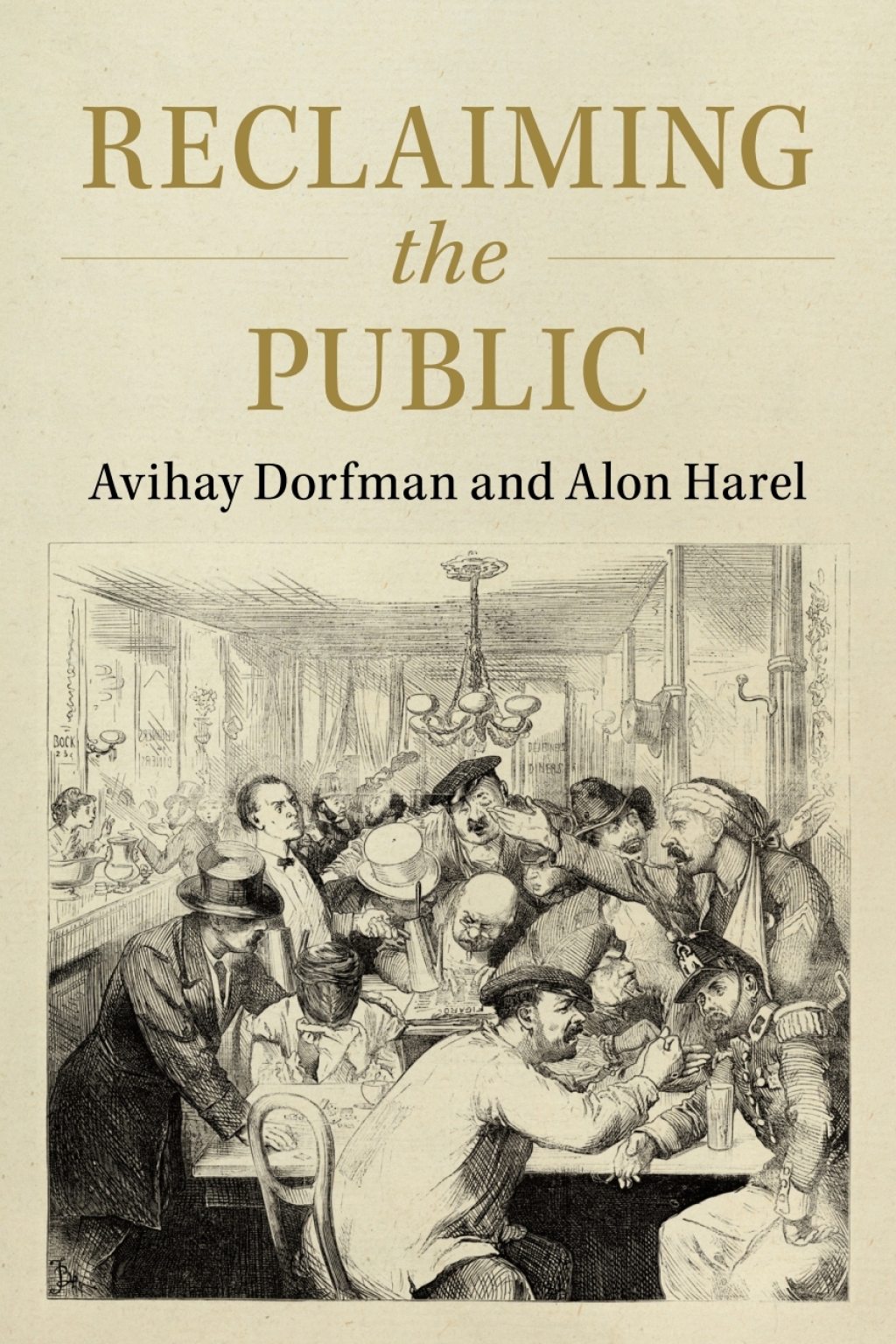


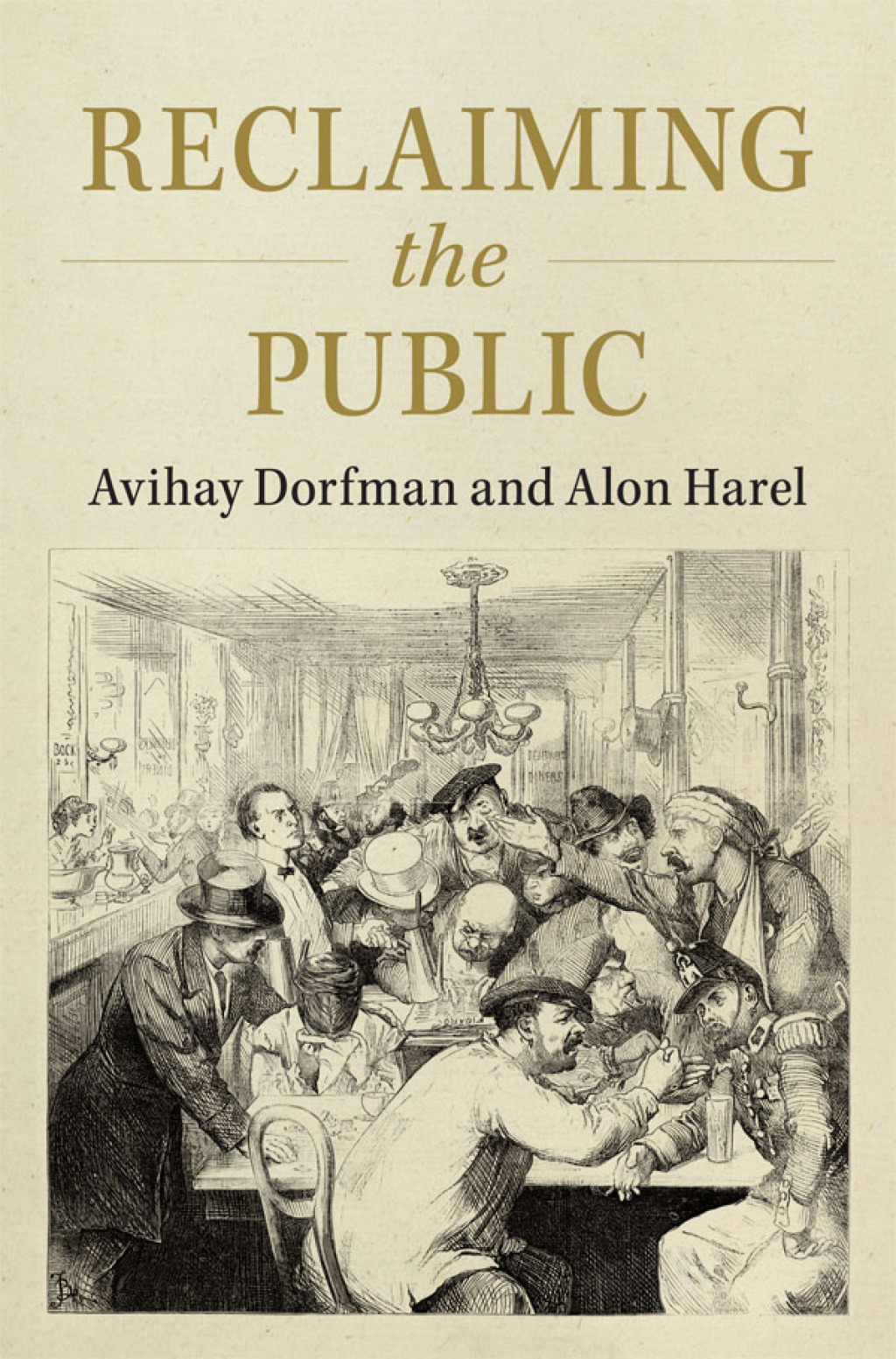
Reclaiming the Public – PDF/EPUB Version Downloadable
$49.99
Author(s): Avihay Dorfman; Alon Harel
Publisher: Cambridge University Press
ISBN: 9781009327169
Edition:
Reclaiming the Public defines and defends the intrinsic value of “the public†that resides in our public institutions and the officials that run them. The book argues that public institutions do not simply act for us but instead speak and act in our name; i.e., they represent us. Representation requires that decisions made by public institutions or officials are consistent with the perspectives of citizens. If the decisions satisfy this requirement, these decisions are attributable to citizens, and citizens can be held responsible for them. This theory of political authority accounts for major features of our legal system, such as the non-instrumental grounds for the separation of law-making powers, the non-instrumental value of constitutions, the limits of privatization, the nature and value of public property, and the impermissibility of using artificial intelligence in setting certain policies and making certain decisions.
Related products
-1st-edition-%E2%80%93-pdfepub-version-downloadable-4292-c4gaw.jpg)




Reclaiming the Public – PDF/EPUB Version Downloadable
$49.99
Author(s): Avihay Dorfman; Alon Harel
Publisher: Cambridge University Press
ISBN: 9781009327169
Edition:
Reclaiming the Public defines and defends the intrinsic value of “the public†that resides in our public institutions and the officials that run them. The book argues that public institutions do not simply act for us but instead speak and act in our name; i.e., they represent us. Representation requires that decisions made by public institutions or officials are consistent with the perspectives of citizens. If the decisions satisfy this requirement, these decisions are attributable to citizens, and citizens can be held responsible for them. This theory of political authority accounts for major features of our legal system, such as the non-instrumental grounds for the separation of law-making powers, the non-instrumental value of constitutions, the limits of privatization, the nature and value of public property, and the impermissibility of using artificial intelligence in setting certain policies and making certain decisions.