
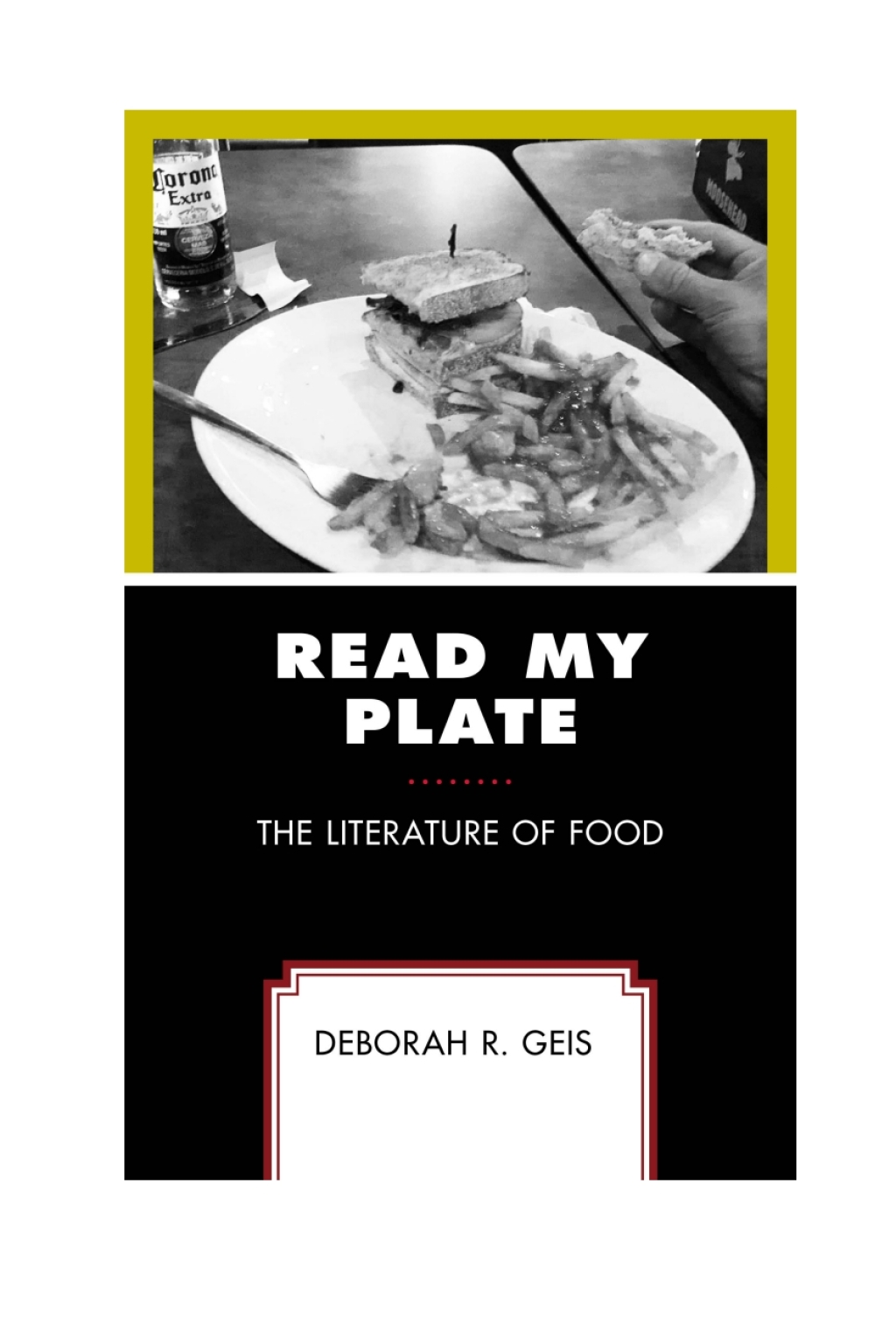
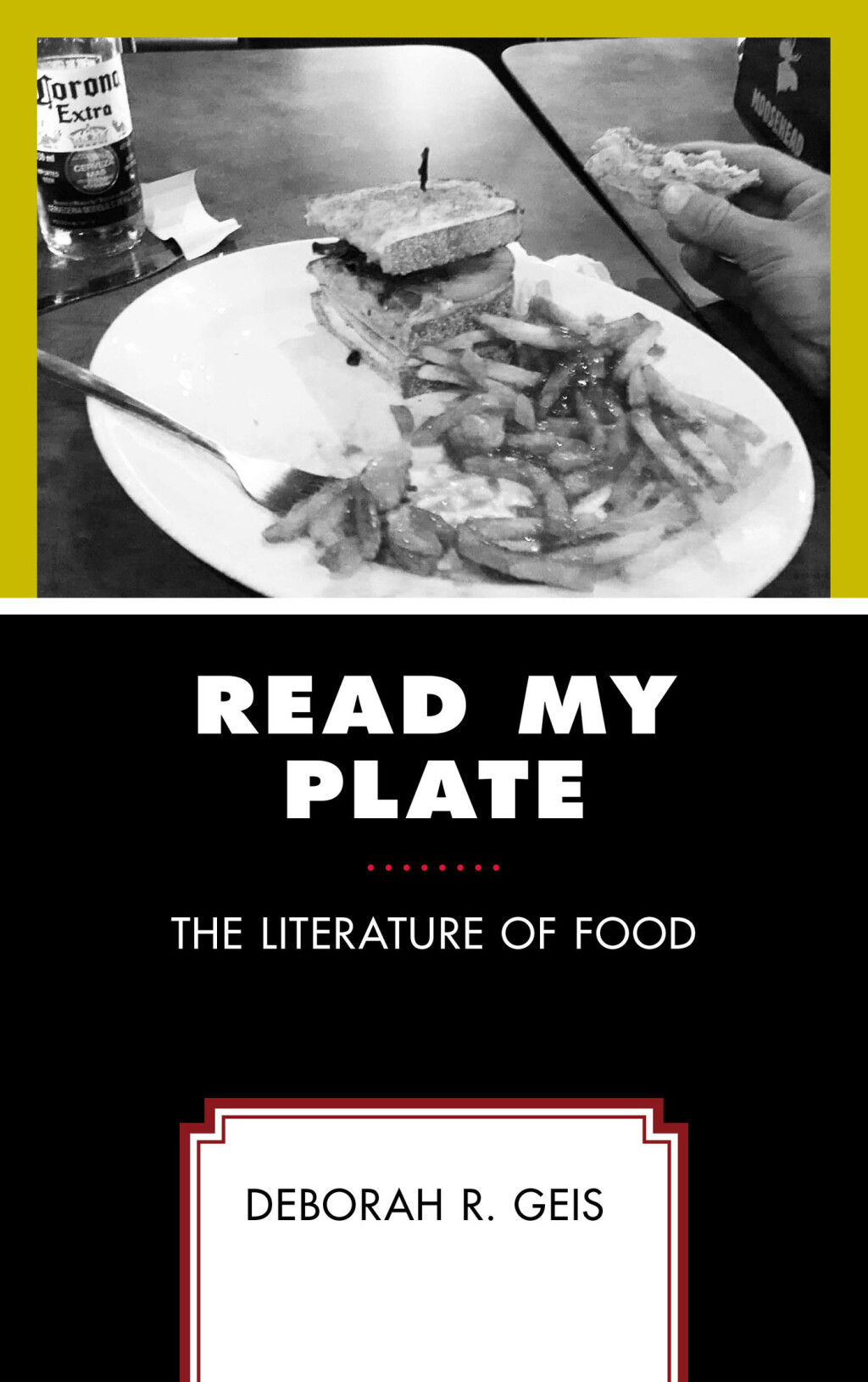
Read My Plate The Literature of Food 1st Edition – PDF/EPUB Version Downloadable
$49.99
Author(s): Deborah R. Geis
Publisher: Lexington Books
ISBN: 9781498574457
Edition: 1st Edition
Whether perusing a recipe or learning what a literary character eats, readers approach a text differently when reading about food. Read My Plate: The Literature of Food explores what narrators and characters (in fiction, in performance, and in the popular genre of the “food memoirâ€) cook and eat. Beat poet Allen Ginsberg, the inmates of the Terezin concentration camp, performance artist Karen Finley, novelist Jhumpa Lahiri, playwright Suzan-Lori Parks, and the celebrated chef-turned-travel-journalist Anthony Bourdain are just a few examples of the writers whose works are discussed. Close readings of the literal and figurative “plates†in these texts allow a unique form of intimate access to the speakers’ feelings and memories and help readers to understand more about how the dynamics of race, ethnicity, gender, religion, and social class affect what the narrators/characters eat, from tourtière to collard greens to a school lunch bento box.
Related products






Read My Plate The Literature of Food 1st Edition – PDF/EPUB Version Downloadable
$49.99
Author(s): Deborah R. Geis
Publisher: Lexington Books
ISBN: 9781498574433
Edition: 1st Edition
Whether perusing a recipe or learning what a literary character eats, readers approach a text differently when reading about food. Read My Plate: The Literature of Food explores what narrators and characters (in fiction, in performance, and in the popular genre of the “food memoirâ€) cook and eat. Beat poet Allen Ginsberg, the inmates of the Terezin concentration camp, performance artist Karen Finley, novelist Jhumpa Lahiri, playwright Suzan-Lori Parks, and the celebrated chef-turned-travel-journalist Anthony Bourdain are just a few examples of the writers whose works are discussed. Close readings of the literal and figurative “plates†in these texts allow a unique form of intimate access to the speakers’ feelings and memories and help readers to understand more about how the dynamics of race, ethnicity, gender, religion, and social class affect what the narrators/characters eat, from tourtière to collard greens to a school lunch bento box.
-1st-edition-%E2%80%93-pdfepub-version-downloadable-8741-yaq5g.jpg)