

Razing Africville 1st Edition – PDF/EPUB Version Downloadable
$49.99
Author(s): Jennifer Nelson
Publisher: University of Toronto Press
ISBN: 9781442610286
Edition: 1st Edition
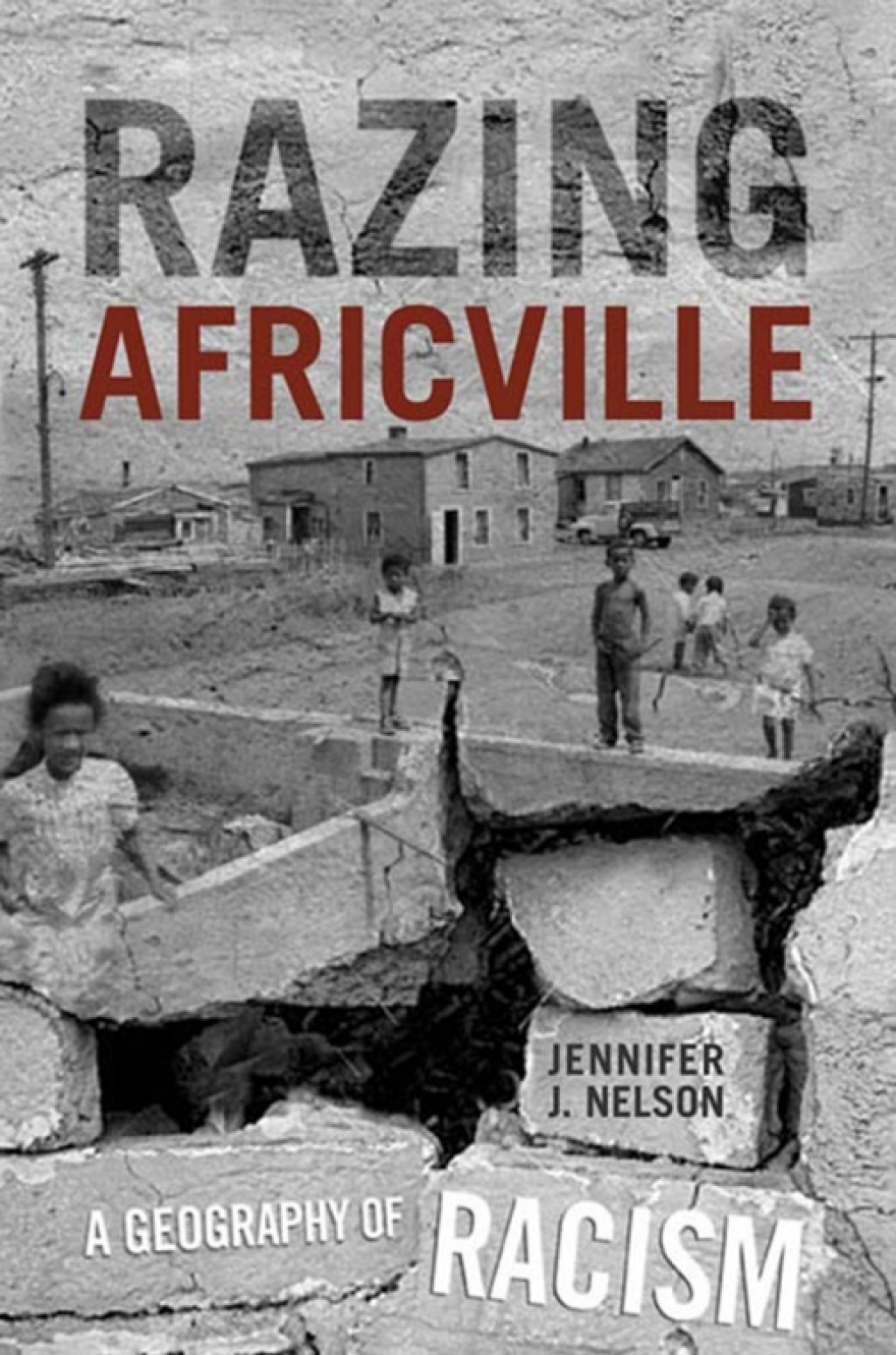
In the 1960s, the city of Halifax razed the black community of Africville under a program of urban renewal and ‘slum clearance.’ The city defended its actions by citing the deplorable living conditions in Africville, ignoring its own role in the creation of these conditions through years of neglect and the refusal of essential services. In the 1980s, the city created a park on Africville’s former site, which has been a place of protest and commemoration for black citizens since its opening. As yet, however, the city has not issued a formal apology to Africville residents and has paid no further compensation.
Razing Africville examines this history as the prolonged eviction of a community from its own space. By examining a variety of sources – urban planning texts, city council documents, news media, and academic accounts – Jennifer J. Nelson illustrates how Africville went from a slum to a problem to be solved and, more recently, to a public space in which past violence is rendered invisible. Reading historical texts as a critical map of decision-making, she argues that the ongoing measures taken to regulate black bodies and spaces amount to a ‘geography of racism.’ Through a geographic lens, therefore, she manages to analyse ways in which race requires space and how the control of space is a necessary component of delineating and controlling people.
A much needed re-examination of an important historical example, Razing Africville applies contemporary spatial theory to the situation in Africville and offers critical observations about the function of racism.