
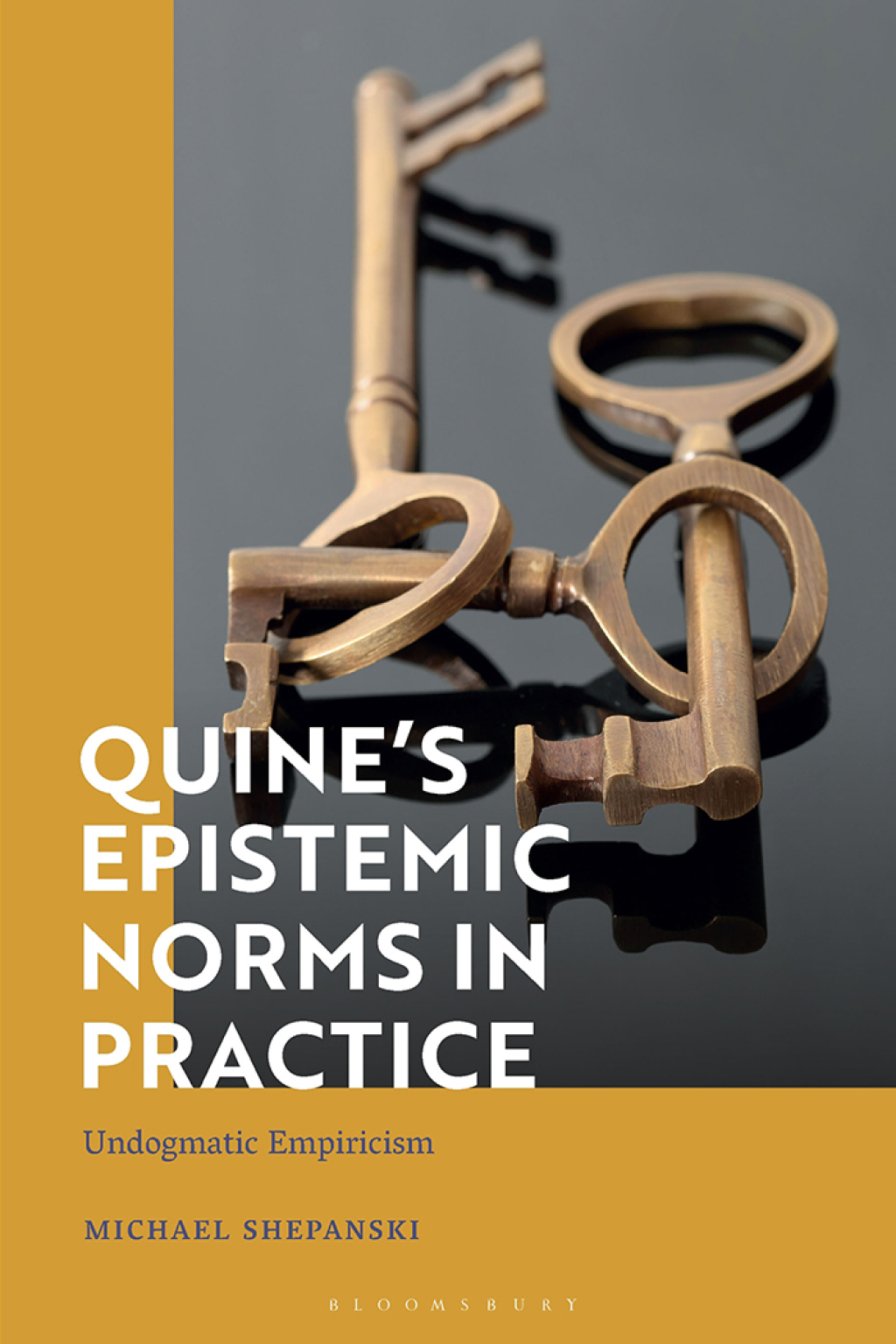

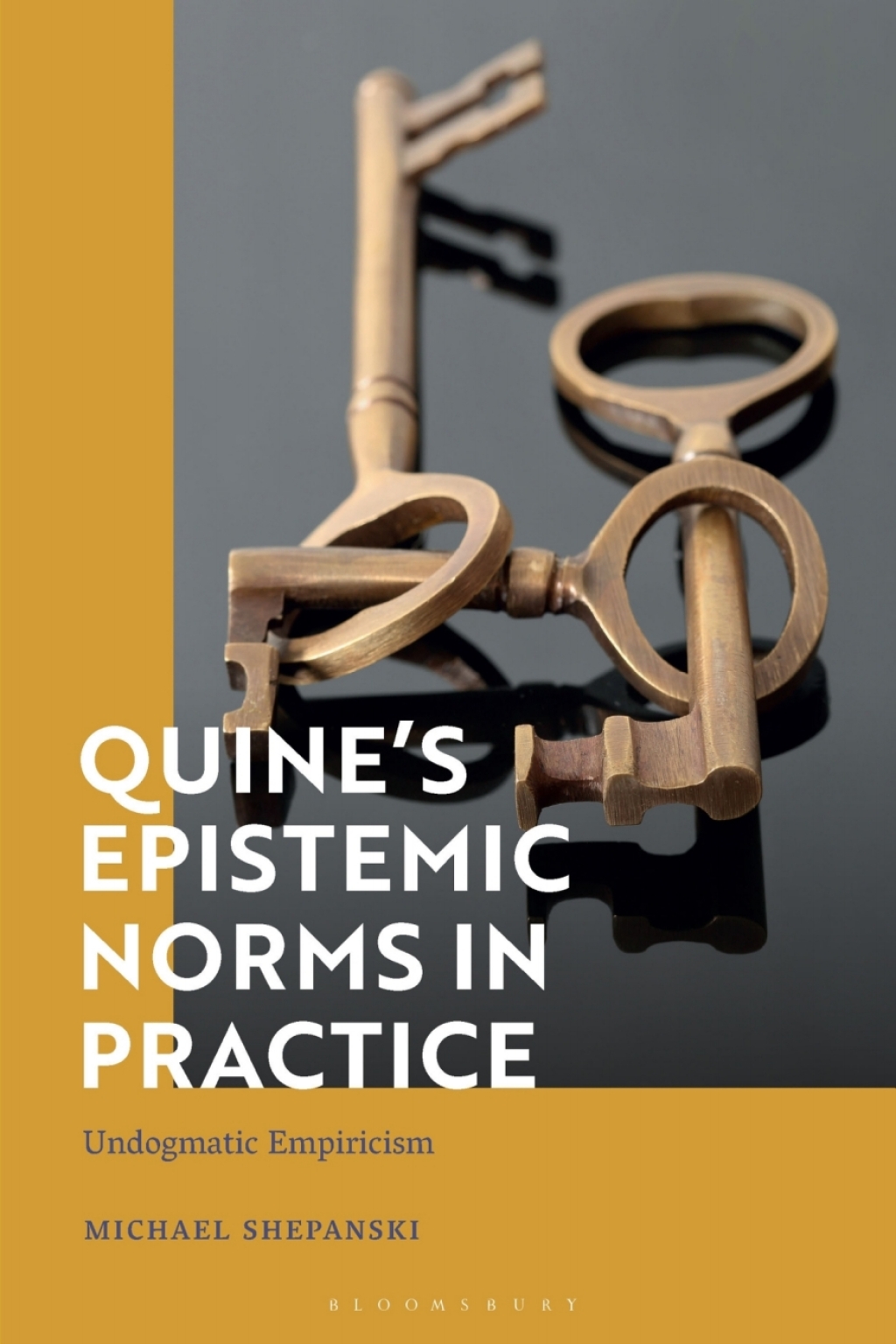
Quine’s Epistemic Norms in Practice Undogmatic Empiricism 1st Edition – PDF/EPUB Version Downloadable
$49.99
Author(s): Michael Shepanski
Publisher: Bloomsbury Academic
ISBN: 9781350304260
Edition: 1st Edition
In this illuminating guide to the criteria of rational theorizing, Michael Shepanski identifies, defends and applies W. V. Quine’s epistemic norms – the norms that best explain Quine’s decisions to accept some theories and not others. Parts I and II set out the doctrines of this epistemology, demonstrating their potential for philosophical application. Part III is a case study in which Shepanski develops a theory of the propositional attitudes by the method of formalizing inferences to behaviour. He presents critiques of popular alternative views, including foundationalism, the centrality of knowledge and Quine’s own epistemological naturalism. By reassessing Quine’s normative epistemology, Shepanski advances our understanding of Quine’s philosophy whilst providing a guide for our own theorizing.
Related products






Quine’s Epistemic Norms in Practice Undogmatic Empiricism 1st Edition – PDF/EPUB Version Downloadable
$49.99
Author(s): Michael Shepanski
Publisher: Bloomsbury Academic
ISBN: 9781350304260
Edition: 1st Edition
In this illuminating guide to the criteria of rational theorizing, Michael Shepanski identifies, defends and applies W. V. Quine’s epistemic norms – the norms that best explain Quine’s decisions to accept some theories and not others. Parts I and II set out the doctrines of this epistemology, demonstrating their potential for philosophical application. Part III is a case study in which Shepanski develops a theory of the propositional attitudes by the method of formalizing inferences to behaviour. He presents critiques of popular alternative views, including foundationalism, the centrality of knowledge and Quine’s own epistemological naturalism. By reassessing Quine’s normative epistemology, Shepanski advances our understanding of Quine’s philosophy whilst providing a guide for our own theorizing.