


Quantum Field Theory A Diagrammatic Approach – PDF/EPUB Version Downloadable
$49.99
Author(s): Ronald Kleiss
Publisher: Cambridge University Press
ISBN: 9781108486217
Edition:
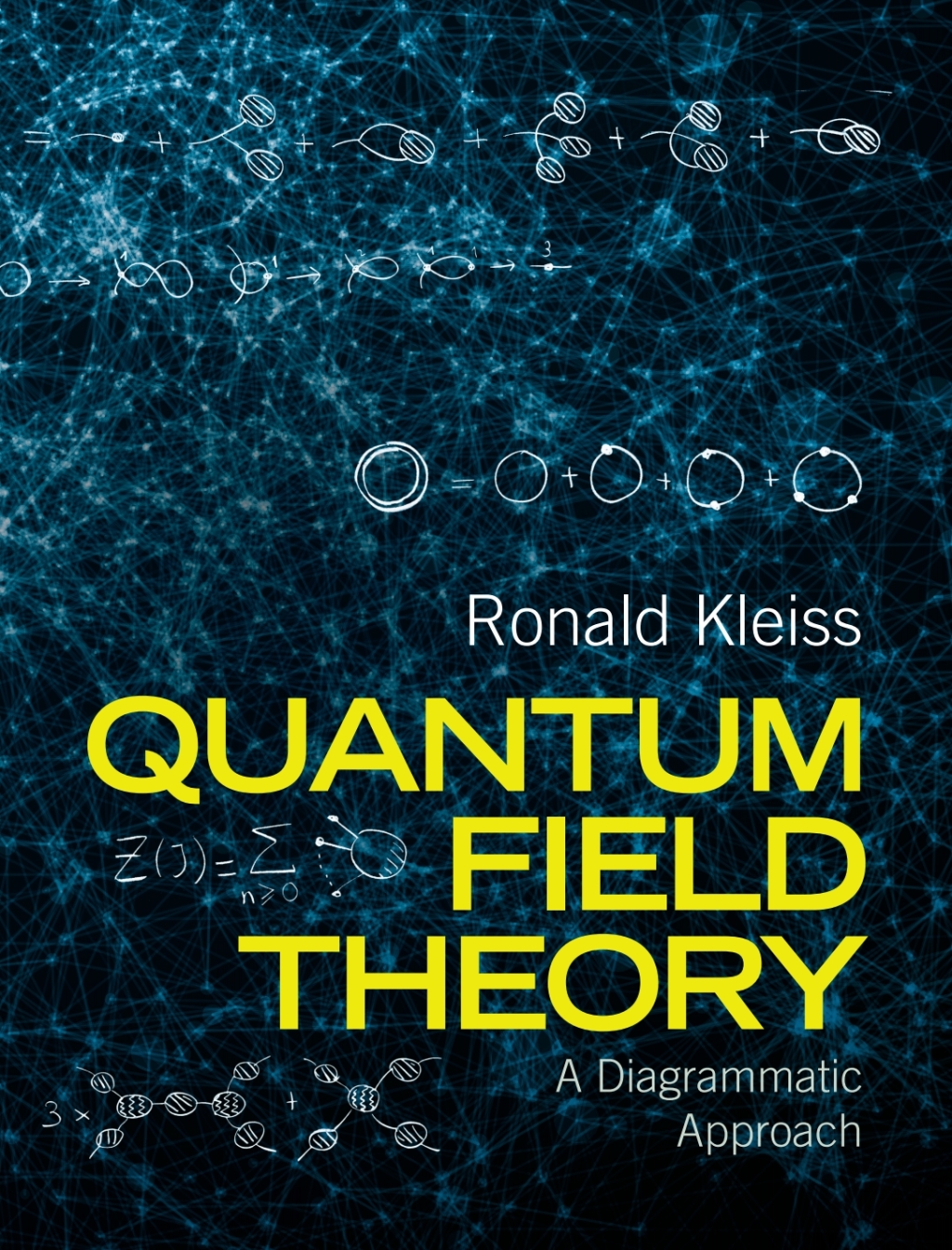
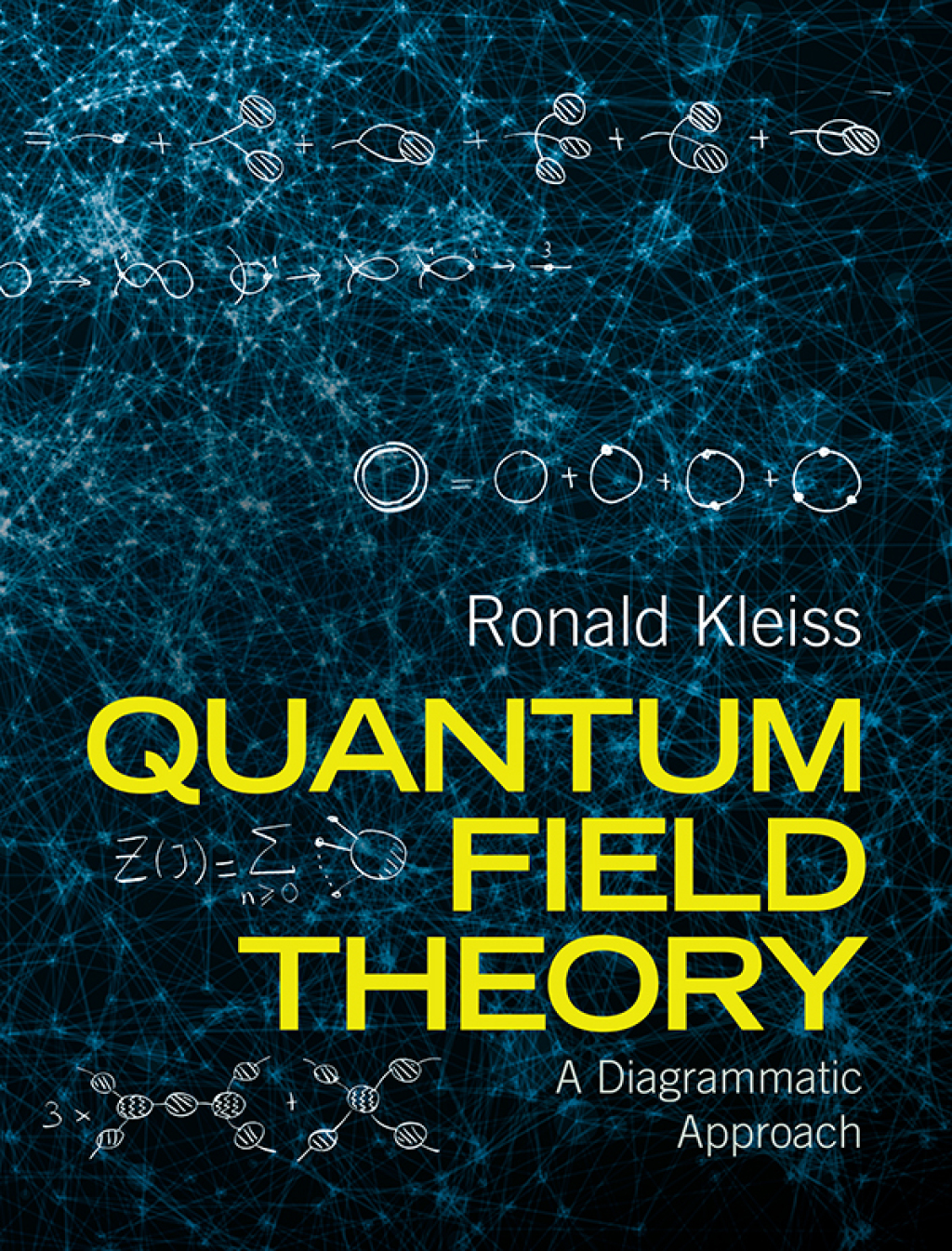
Quantum field theory (QFT), the language of particle physics, is crucial to a physicist’s graduate education. Based on lecture notes for courses taught for many years at Radboud University in the Netherlands, this book presents an alternative approach to teaching QFT using Feynman diagrams. A diagrammatic approach to understanding QFT exposes young physicists to an orthogonal introduction to the theory, bringing new ways to understand challenges in the field. Diagrammatic techniques using Feynman diagrams are used didactically, starting from simple discussions in lower dimensions to more complex topics in the Standard Model. Worked examples and exercises, for which solutions are available online, help the reader develop a deep understanding and intuition that enhances their problem-solving skills and understanding of QFT. Classroom-tested, this accessible book is valuable resource for graduate students and researchers.
Related products
-1st-edition-%E2%80%93-pdfepub-version-downloadable-8741-yaq5g.jpg)
-1st-edition-%E2%80%93-pdfepub-version-downloadable-4292-c4gaw.jpg)






Quantum Field Theory A Diagrammatic Approach – PDF/EPUB Version Downloadable
$49.99
Author(s): Ronald Kleiss
Publisher: Cambridge University Press
ISBN: 9781108486217
Edition:
Quantum field theory (QFT), the language of particle physics, is crucial to a physicist’s graduate education. Based on lecture notes for courses taught for many years at Radboud University in the Netherlands, this book presents an alternative approach to teaching QFT using Feynman diagrams. A diagrammatic approach to understanding QFT exposes young physicists to an orthogonal introduction to the theory, bringing new ways to understand challenges in the field. Diagrammatic techniques using Feynman diagrams are used didactically, starting from simple discussions in lower dimensions to more complex topics in the Standard Model. Worked examples and exercises, for which solutions are available online, help the reader develop a deep understanding and intuition that enhances their problem-solving skills and understanding of QFT. Classroom-tested, this accessible book is valuable resource for graduate students and researchers.