
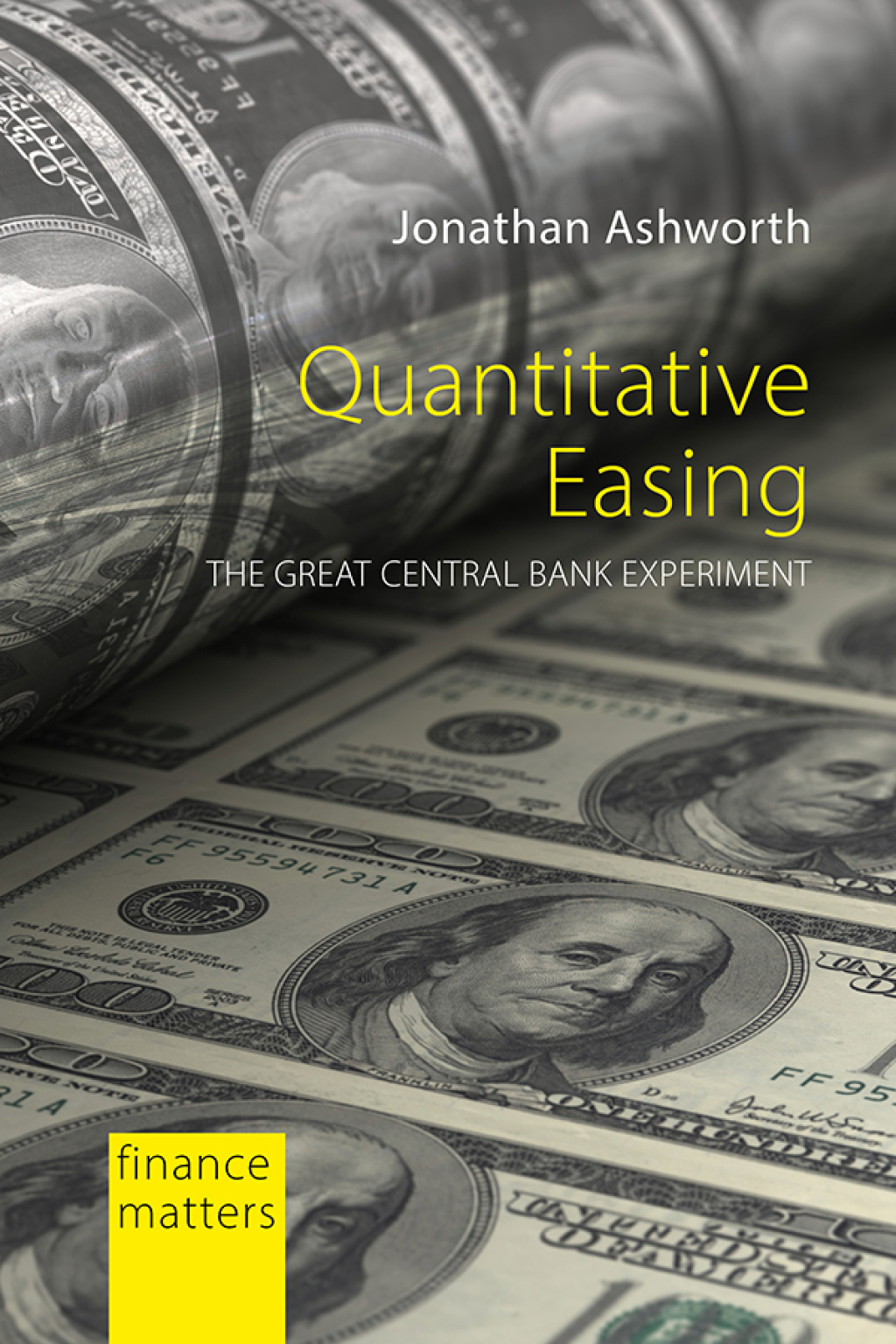


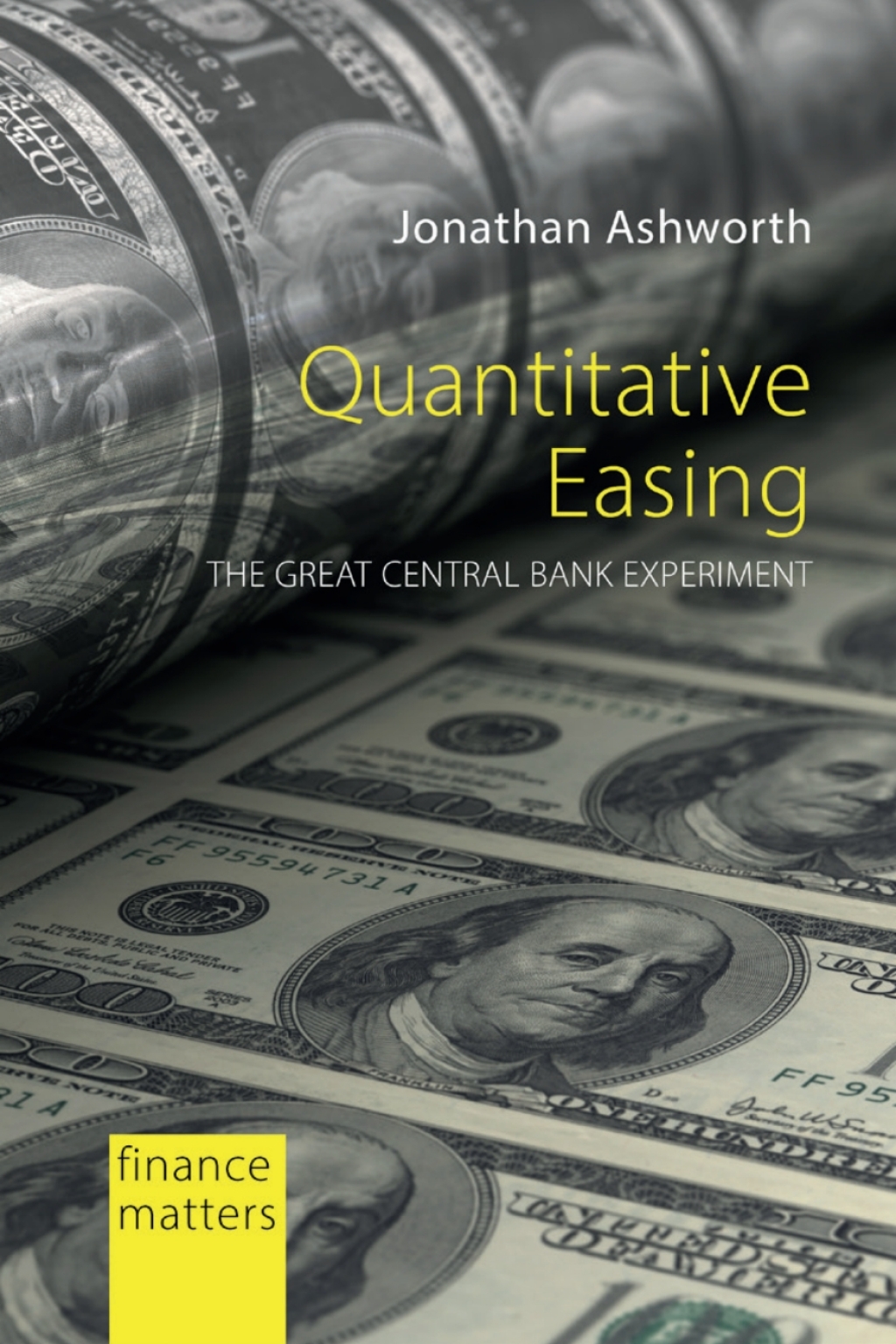
Quantitative Easing The Great Central Bank Experiment 1st Edition – PDF/EPUB Version Downloadable
$49.99
Author(s): Jonathan Ashworth
Publisher: Agenda Publishing
ISBN: 9781788212229
Edition: 1st Edition
Before the Great Financial Crisis of 2008–09, significant reductions in official interest rates typically proved sufficient to generate sustainable economic recoveries from downturns. However, with economies and financial markets in freefall during the crisis despite a cut in interest rates to effectively zero, policymakers in some advanced economies launched a major new tool called quantitative easing (QE). This involved central banks purchasing huge amounts of financial assets. This book offers a thorough and perspicacious analysis of QE, which has become a recovery method of last resort. Whilst it was successful in averting another Great Depression and stimulating growth, it remains controversial and continues to promote widespread debate in economics, financial, and political-economy circles. This book is essential reading for anyone wishing to understand central banking in the national economy.
Related products
-1st-edition-%E2%80%93-pdfepub-version-downloadable-8741-yaq5g.jpg)






Quantitative Easing The Great Central Bank Experiment 1st Edition – PDF/EPUB Version Downloadable
$49.99
Author(s): Jonathan Ashworth
Publisher: Agenda Publishing
ISBN: 9781788212229
Edition: 1st Edition
Before the Great Financial Crisis of 2008–09, significant reductions in official interest rates typically proved sufficient to generate sustainable economic recoveries from downturns. However, with economies and financial markets in freefall during the crisis despite a cut in interest rates to effectively zero, policymakers in some advanced economies launched a major new tool called quantitative easing (QE). This involved central banks purchasing huge amounts of financial assets. This book offers a thorough and perspicacious analysis of QE, which has become a recovery method of last resort. Whilst it was successful in averting another Great Depression and stimulating growth, it remains controversial and continues to promote widespread debate in economics, financial, and political-economy circles. This book is essential reading for anyone wishing to understand central banking in the national economy.