



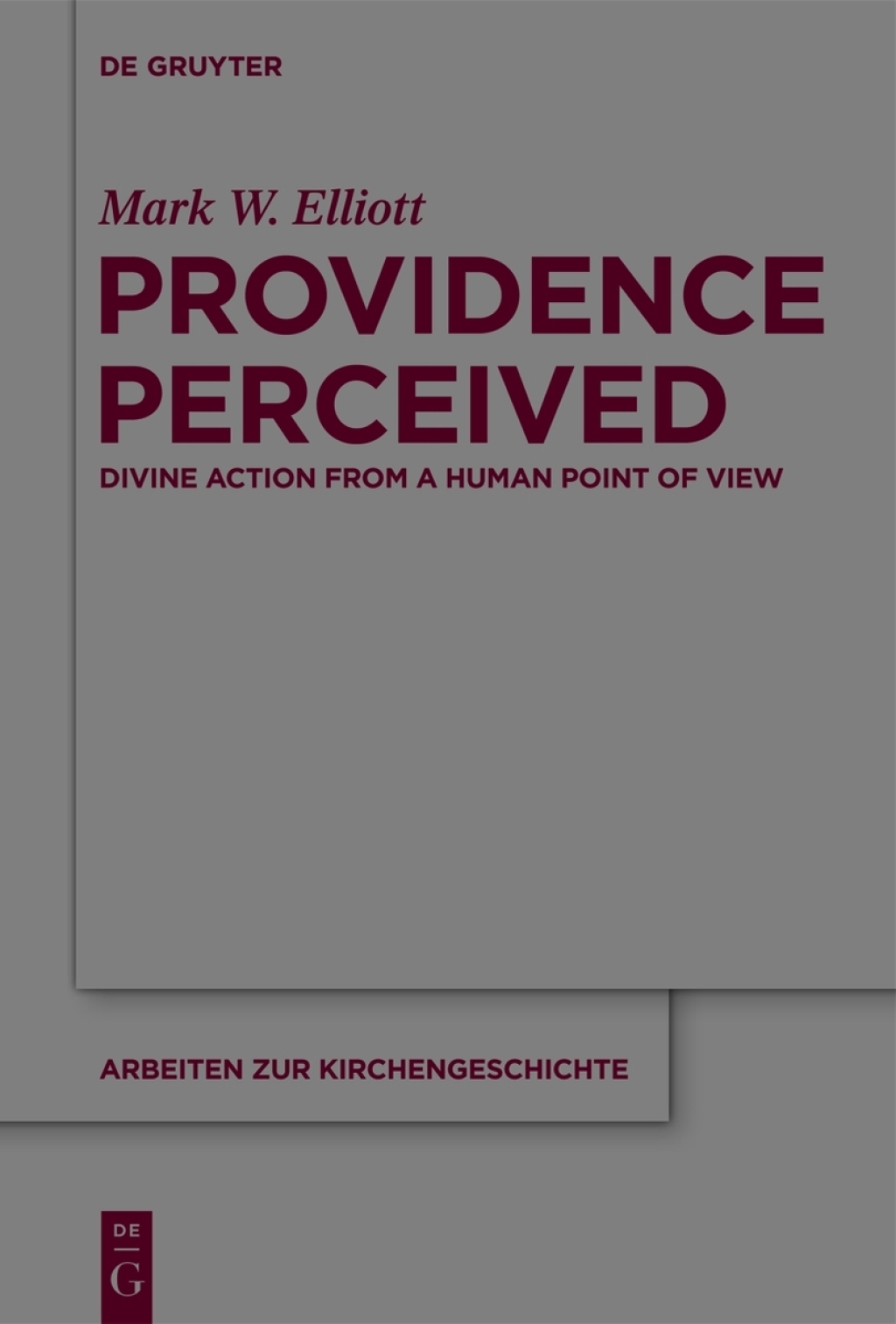
Providence Perceived Divine Action from a Human Point of View 1st Edition – PDF/EPUB Version Downloadable
$49.99
Author(s): Mark W. Elliott
Publisher: De Gruyter
ISBN: 9783110310566
Edition: 1st Edition
This book will offer an account not so much of God’s Providence an sich, but rather of divine providence as experienced by believers and unbelievers. It will not ask questions about whether and how God knows the future, or how suffering can be accounted for (as is the case in the treatments by William Lane Craig, Richard Swinburne, or J. Sanders), but will focus on prayer and decision-making as a faithful and/or desperate response to the perception of God as having some controlling influence. The following gives an idea of the ground to be covered: The patristic foundations of the Christian view of Providence; The medieval synthesis of ‘objective’ and ‘subjective’ views; Reformational and Early Modern: the shift towards piety; Modern Enlightenment: Providence and Ethics; Barth and the Sceptics; The sense of Providence in the Modern Novel and World.
Related products
-1st-edition-%E2%80%93-pdfepub-version-downloadable-4292-c4gaw.jpg)





Providence Perceived Divine Action from a Human Point of View 1st Edition – PDF/EPUB Version Downloadable
$49.99
Author(s): Mark W. Elliott
Publisher: De Gruyter
ISBN: 9783110310566
Edition: 1st Edition
This book will offer an account not so much of God’s Providence an sich, but rather of divine providence as experienced by believers and unbelievers. It will not ask questions about whether and how God knows the future, or how suffering can be accounted for (as is the case in the treatments by William Lane Craig, Richard Swinburne, or J. Sanders), but will focus on prayer and decision-making as a faithful and/or desperate response to the perception of God as having some controlling influence. The following gives an idea of the ground to be covered: The patristic foundations of the Christian view of Providence; The medieval synthesis of ‘objective’ and ‘subjective’ views; Reformational and Early Modern: the shift towards piety; Modern Enlightenment: Providence and Ethics; Barth and the Sceptics; The sense of Providence in the Modern Novel and World.