
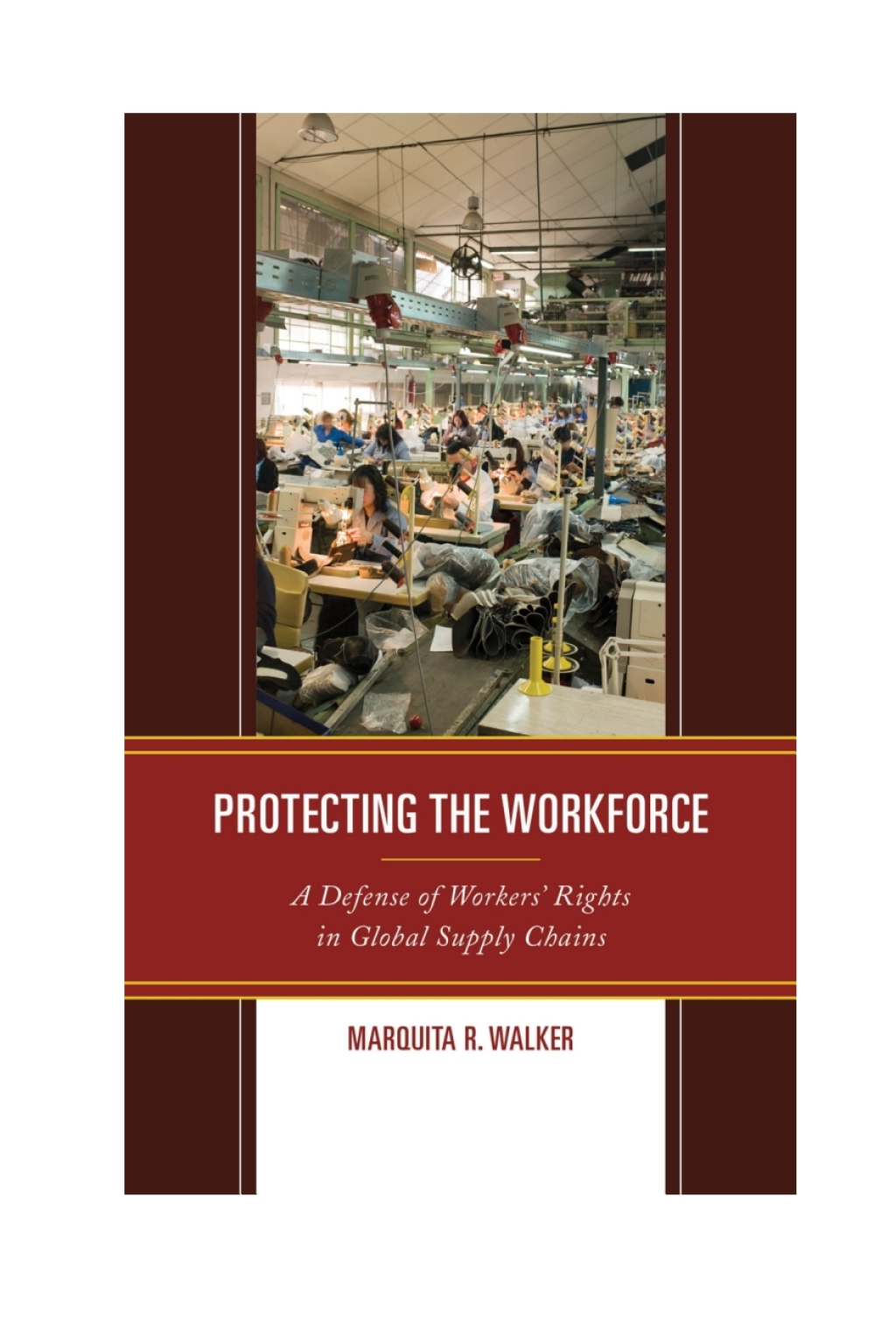


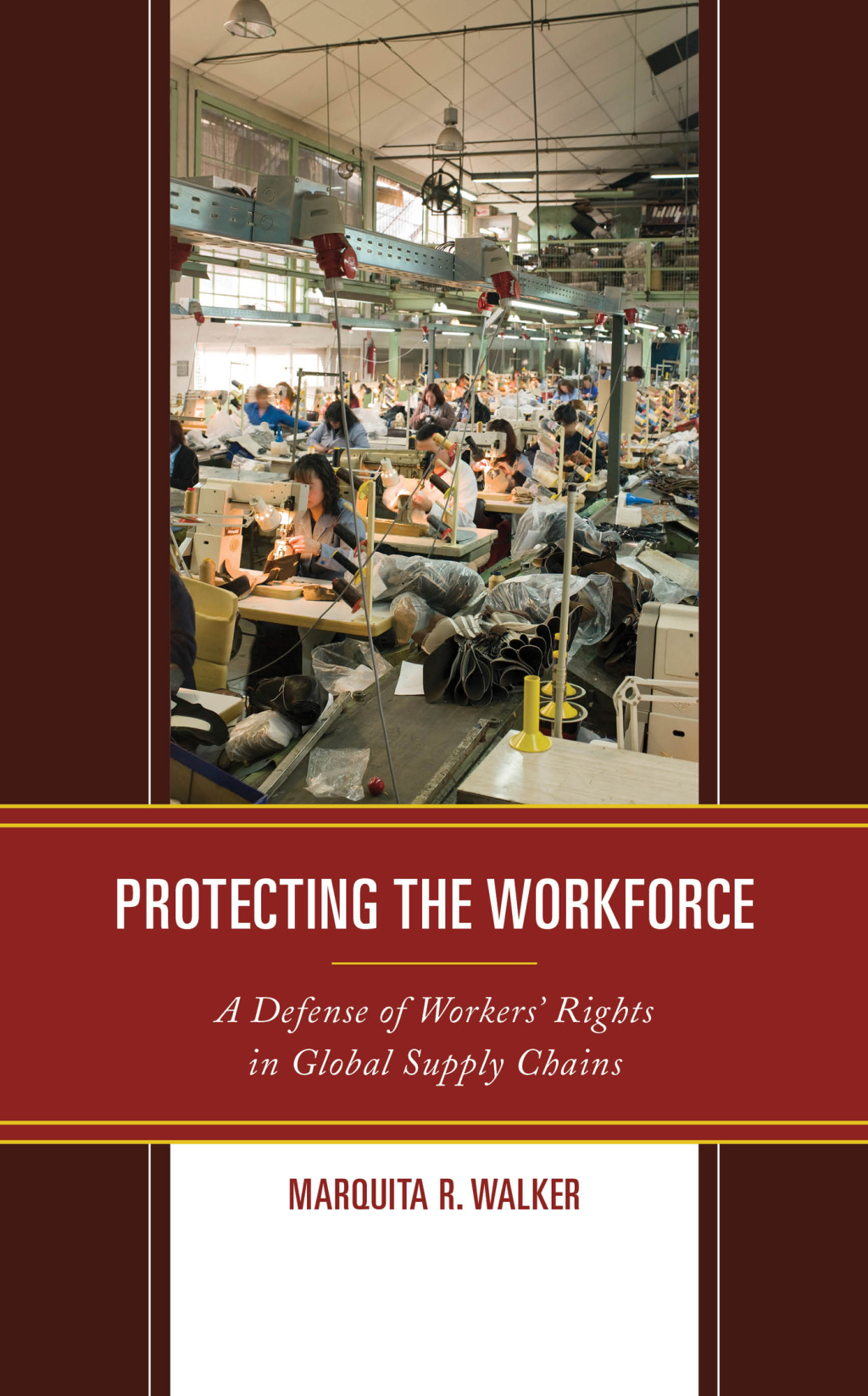
Protecting the Workforce A Defense of Workers’ Rights in Global Supply Chains 1st Edition – PDF/EPUB Version Downloadable
$49.99
Author(s): Marquita R. Walker
Publisher: Lexington Books
ISBN: 9781498599122
Edition: 1st Edition
This book showcases the inequalities experienced between the Global North and the Global South by exploring the production and distribution model of goods and services worldwide through an analysis of why the structure, framework, and interconnectedness of global supply chains increases the persistence of worker rights’ violations. The narrative explains the power relationships between multinational corporations, their subcontractors, governments, non-governmental organizations, labor unions, and workers. The text focuses primarily on competition between workers in the Global South and the Global North who are compelled to work in global supply chains for their survival and takes a macro-look at how global supply chains operate, how they are governed, who invests and why, and who wins and who loses. From the workers’ perspective, the text highlights the millions of low-wage workers who suffer exploitation and abuse at the hands of greedy multi-national corporations who are able to distance themselves from any liability for workers’ welfare through an institutional system created by national/state governments, trade agreements, and tax and investment strategies which protect property rights over workers’ rights. The fragile plight of workers crescendos through examples of exploitation and abuse in the fishing, mining, apparel, electronic and manufacturing industries, focusing events of workplace disasters, and slave-like working conditions, then climaxes by providing strategies to help strengthen workers through legislative and policy initiatives, collective action, and social and public pressure.
Related products
-1st-edition-%E2%80%93-pdfepub-version-downloadable-8741-yaq5g.jpg)







Protecting the Workforce A Defense of Workers’ Rights in Global Supply Chains 1st Edition – PDF/EPUB Version Downloadable
$49.99
Author(s): Marquita R. Walker
Publisher: Lexington Books
ISBN: 9781498586160
Edition: 1st Edition
This book showcases the inequalities experienced between the Global North and the Global South by exploring the production and distribution model of goods and services worldwide through an analysis of why the structure, framework, and interconnectedness of global supply chains increases the persistence of worker rights’ violations. The narrative explains the power relationships between multinational corporations, their subcontractors, governments, non-governmental organizations, labor unions, and workers. The text focuses primarily on competition between workers in the Global South and the Global North who are compelled to work in global supply chains for their survival and takes a macro-look at how global supply chains operate, how they are governed, who invests and why, and who wins and who loses. From the workers’ perspective, the text highlights the millions of low-wage workers who suffer exploitation and abuse at the hands of greedy multi-national corporations who are able to distance themselves from any liability for workers’ welfare through an institutional system created by national/state governments, trade agreements, and tax and investment strategies which protect property rights over workers’ rights. The fragile plight of workers crescendos through examples of exploitation and abuse in the fishing, mining, apparel, electronic and manufacturing industries, focusing events of workplace disasters, and slave-like working conditions, then climaxes by providing strategies to help strengthen workers through legislative and policy initiatives, collective action, and social and public pressure.