
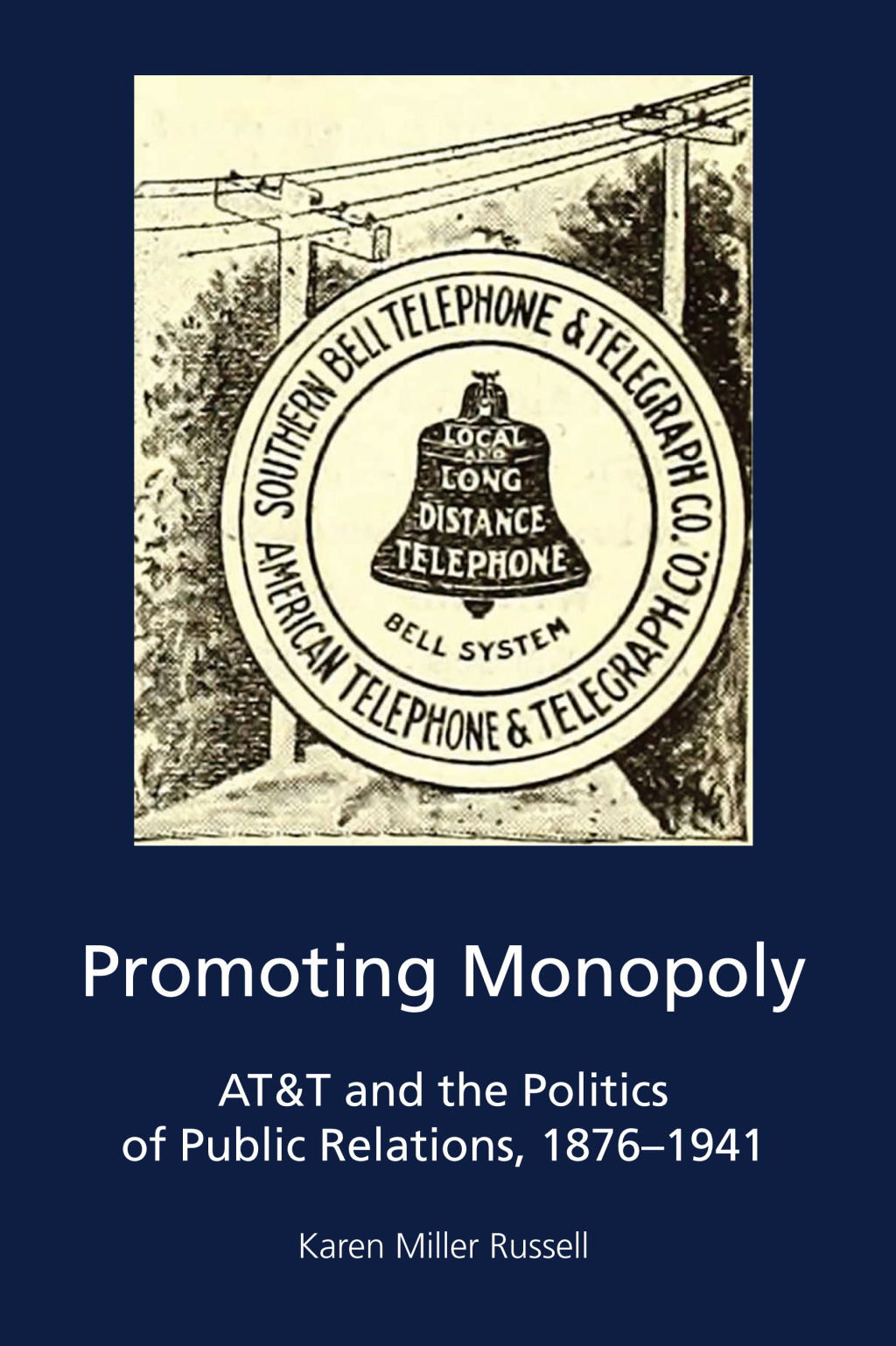


Promoting Monopoly AT&T and the Politics of Public Relations, 1876-1941 1st Edition – PDF/EPUB Version Downloadable
$49.99
Author(s): Karen Miller Russell
Publisher: Peter Lang Inc., International Academic Publishers
ISBN: 9781433147333
Edition: 1st Edition
Since the invention of the telephone in 1876, publicity has been central to the growth of the industry. In its earliest years the Bell company enjoyed a patent monopoly, but after Alexander Graham Bell’s patents expired, it had to ï¬ght competitors, the public, and the U.S. government to maintain control of the telephone network. It used every means its executives could imagine, and that included constructing one of the earliest and most effective public relations programs of its time. This book analyzes the development of public relations at AT&T, starting with a previously forgotten publicist, William A. Hovey, and then including James D. Ellsworth and Arthur W. Page, who worked with other Bell executives to create a company where public relations permeated almost every aspect of work, leveraging employee programs, stock sales, and technological research for PR. Critics accused it of disseminating propaganda, but the desire to promote and protect the Bell monopoly propelled the creation of a corporate public relations program that also shaped the legal, political, media, and cultural landscape.
Related products
-1st-edition-%E2%80%93-pdfepub-version-downloadable-8741-yaq5g.jpg)






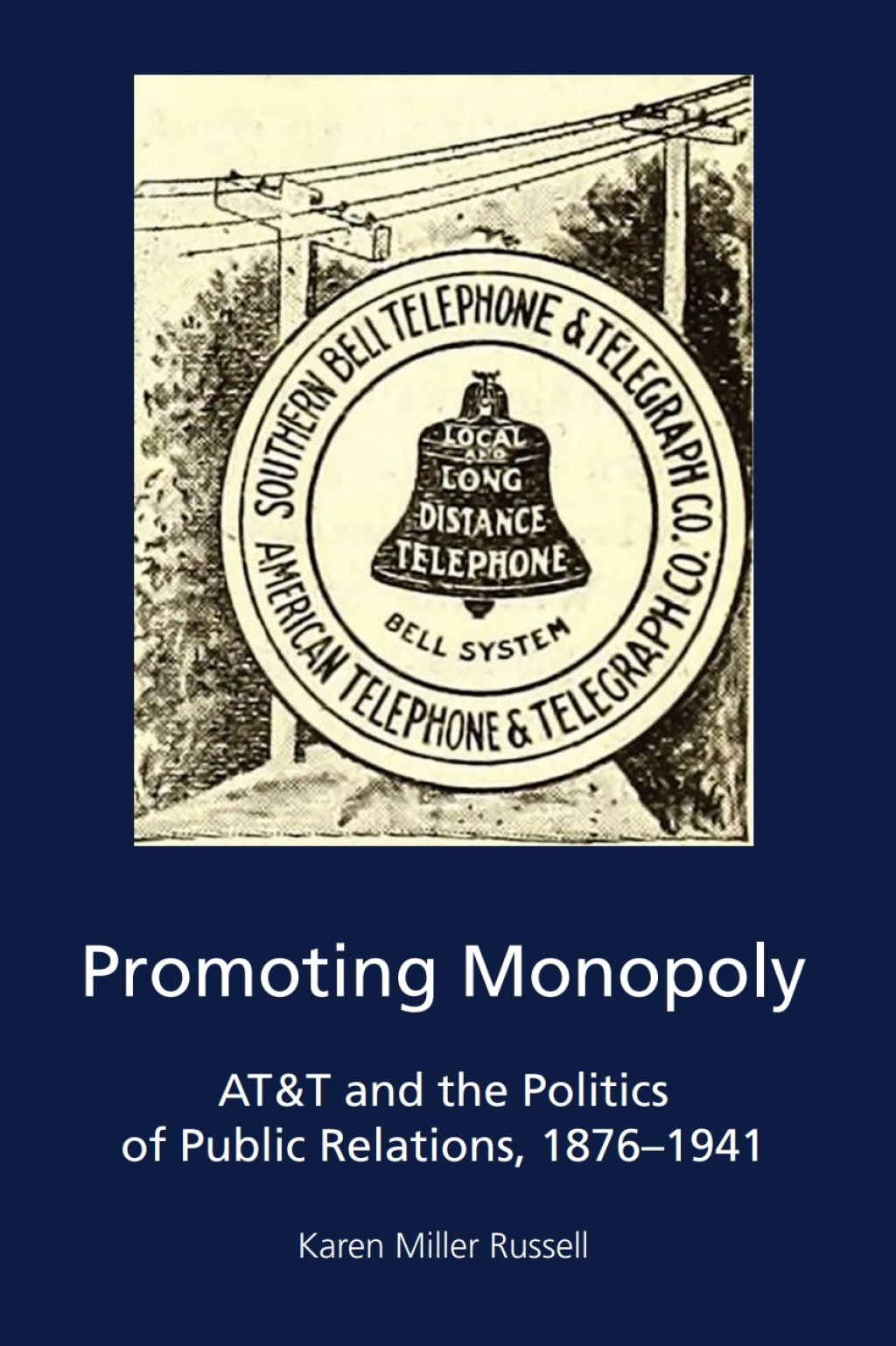

Promoting Monopoly AT&T and the Politics of Public Relations, 1876-1941 1st Edition – PDF/EPUB Version Downloadable
$49.99
Author(s): Karen Miller Russell
Publisher: Peter Lang Inc., International Academic Publishers
ISBN: 9781433147333
Edition: 1st Edition
Since the invention of the telephone in 1876, publicity has been central to the growth of the industry. In its earliest years the Bell company enjoyed a patent monopoly, but after Alexander Graham Bell’s patents expired, it had to ï¬ght competitors, the public, and the U.S. government to maintain control of the telephone network. It used every means its executives could imagine, and that included constructing one of the earliest and most effective public relations programs of its time. This book analyzes the development of public relations at AT&T, starting with a previously forgotten publicist, William A. Hovey, and then including James D. Ellsworth and Arthur W. Page, who worked with other Bell executives to create a company where public relations permeated almost every aspect of work, leveraging employee programs, stock sales, and technological research for PR. Critics accused it of disseminating propaganda, but the desire to promote and protect the Bell monopoly propelled the creation of a corporate public relations program that also shaped the legal, political, media, and cultural landscape.