
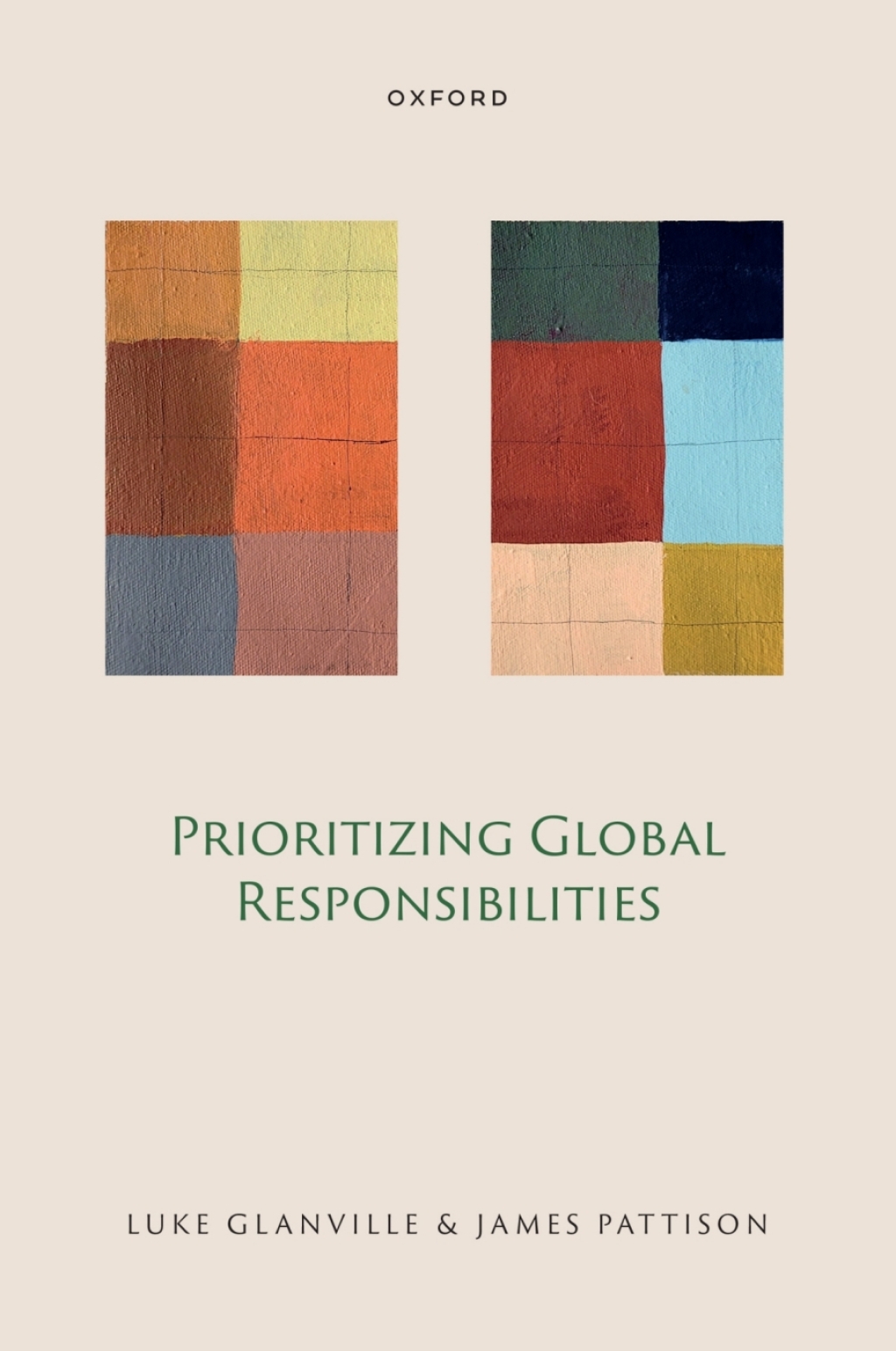

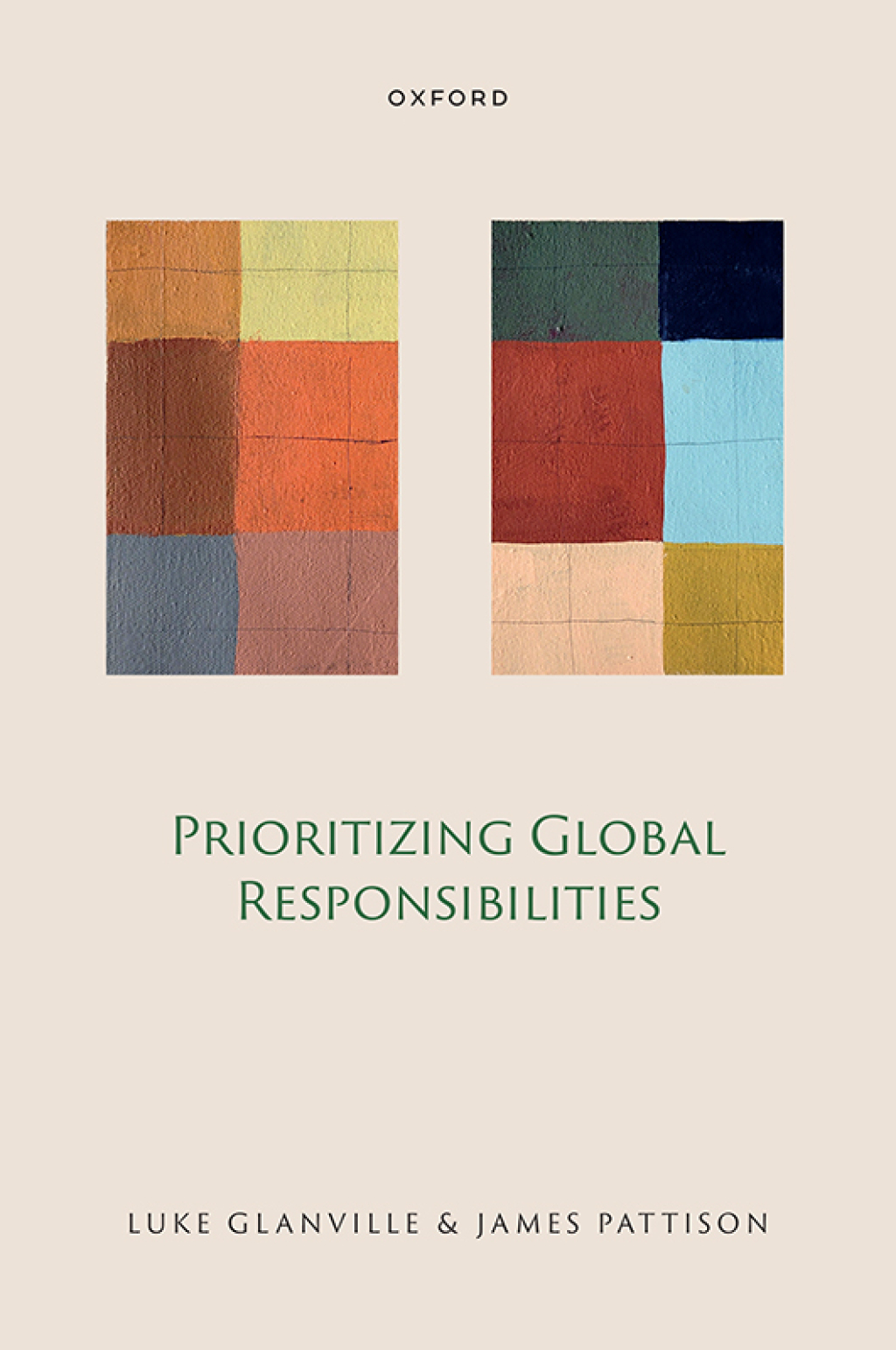
Prioritizing Global Responsibilities 1st Edition – PDF/EPUB Version Downloadable
$49.99
Author(s): Luke Glanville; James Pattison
Publisher: OUP Oxford
ISBN: 9780198892335
Edition: 1st Edition
States face multiple ongoing and emerging challenges, from climate change to global disease, mass atrocities to forced displacement, humanitarian crises to entrenched global poverty, and are constrained by material and political limits to the amount of resources that they can devote to these issues. How should states decide which issues to prioritize and which crises to address? Prioritizing Global Responsibilities answers this question by proposing a two-level account of just prioritization that aims to be both philosophically sound and practically relevant. The authors assess several potential prioritization principles, including diversification, culpability, urgency, disadvantage, and national interest, and argue that states should prioritize issues where they can assist most effectively and where they can help those who are most underprivileged.
Related products






Prioritizing Global Responsibilities 1st Edition – PDF/EPUB Version Downloadable
$49.99
Author(s): Luke Glanville; James Pattison
Publisher: OUP Oxford
ISBN: 9780198892335
Edition: 1st Edition
States face multiple ongoing and emerging challenges, from climate change to global disease, mass atrocities to forced displacement, humanitarian crises to entrenched global poverty, and are constrained by material and political limits to the amount of resources that they can devote to these issues. How should states decide which issues to prioritize and which crises to address? Prioritizing Global Responsibilities answers this question by proposing a two-level account of just prioritization that aims to be both philosophically sound and practically relevant. The authors assess several potential prioritization principles, including diversification, culpability, urgency, disadvantage, and national interest, and argue that states should prioritize issues where they can assist most effectively and where they can help those who are most underprivileged.