
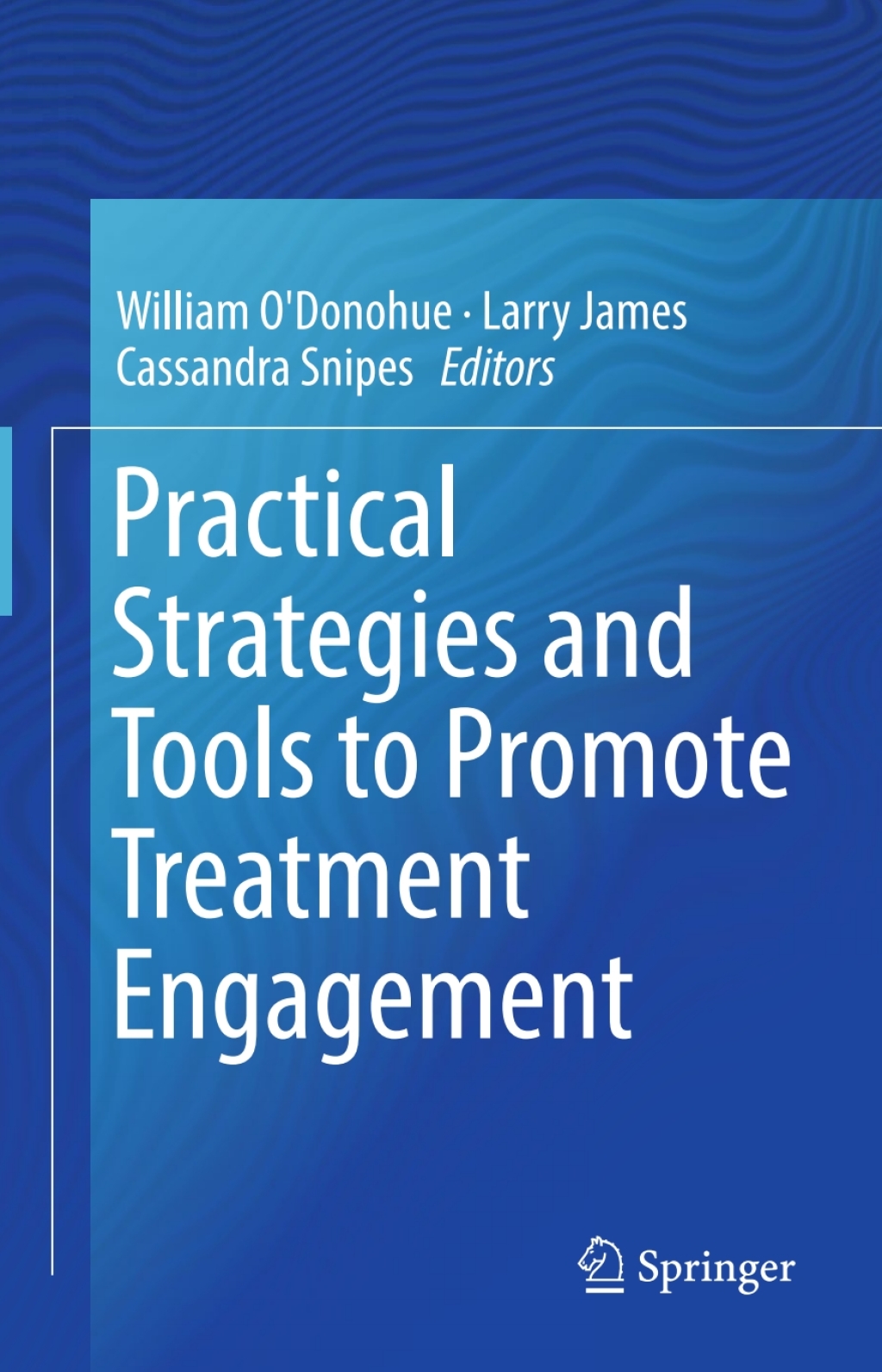


Practical Strategies and Tools to Promote Treatment Engagement – PDF/EPUB Version Downloadable
$49.99
Author(s):
Publisher: Springer
ISBN: 9783319492049
Edition:
This practice-building resource examines the psychology behind non-adherence and the importance of building commitment to treatment as the foundation of successful therapy. Coverage starts by illustrating the complex phenomena of non-adherence at different stages of intervention—including mechanisms and situations that may prevent even initial engagement. From there, experts from diverse specialties offer interest-promoting strategies tailored to specific conditions (diabetes, anxiety, depression) and populations (children, dually diagnosed patients), informed by the current knowledge base on treatment effectiveness and recent technological advances. And the editors make patient-centered recommendations for the health and mental health professions to make therapy more accessible and open. Among the topics covered: ·        Meeting patients where they are: using a stage approach to facilitate engagement. ·       Use of mindfulness in promoting treatment engagement. ·        DBT and treatment engagement in the context of highly suicidal complex clients. ·        Behavioral Problems in children: ADHD and ODD. ·        Engagement of patients in the self-management of pain. ·        Engaging trauma survivors in treatment.                                                A breakthrough in the behavioral health delivery services literature, Practical Strategies and Tools to Promote Treatment Engagement offers real-world tools, guidelines, and expertise to health psychologists, primary care physicians and nurses, clinical psychologists, and clinical social workers. It is a vivid reminder that patients need not only what’s good for them, but also what works for them.
-1st-edition-%E2%80%93-pdfepub-version-downloadable-4292-c4gaw.jpg)