
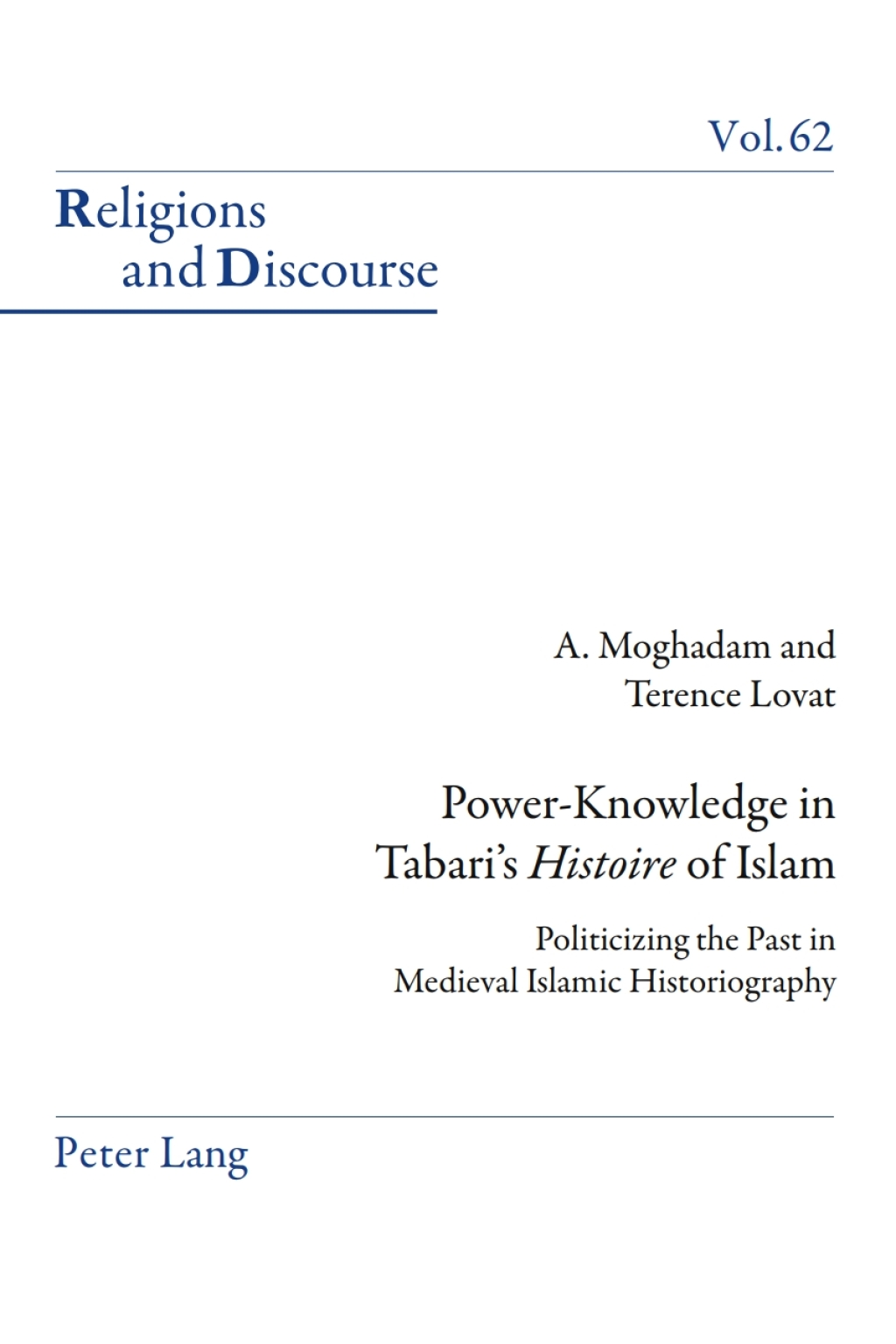
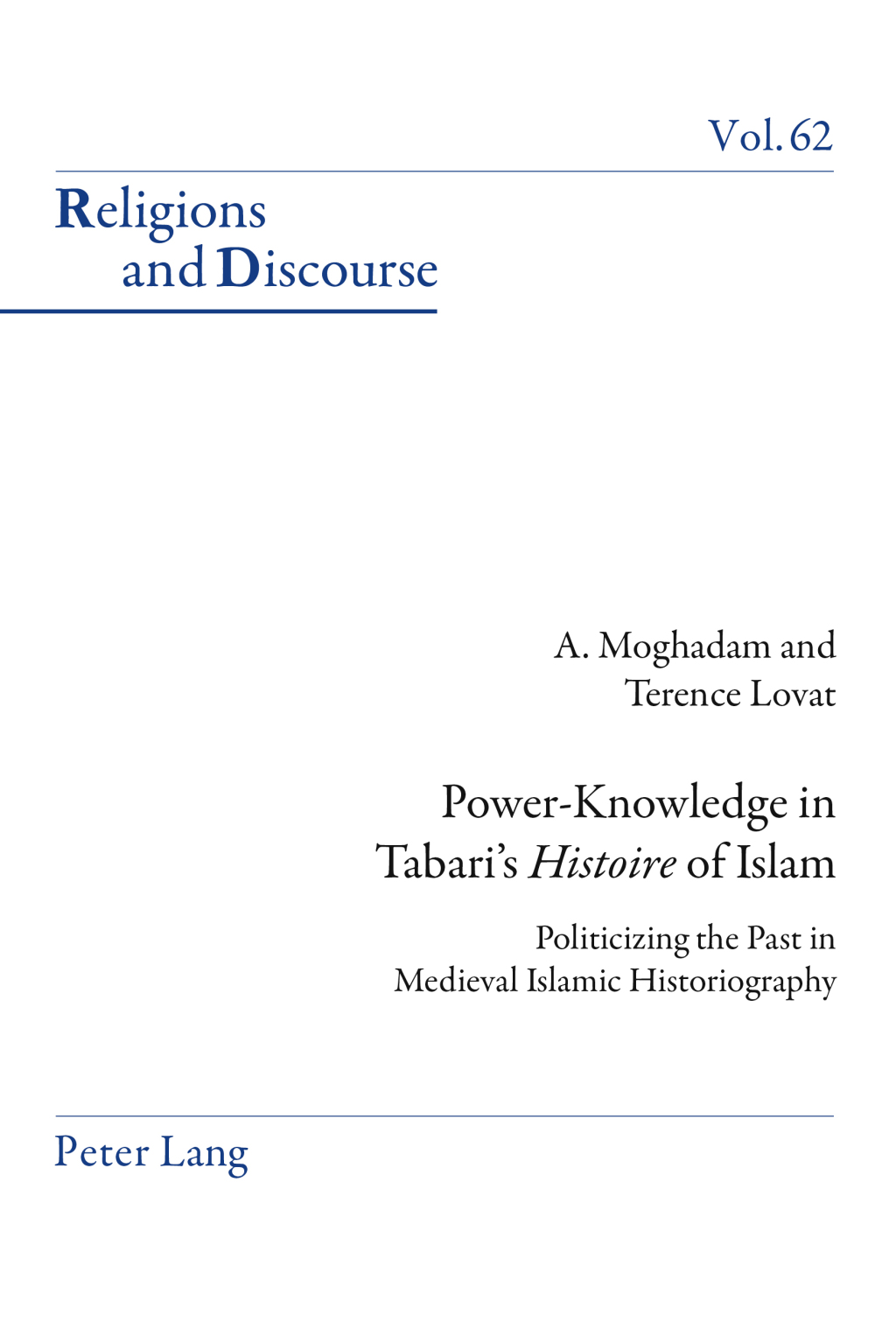
Power-Knowledge in Tabari’s «Histoire» of Islam Politicizing the past in Medieval Islamic Historiography 1st Edition – PDF/EPUB Version Downloadable
$49.99
Author(s): Amir Moghadam; Terence Lovat
Publisher: Peter Lang Ltd, International Academic Publishers
ISBN: 9781788747035
Edition: 1st Edition
Muhammad al-Tabari’s History, written about 300 years after the establishment of Islam, is one of the religion’s most important commentaries. It offers important insights into the early development of Islam, not so much for its history as for the ways it was interpreted and understood. Through application of modern historiographical analysis and scriptural exegesis, the book explores the space between factual history and interpretive history, or histoire. The focus is especially on the ways in which al-Tabari himself understood and interpreted Qur’anic evidence, employing it not so much for literal as for political purposes. In this sense, his work is best understood not as a reliable history in the modern sense but as a politically-inspired commentary. Granted that his work has often been relied on for Islam’s historical claims, this book offers important new insights into the ways in which power and politics were shaping interpretations in its first three hundred years.
Related products

Power-Knowledge in Tabari’s «Histoire» of Islam Politicizing the past in Medieval Islamic Historiography 1st Edition – PDF/EPUB Version Downloadable
$49.99
Author(s): Amir Moghadam; Terence Lovat
Publisher: Peter Lang Ltd, International Academic Publishers
ISBN: 9781788747035
Edition: 1st Edition
Muhammad al-Tabari’s History, written about 300 years after the establishment of Islam, is one of the religion’s most important commentaries. It offers important insights into the early development of Islam, not so much for its history as for the ways it was interpreted and understood. Through application of modern historiographical analysis and scriptural exegesis, the book explores the space between factual history and interpretive history, or histoire. The focus is especially on the ways in which al-Tabari himself understood and interpreted Qur’anic evidence, employing it not so much for literal as for political purposes. In this sense, his work is best understood not as a reliable history in the modern sense but as a politically-inspired commentary. Granted that his work has often been relied on for Islam’s historical claims, this book offers important new insights into the ways in which power and politics were shaping interpretations in its first three hundred years.