
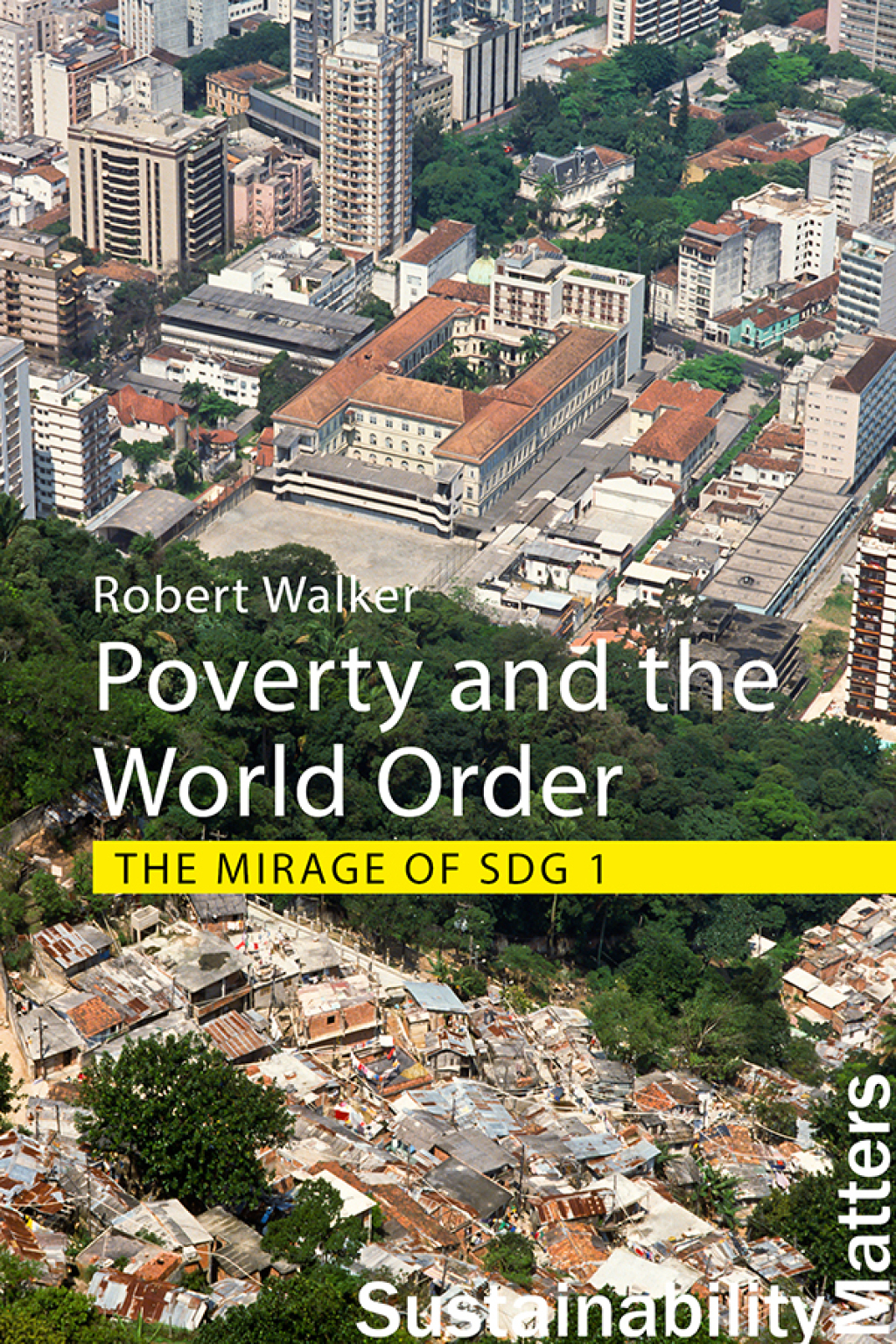

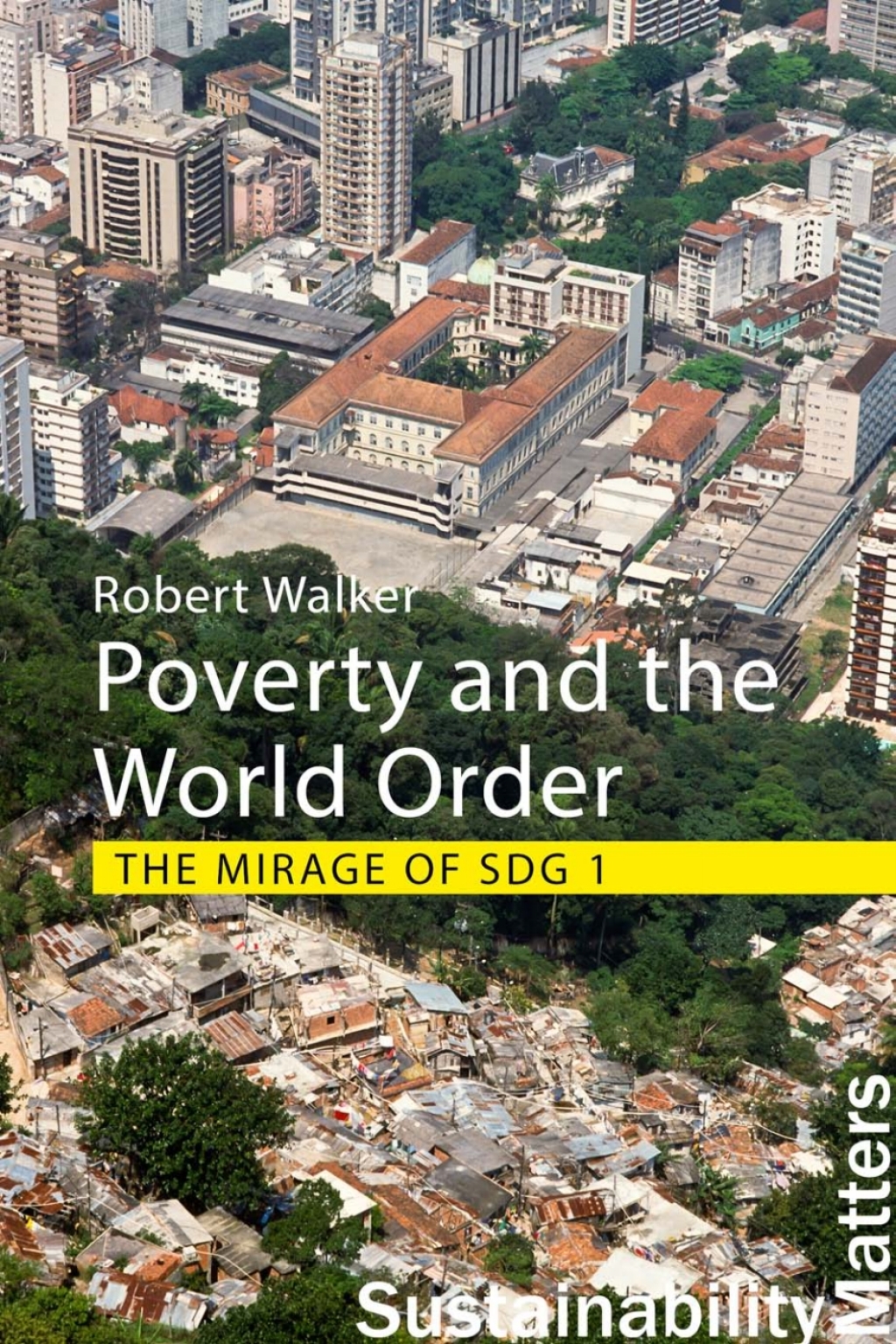
Poverty and the World Order The Mirage of SDG 1 – PDF/EPUB Version Downloadable
$49.99
Author(s): Robert Walker
Publisher: Agenda Publishing
ISBN: 9781788215558
Edition:
Robert Walker provides a critical examination of the promise and reality of SDG1, the United Nations’ Social Development Goal designed, among other things, to eradicate extreme poverty by 2030. The author’s message is stark: there is little chance of success. Although the need for a collective and coordinated response is clear, global and national systems of governance are currently incapable of an adequate response. While the critique is formidable, the book seeks to identify reforms necessary to meaningfully increase the likelihood of meeting SDG1’s goals. These include reshaping international institutions so that they give greater voice to governments in the developing world, facilitating enhanced modes of participatory governance, and increasing democratic accountability at a global level. Evidence is drawn throughout from a systematic review of international best practice supplemented by more detailed strategic case-studies, including from China.
Related products




Poverty and the World Order The Mirage of SDG 1 – PDF/EPUB Version Downloadable
$49.99
Author(s): Robert Walker
Publisher: Agenda Publishing
ISBN: 9781788215558
Edition:
Robert Walker provides a critical examination of the promise and reality of SDG1, the United Nations’ Social Development Goal designed, among other things, to eradicate extreme poverty by 2030. The author’s message is stark: there is little chance of success. Although the need for a collective and coordinated response is clear, global and national systems of governance are currently incapable of an adequate response. While the critique is formidable, the book seeks to identify reforms necessary to meaningfully increase the likelihood of meeting SDG1’s goals. These include reshaping international institutions so that they give greater voice to governments in the developing world, facilitating enhanced modes of participatory governance, and increasing democratic accountability at a global level. Evidence is drawn throughout from a systematic review of international best practice supplemented by more detailed strategic case-studies, including from China.
-1st-edition-%E2%80%93-pdfepub-version-downloadable-4292-c4gaw.jpg)