
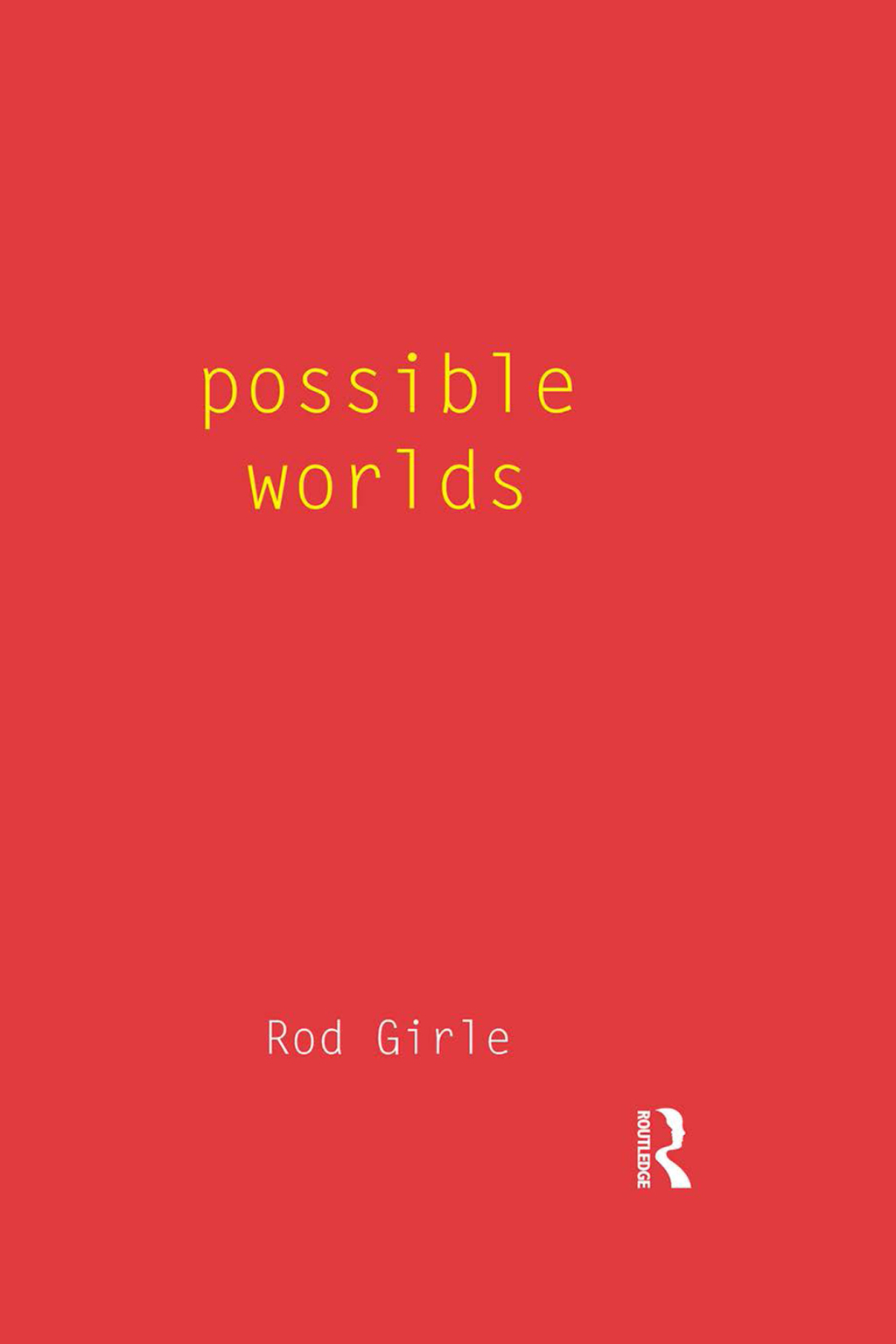

Possible Worlds 1st Edition – PDF/EPUB Version Downloadable
$49.99
Author(s): Rod Girle
Publisher: Routledge
ISBN: 9781902683690
Edition: 1st Edition
Ever since Saul Kripke and others developed a semantic interpretation for modal logic, ‘possible worlds’ has been a much debated issue in contemporary metaphysics. To propose the idea of a possible world that differs in some way from our actual world – for example a world where the grass is red or where no people exist – can help us to analyse and understand a wide range of philosophical concepts, such as counterfactuals, properties, modality, and of course, the notions of possibility and necessity. This book examines the ways in which possible worlds have been used as a framework for considering problems in logic and argument analysis. The book begins with a non-technical introduction to the basic ideas of modal logic in terms of Kripke’s possible worlds and then moves on to a discussion of ‘possible for’ and ‘possible that’. The central chapters examine questions of meaning, epistemic possibility, temporal logic, metaphysics, and impossibility. Girle also investigates how the idea of a possible world can be put to use in different areas of philosophy, the problems it may raise, and the benefits that can be gained.
Related products




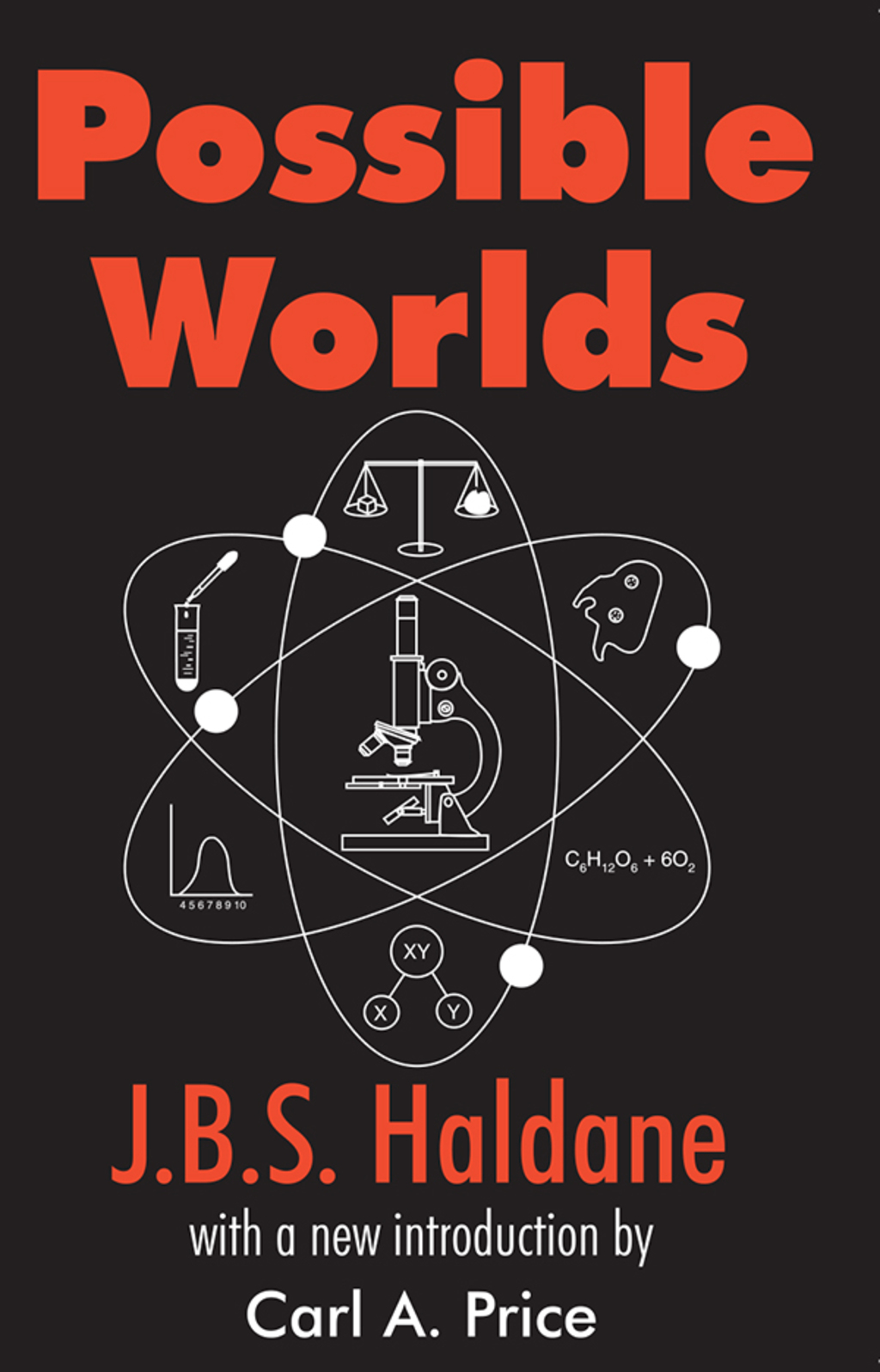
Possible Worlds 1st Edition – PDF/EPUB Version Downloadable
$49.99
Author(s): J.B.S. Haldane
Publisher: Routledge
ISBN: 9781138530539
Edition: 1st Edition
Haldane advanced genetics, population biology and evolutionary theory. This volume emphasizes important developments in natural sciences in the early-20th century. It describes Haldane’s views on society, art, religion and economy as seen through the eyes of a politically alert major scientist.
Related products
-1st-edition-%E2%80%93-pdfepub-version-downloadable-4292-c4gaw.jpg)


Possible Worlds 1st Edition – PDF/EPUB Version Downloadable
$49.99
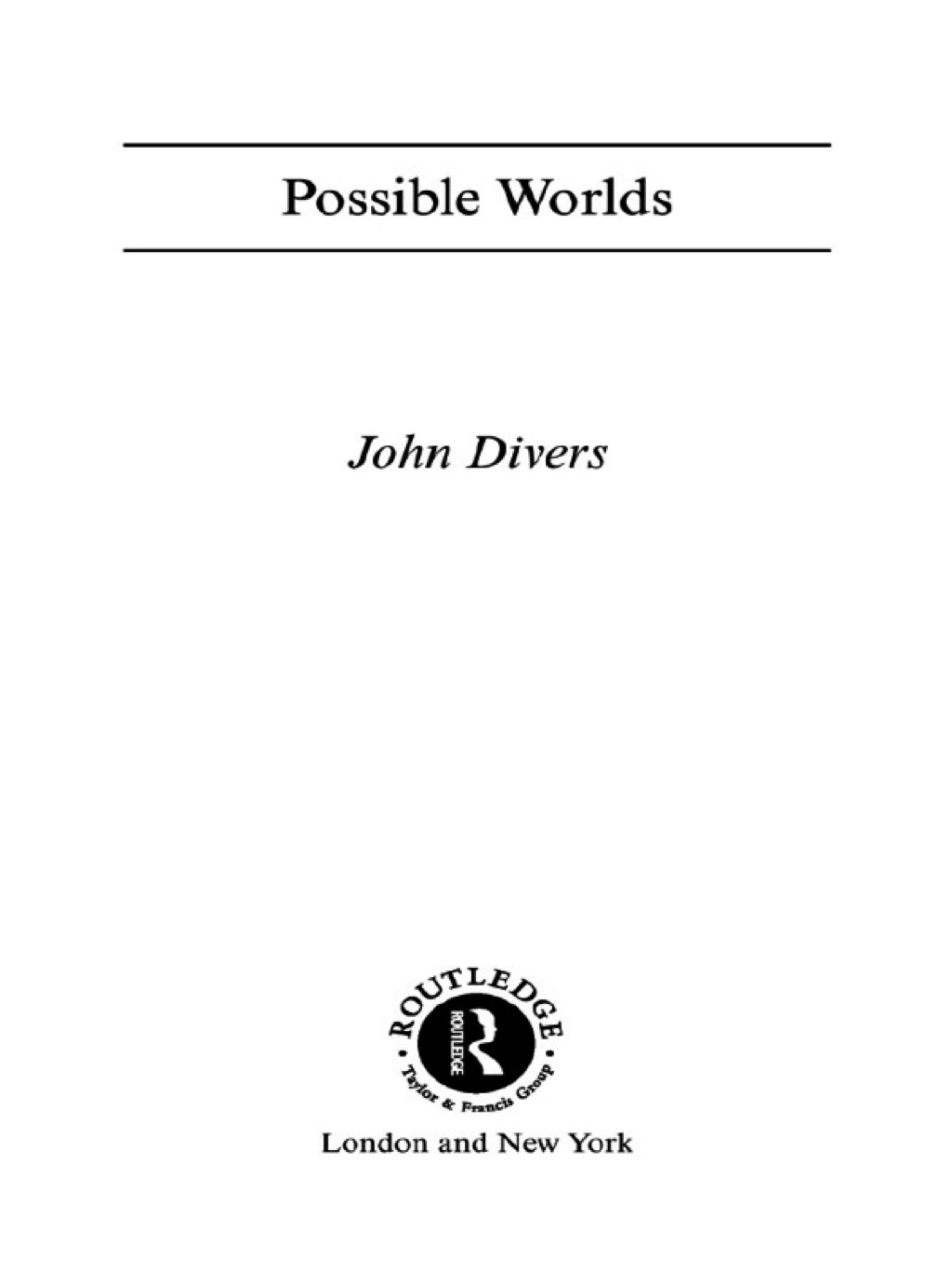
Author(s): John Divers
Publisher: Routledge
ISBN: 9780415155564
Edition: 1st Edition
Possible Worlds presents the first up-to-date and comprehensive examination of one of the most important topics in metaphysics. John Divers considers the prevalent philosophical positions, including realism, antirealism and the work of important writers on possible worlds such as David Lewis, evaluating them in detail.
-1st-edition-%E2%80%93-pdfepub-version-downloadable-8741-yaq5g.jpg)