


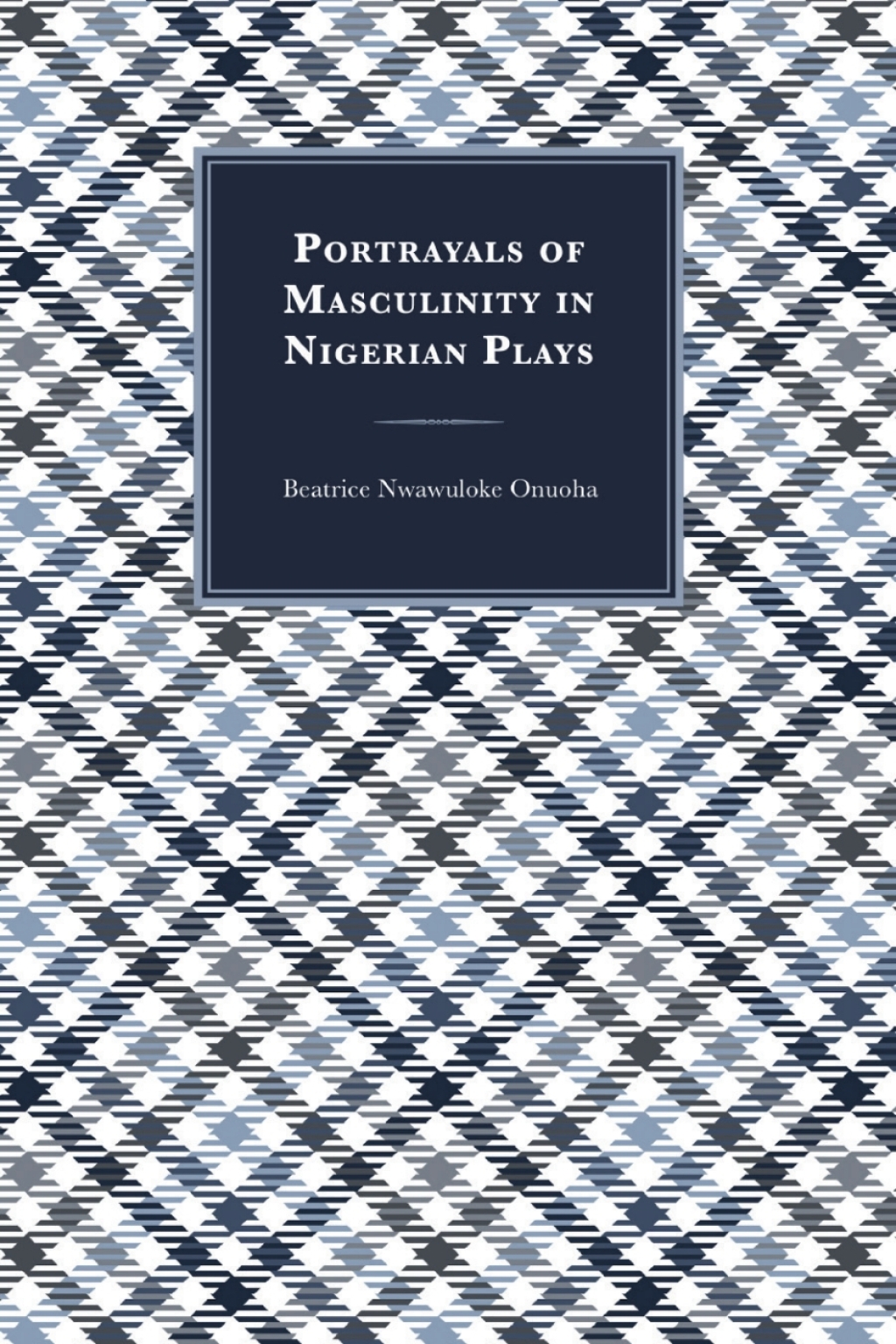
Portrayals of Masculinity in Nigerian Plays 1st Edition – PDF/EPUB Version Downloadable
$49.99
Author(s): Beatrice Nwawuloke Onuoha
Publisher: Lexington Books
ISBN: 9781666935035
Edition: 1st Edition
Portrayals of Masculinity in Nigerian Plays explores Nigerian people’s notions of masculinity as portrayed in twelve Nigerian plays, written by three generations of Nigerian playwrights. She argues that hegemonic masculinity and other forms, which are referred to as “alternative masculinities,†exist in traditional Nigerian society. By analyzing plays written by first, second, and third-generation Nigerian playwrights, Onuoha tracks how notions about masculinity have evolved over the years. Further, she discusses the malleability of masculinity by exploring how women manifest qualities associated with masculinity within Nigerian plays. Through a review of critical studies on gender constructions, Onuoha examines not only the negative experiences of women within an African patriarchal system, but also the negative experiences of the men who are also direct or indirect victims of such a system.
Related products






Portrayals of Masculinity in Nigerian Plays 1st Edition – PDF/EPUB Version Downloadable
$49.99
Author(s): Beatrice Nwawuloke Onuoha
Publisher: Lexington Books
ISBN: 9781666935035
Edition: 1st Edition
Portrayals of Masculinity in Nigerian Plays explores Nigerian people’s notions of masculinity as portrayed in twelve Nigerian plays, written by three generations of Nigerian playwrights. She argues that hegemonic masculinity and other forms, which are referred to as “alternative masculinities,†exist in traditional Nigerian society. By analyzing plays written by first, second, and third-generation Nigerian playwrights, Onuoha tracks how notions about masculinity have evolved over the years. Further, she discusses the malleability of masculinity by exploring how women manifest qualities associated with masculinity within Nigerian plays. Through a review of critical studies on gender constructions, Onuoha examines not only the negative experiences of women within an African patriarchal system, but also the negative experiences of the men who are also direct or indirect victims of such a system.