
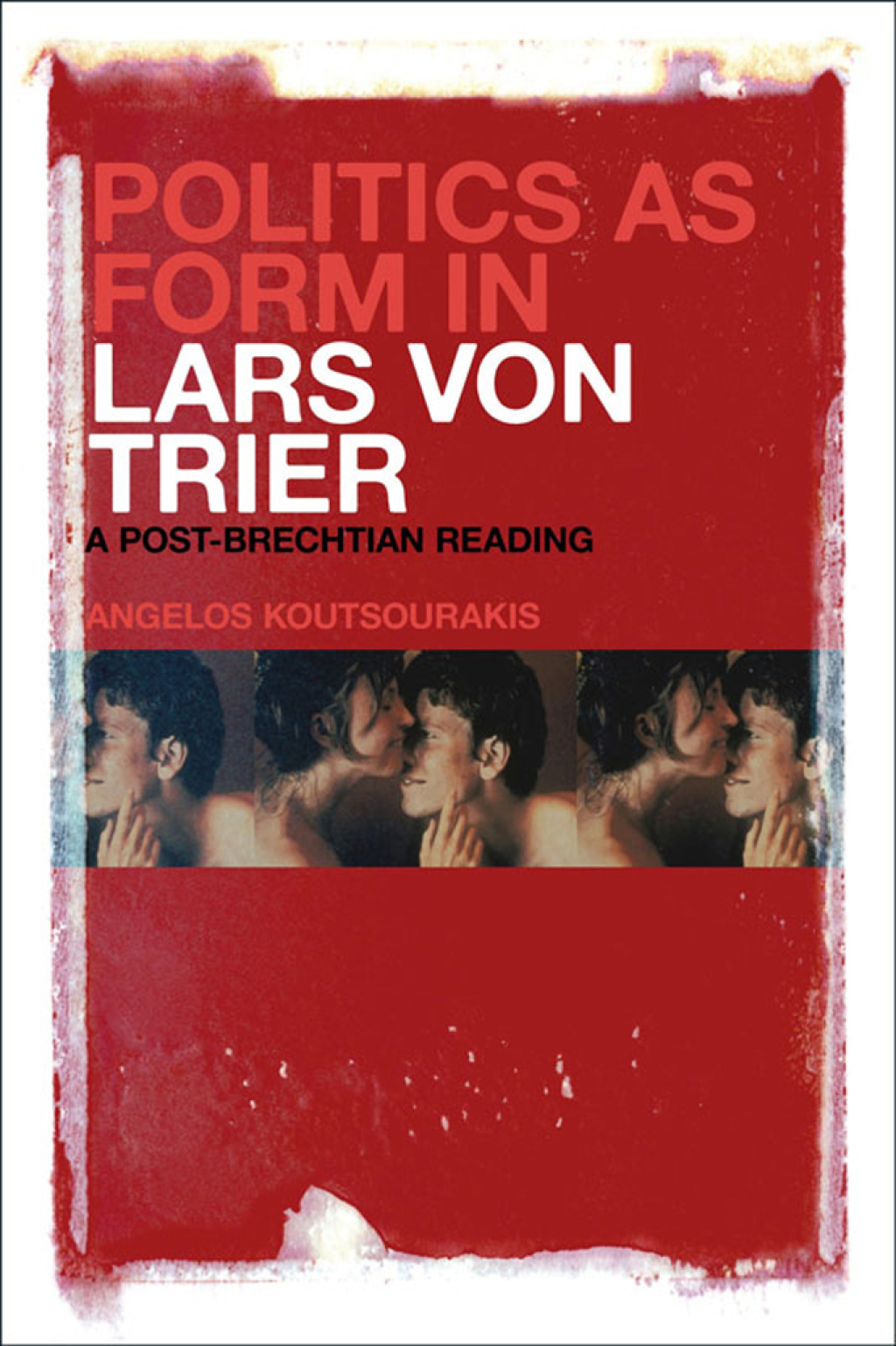

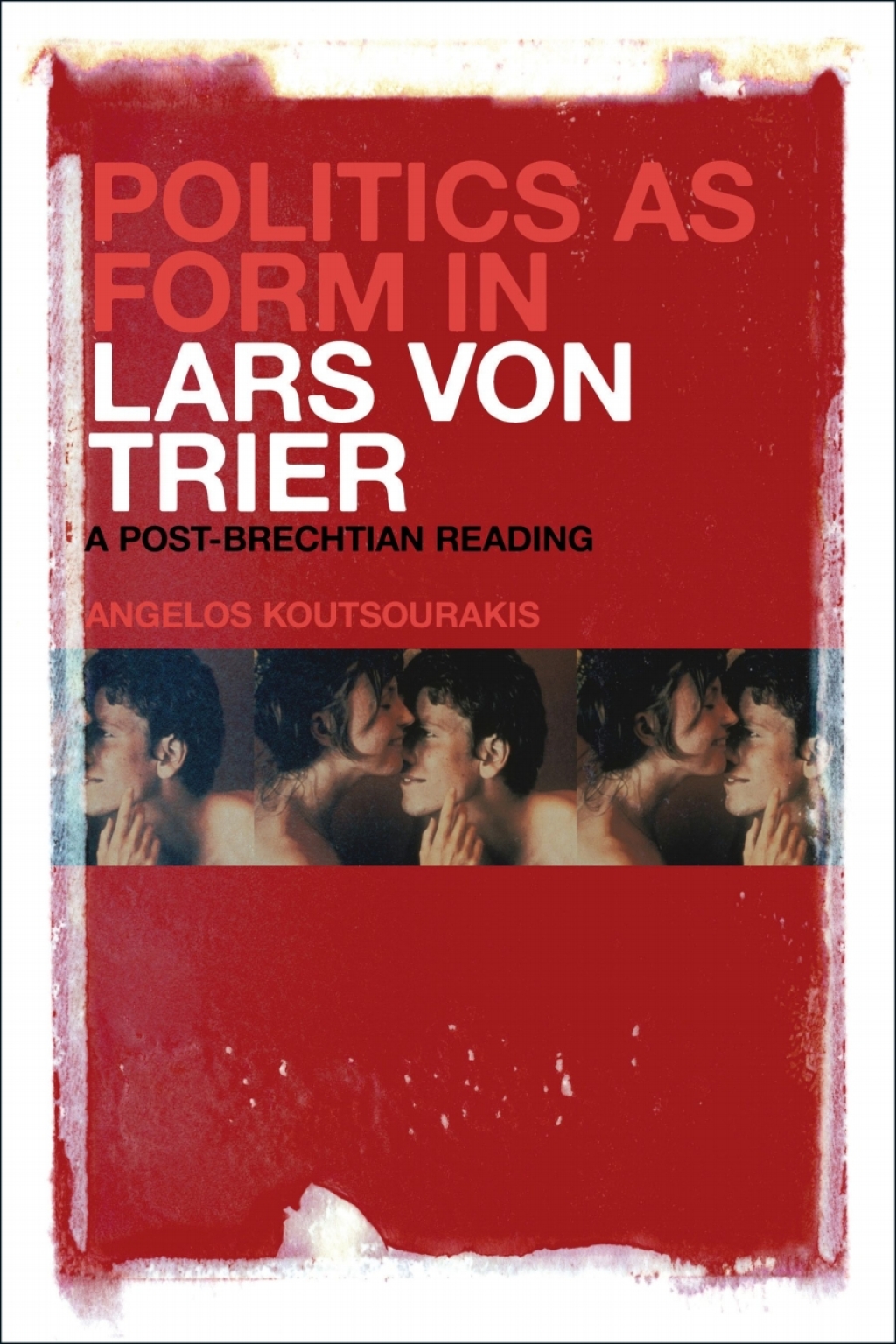
Politics as Form in Lars von Trier A Post-Brechtian Reading 1st Edition – PDF/EPUB Version Downloadable
$49.99
Author(s): Angelos Koutsourakis
Publisher: Bloomsbury Academic USA
ISBN: 9781501307690
Edition: 1st Edition
This is the first study that employs a materialist framework to discuss the political implications of form in the films of Lars von Trier. Focusing mainly on early films, Politics as Form in Lars von Trier identifies recurring formal elements in von Trier’s oeuvre and discusses the formal complexity of his films under the rubric of the post-Brechtian. Through an in depth formal analysis, the book shows that Brecht is more important to von Trier’s work than most critics acknowledge and deems von Trier a dialectical filmmaker. This study draws on many untranslated resources and features interviews with Lars von Trier and his mentor, the great Danish director Jørgen Leth.
Related products

Politics as Form in Lars von Trier A Post-Brechtian Reading 1st Edition – PDF/EPUB Version Downloadable
$49.99
Author(s): Angelos Koutsourakis
Publisher: Bloomsbury Academic USA
ISBN: 9781501307690
Edition: 1st Edition
This is the first study that employs a materialist framework to discuss the political implications of form in the films of Lars von Trier. Focusing mainly on early films, Politics as Form in Lars von Trier identifies recurring formal elements in von Trier’s oeuvre and discusses the formal complexity of his films under the rubric of the post-Brechtian. Through an in depth formal analysis, the book shows that Brecht is more important to von Trier’s work than most critics acknowledge and deems von Trier a dialectical filmmaker. This study draws on many untranslated resources and features interviews with Lars von Trier and his mentor, the great Danish director Jørgen Leth.