
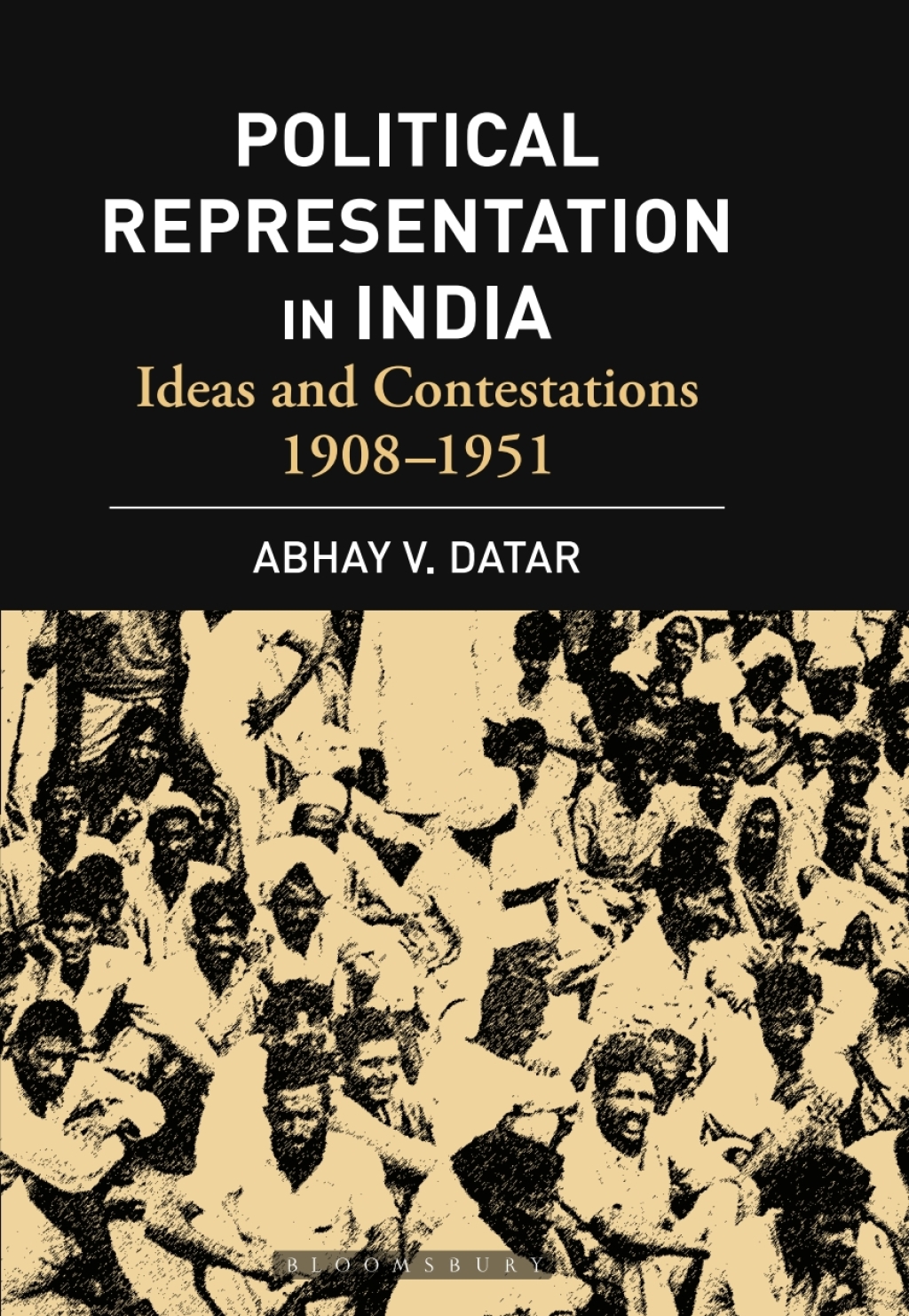
Political Representation In India Ideas and Contestations, 1908-1951 1st Edition – PDF/EPUB Version Downloadable
$49.99
Author(s): Abhay V Datar
Publisher: Bloomsbury India
ISBN: 9789389812541
Edition: 1st Edition
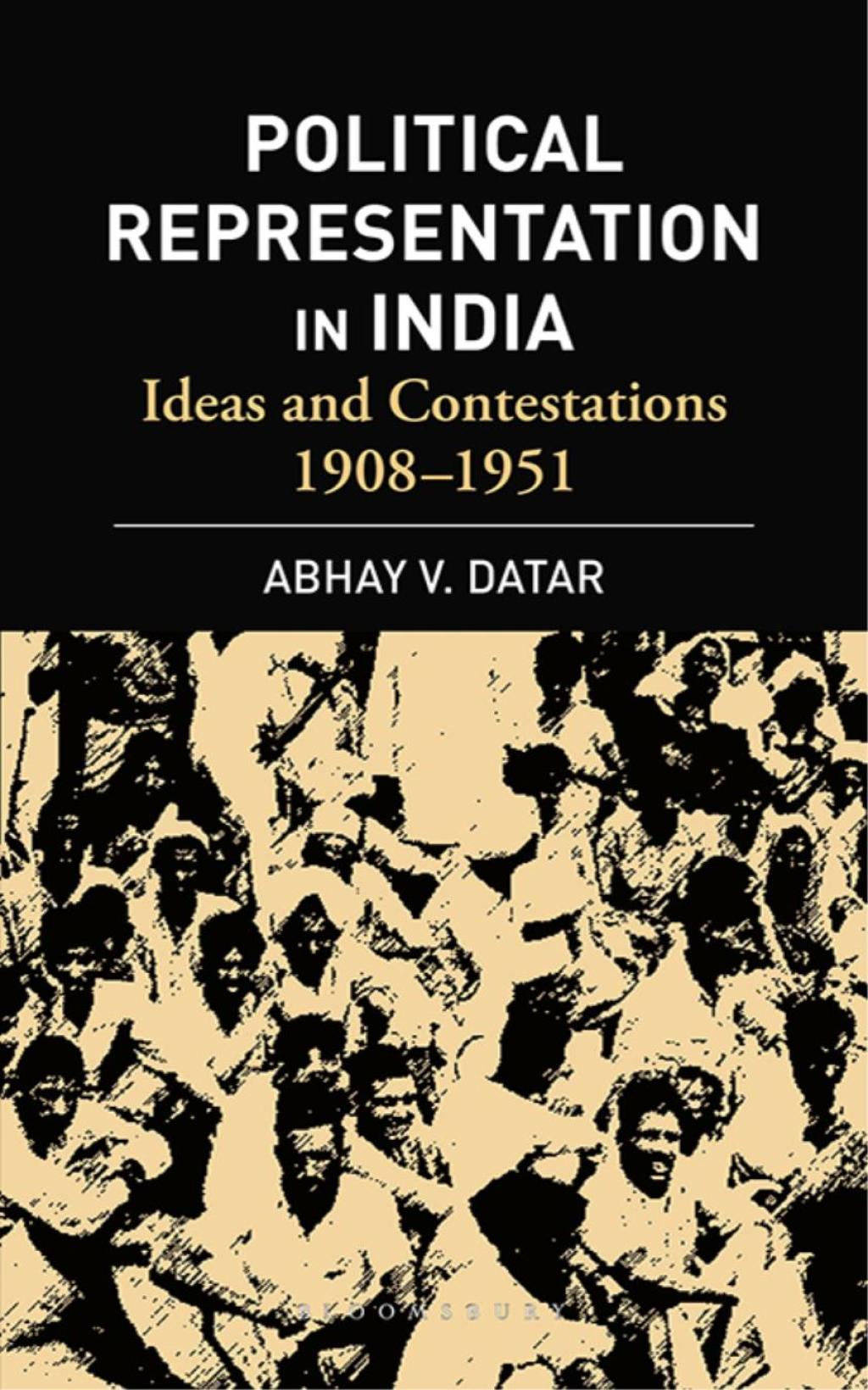
Political Representation in India: Ideas and Contestations, 1908–1952 maps extensive and wide-ranging debates, marked by contestations and strident demands on political representation in colonial India. Further, it explores these themes during the Constitution-framing process. These debates, previously overlooked, are significant for they helped shape the institutional structures of political representation in the form of the electoral system of Indian democracy. It assists in providing an answer to why and how independent India came to adopt its current electoral system characterised by the First-Past-The-Post (FPTP) system. It also analyses how and why the alternatives to FPTP, primarily any form of proportional representation, were rejected. Moreover, the book simultaneously provides a rich and detailed description of how communities, and religious, caste and ethnic categories came to be defined as their demands for political representation were conceded. It also briefly deals with the issue of delimitation of constituencies during the colonial and the immediate post-independence period.
Related products



Political Representation In India Ideas and Contestations, 1908-1951 1st Edition – PDF/EPUB Version Downloadable
$49.99
Author(s): Abhay V Datar
Publisher: Bloomsbury India
ISBN: 9789388271776
Edition: 1st Edition
Political Representation in India: Ideas and Contestations, 1908–1952 maps extensive and wide-ranging debates, marked by contestations and strident demands on political representation in colonial India. Further, it explores these themes during the Constitution-framing process. These debates, previously overlooked, are significant for they helped shape the institutional structures of political representation in the form of the electoral system of Indian democracy. It assists in providing an answer to why and how independent India came to adopt its current electoral system characterised by the First-Past-The-Post (FPTP) system. It also analyses how and why the alternatives to FPTP, primarily any form of proportional representation, were rejected. Moreover, the book simultaneously provides a rich and detailed description of how communities, and religious, caste and ethnic categories came to be defined as their demands for political representation were conceded. It also briefly deals with the issue of delimitation of constituencies during the colonial and the immediate post-independence period.
-1st-edition-%E2%80%93-pdfepub-version-downloadable-4292-c4gaw.jpg)