
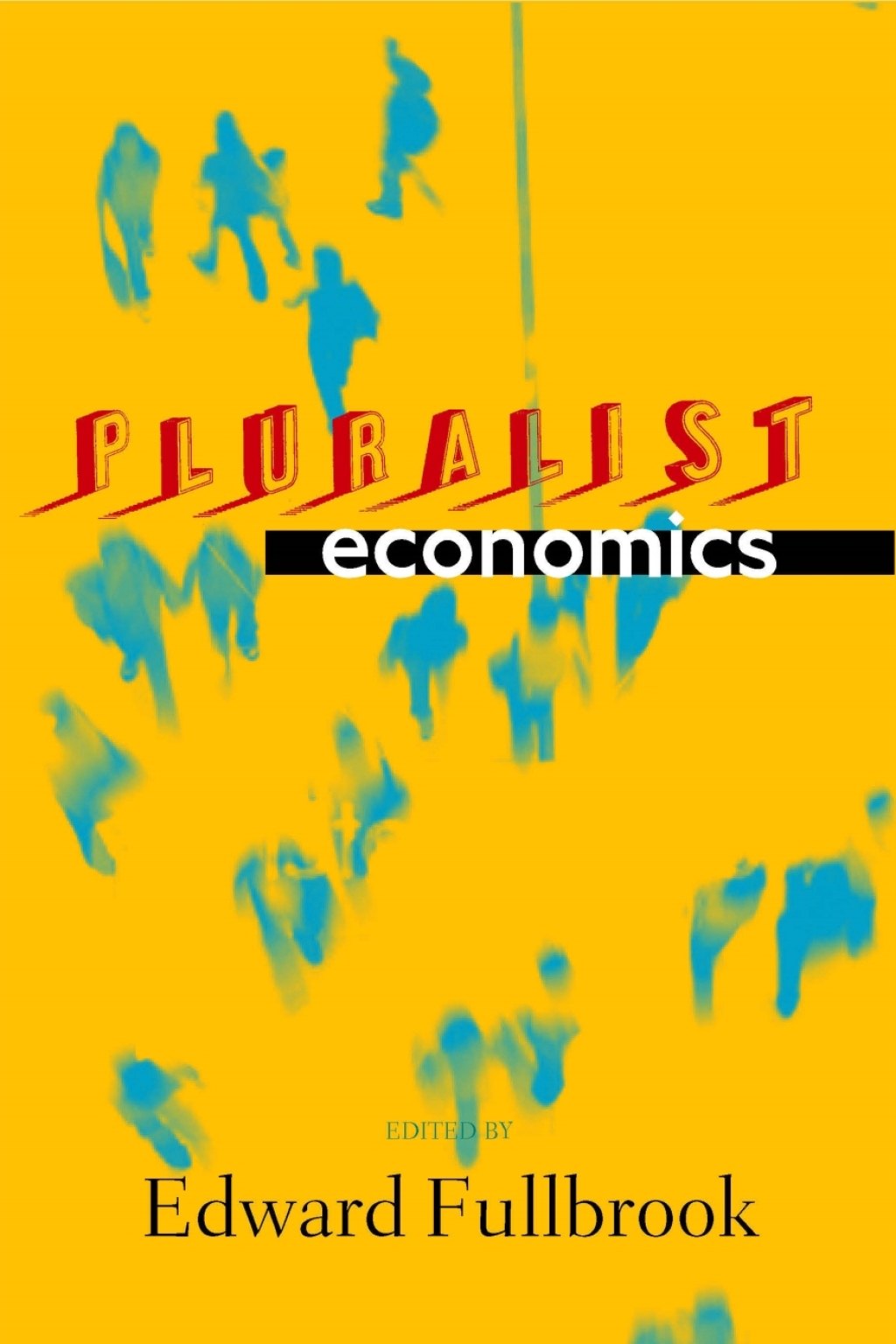

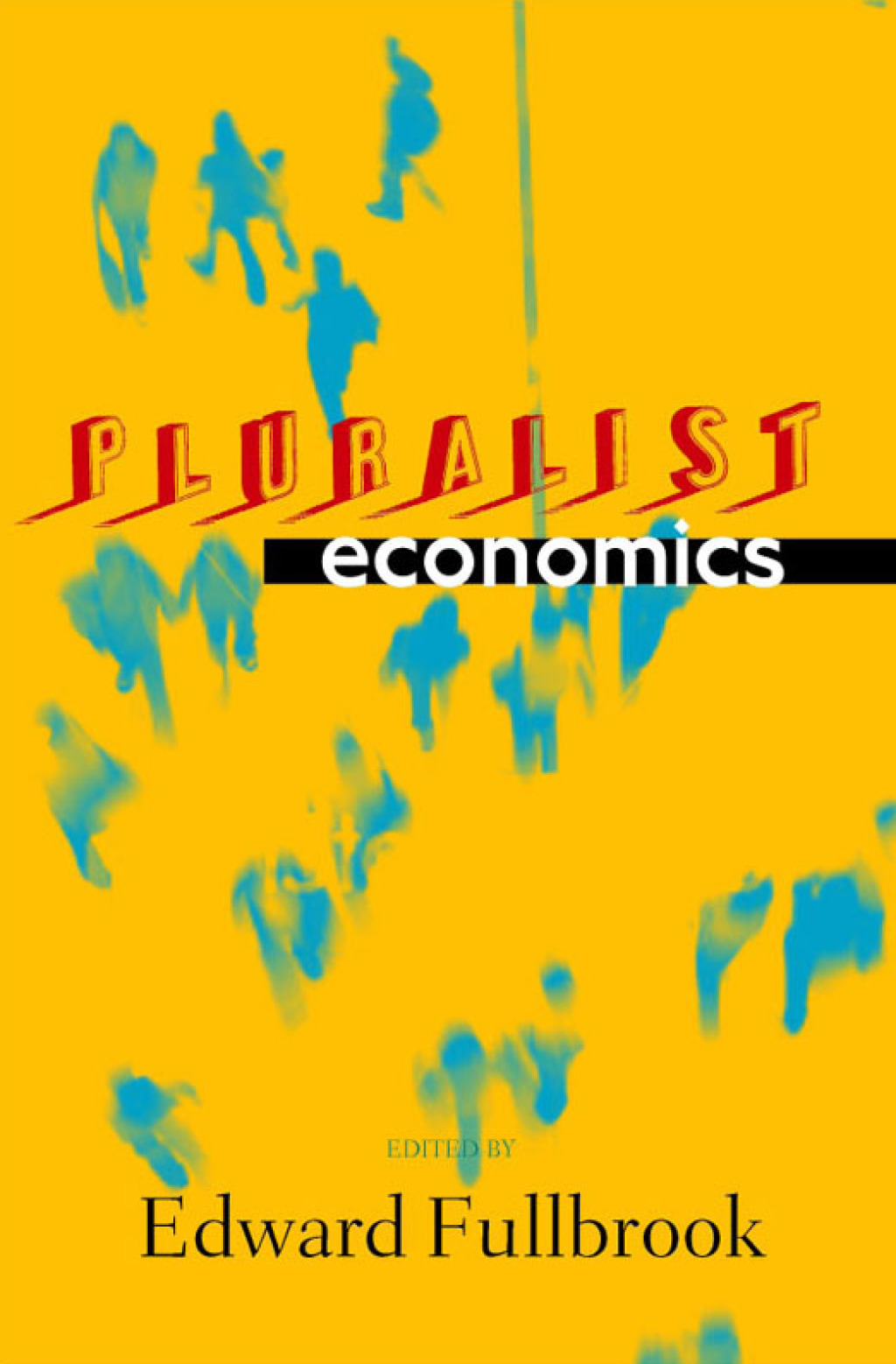
Pluralist Economics 1st Edition – PDF/EPUB Version Downloadable
$49.99
Author(s): Edward Fullbrook
Publisher: Zed Books
ISBN: 9781848130449
Edition: 1st Edition
This book is an authoritative and accessible guide to the pluralist movement threatening to revolutionise mainstream economics. Leading figures in the field explain why pluralism is a required virtue in economics, how it came to be blocked and what it means for the way we think about, research and teach economics. The first part of the book looks at how neoclassical economics gained its stranglehold, particularly in the United States, and how the social and intellectual underpinnings of economics have enabled it to maintain this in the face of inconsistent evidence from the real world. This is then contrasted with different approaches to pluralism. Pluralist Economics then goes on to address the array of arguments for establishing pluralism, showing how economics came to function as a concealed ideology and not as a science, and how value-free economics is an illusion. Finally, it addresses the practical problems presented by this different way of doing economics.
Related products




Pluralist Economics 1st Edition – PDF/EPUB Version Downloadable
$49.99
Author(s): Peter Earl
Publisher: Zed Books
ISBN: 9781848130449
Edition: 1st Edition
This book is an authoritative and accessible guide to the pluralist movement threatening to revolutionise mainstream economics. Leading figures in the field explain why pluralism is a required virtue in economics, how it came to be blocked and what it means for the way we think about, research and teach economics.
The first part of the book looks at how neoclassical economics gained its stranglehold, particularly in the United States, and how the social and intellectual underpinnings of economics have enabled it to maintain this in the face of inconsistent evidence from the real world. This is then contrasted with different approaches to pluralism. Pluralist Economics then goes on to address the array of arguments for establishing pluralism, showing how economics came to function as a concealed ideology and not as a science, and how value-free economics is an illusion. Finally, it addresses the practical problems presented by this different way of doing economics.
-1st-edition-%E2%80%93-pdfepub-version-downloadable-8741-yaq5g.jpg)