
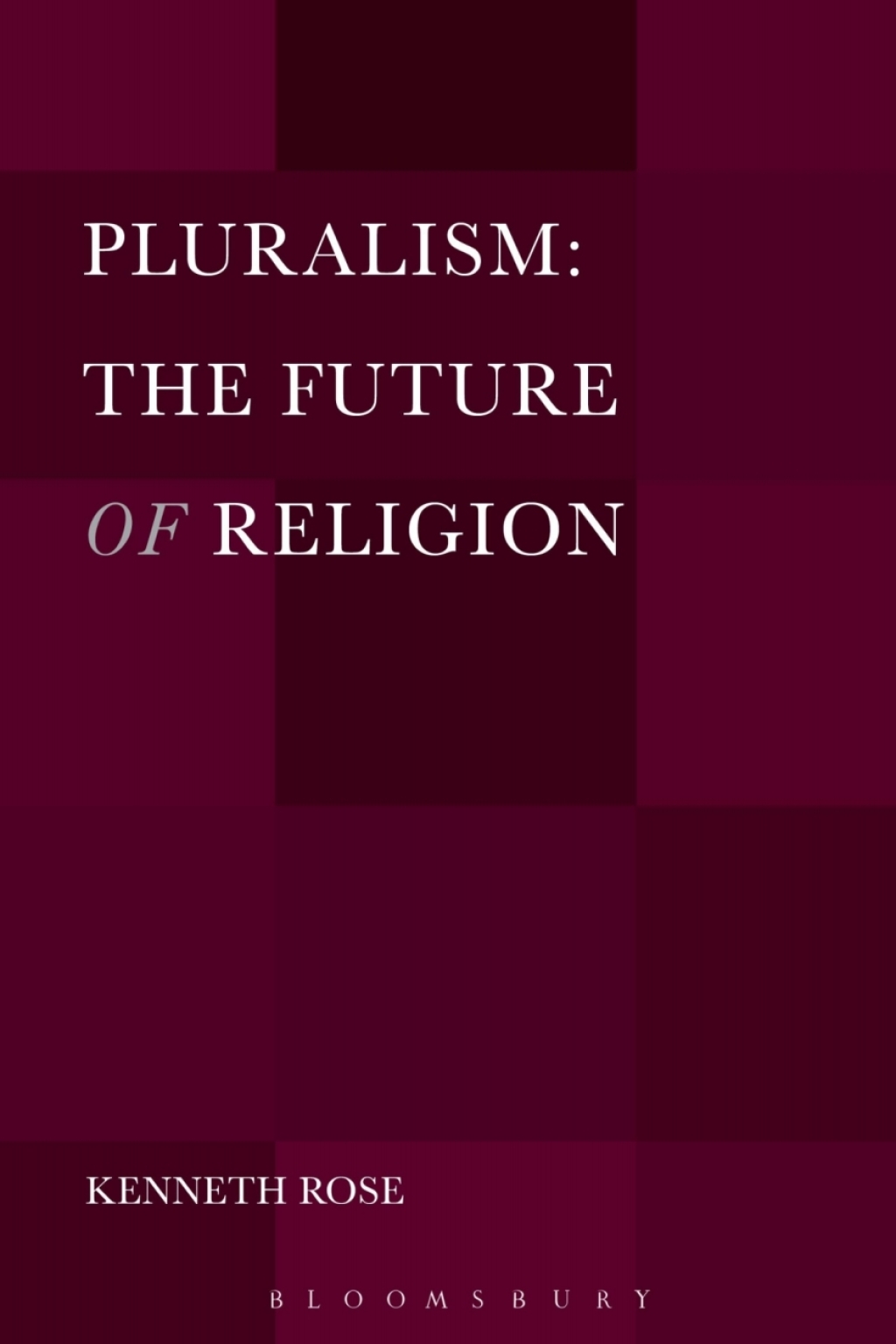
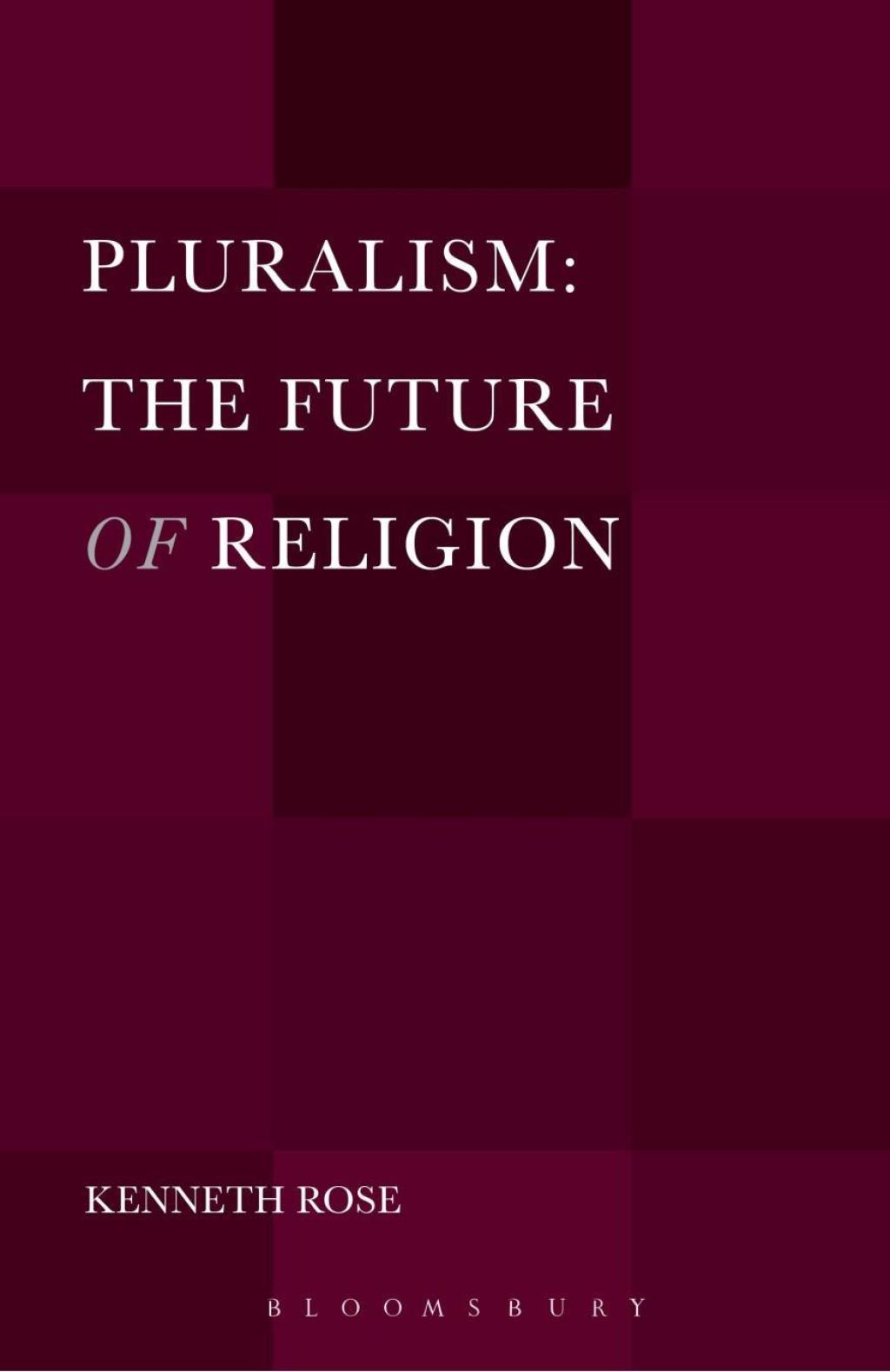
Pluralism: The Future of Religion 1st Edition – PDF/EPUB Version Downloadable
$49.99
Author(s): Kenneth Rose
Publisher: Bloomsbury Academic USA
ISBN: 9781628925265
Edition: 1st Edition
Theology of religions has defaulted in the last two decades to an epicyclic inclusivism which seeks to undermine pluralism with claims that it is covertly triumphalistic and that it mirrors the logic of exclusivism. With the exception of pioneers in the field such as John Hick and Paul Knitter, most major figures in this theological field have retreated from pluralism and promote versions of particularism and inclusivism. Pluralism: The Future of Religion argues for an apophatic pluralism that is motivated by the insight that it is impossible to secure universal assent for changeable bodies of religious teachings. This insight implies the non-finality and consequent ‘departicularization’ of all religious teachings and their inclusivistic defenses. These conclusions point us inevitably toward pluralism and lead us out of the inclusivistic impasse of contemporary theology in religions.
Related products
-1st-edition-%E2%80%93-pdfepub-version-downloadable-8741-yaq5g.jpg)
-1st-edition-%E2%80%93-pdfepub-version-downloadable-4292-c4gaw.jpg)





Pluralism: The Future of Religion 1st Edition – PDF/EPUB Version Downloadable
$49.99
Author(s): Kenneth Rose
Publisher: Bloomsbury Academic USA
ISBN: 9781628925265
Edition: 1st Edition
Theology of religions has defaulted in the last two decades to an epicyclic inclusivism which seeks to undermine pluralism with claims that it is covertly triumphalistic and that it mirrors the logic of exclusivism. With the exception of pioneers in the field such as John Hick and Paul Knitter, most major figures in this theological field have retreated from pluralism and promote versions of particularism and inclusivism. Pluralism: The Future of Religion argues for an apophatic pluralism that is motivated by the insight that it is impossible to secure universal assent for changeable bodies of religious teachings. This insight implies the non-finality and consequent ‘departicularization’ of all religious teachings and their inclusivistic defenses. These conclusions point us inevitably toward pluralism and lead us out of the inclusivistic impasse of contemporary theology in religions.