
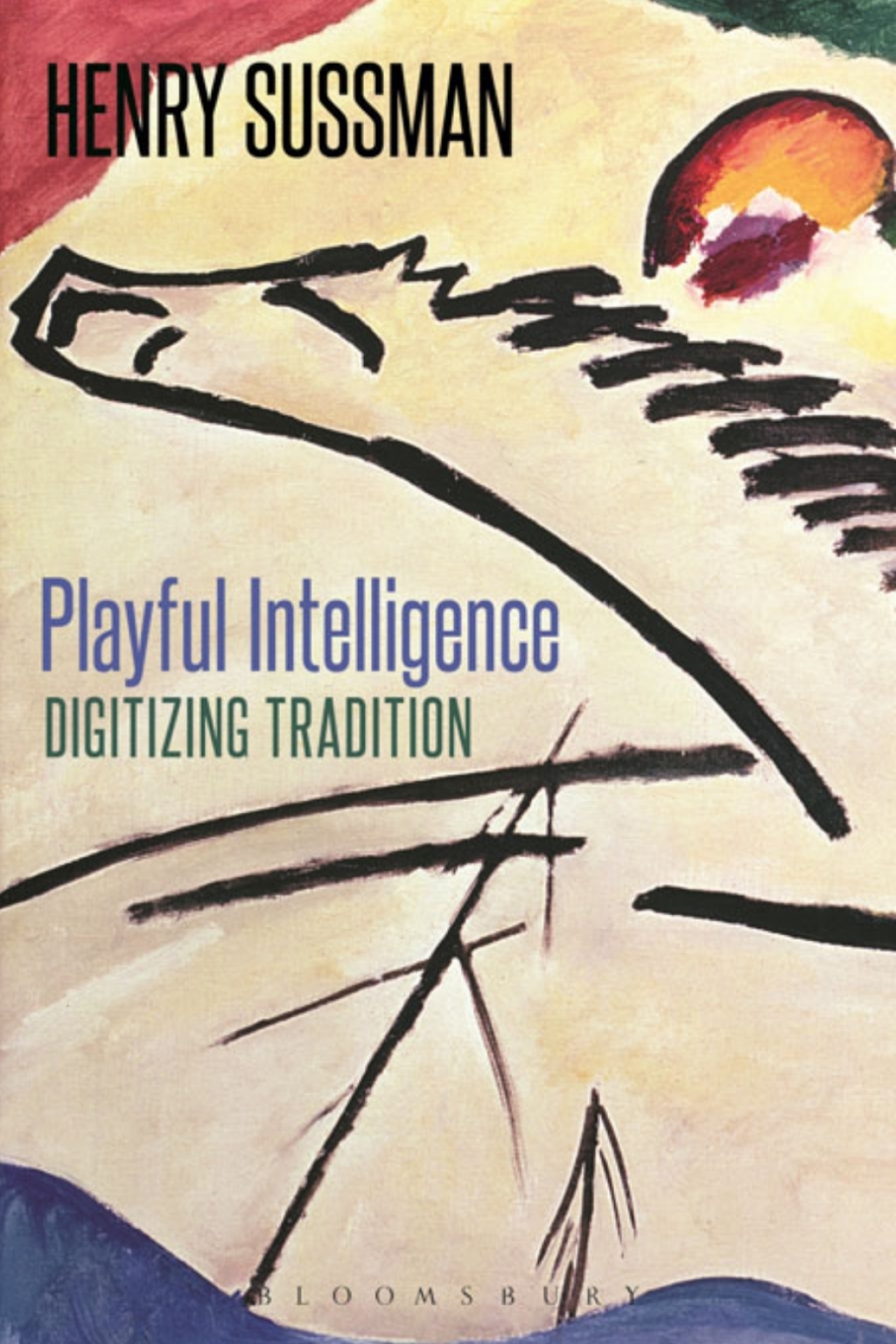
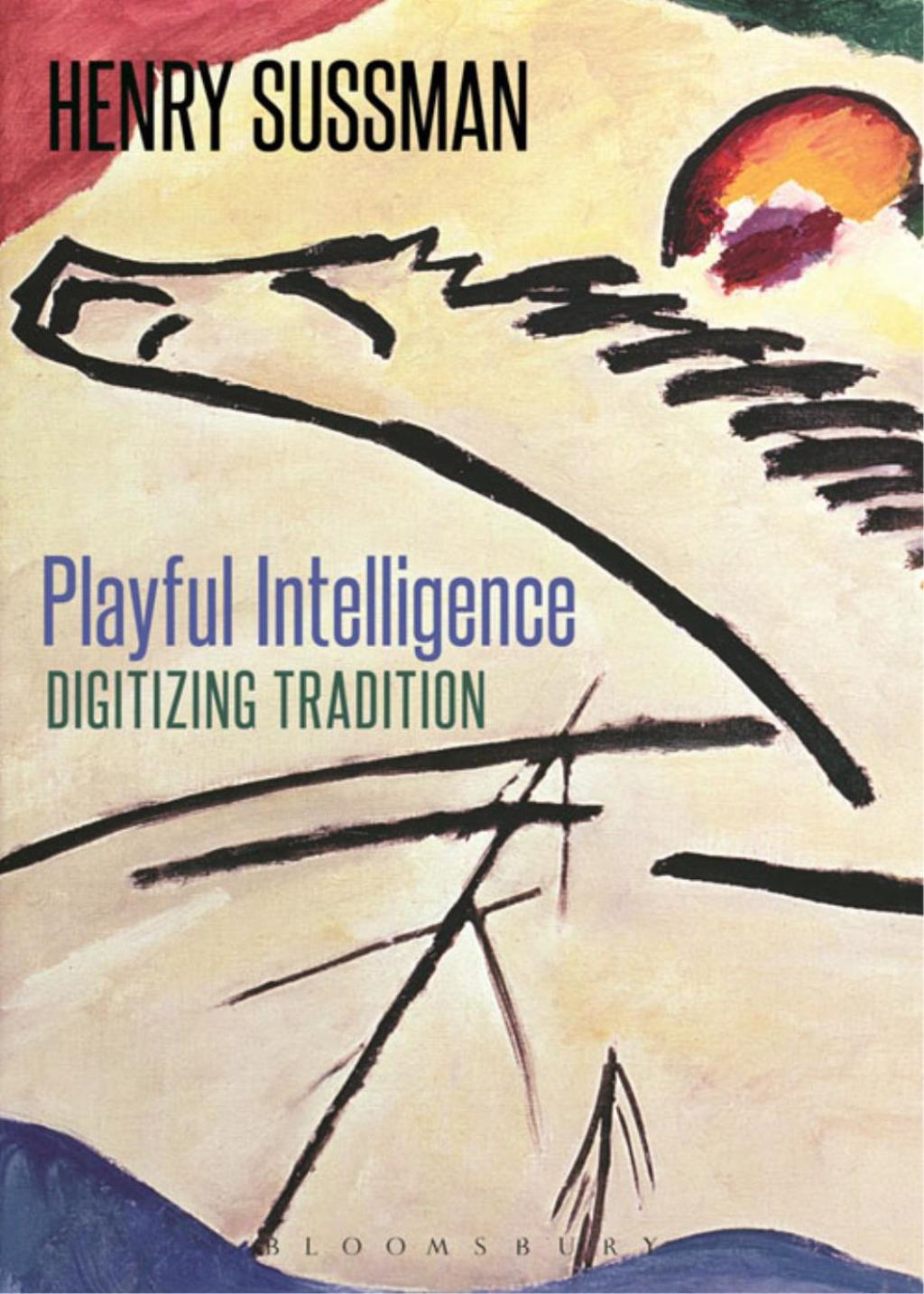
Playful Intelligence Digitizing Tradition 1st Edition – PDF/EPUB Version Downloadable
$49.99
Author(s): Henry Sussman
Publisher: Bloomsbury Academic
ISBN: 9781472568816
Edition: 1st Edition
This is a guide, in theory and in practice, to how current technological changes have impacted our interaction with texts and with each other. Henry Sussman rereads pivotal moments in literary, philosophical and cultural modernity as anticipating the cybernetic discourse that has increasingly defined theory since the computer revolution. Cognitive science, psychoanalysis and systems theory are paralleled to current trends in literary and philosophical theory. Chapters alternate between theory and readings of literary texts, resulting in a broad but rigorously grounded framework for the relation between literature and computer science. This book is a refreshing perspective on the analog-orientated tradition of theory in the humanities – and offers the first literary-textual genealogy of the digital.
Related products
-1st-edition-%E2%80%93-pdfepub-version-downloadable-8741-yaq5g.jpg)


Playful Intelligence Digitizing Tradition 1st Edition – PDF/EPUB Version Downloadable
$49.99
Author(s): Henry Sussman
Publisher: Bloomsbury Academic
ISBN: 9781472568816
Edition: 1st Edition
This is a guide, in theory and in practice, to how current technological changes have impacted our interaction with texts and with each other. Henry Sussman rereads pivotal moments in literary, philosophical and cultural modernity as anticipating the cybernetic discourse that has increasingly defined theory since the computer revolution. Cognitive science, psychoanalysis and systems theory are paralleled to current trends in literary and philosophical theory. Chapters alternate between theory and readings of literary texts, resulting in a broad but rigorously grounded framework for the relation between literature and computer science. This book is a refreshing perspective on the analog-orientated tradition of theory in the humanities – and offers the first literary-textual genealogy of the digital.