
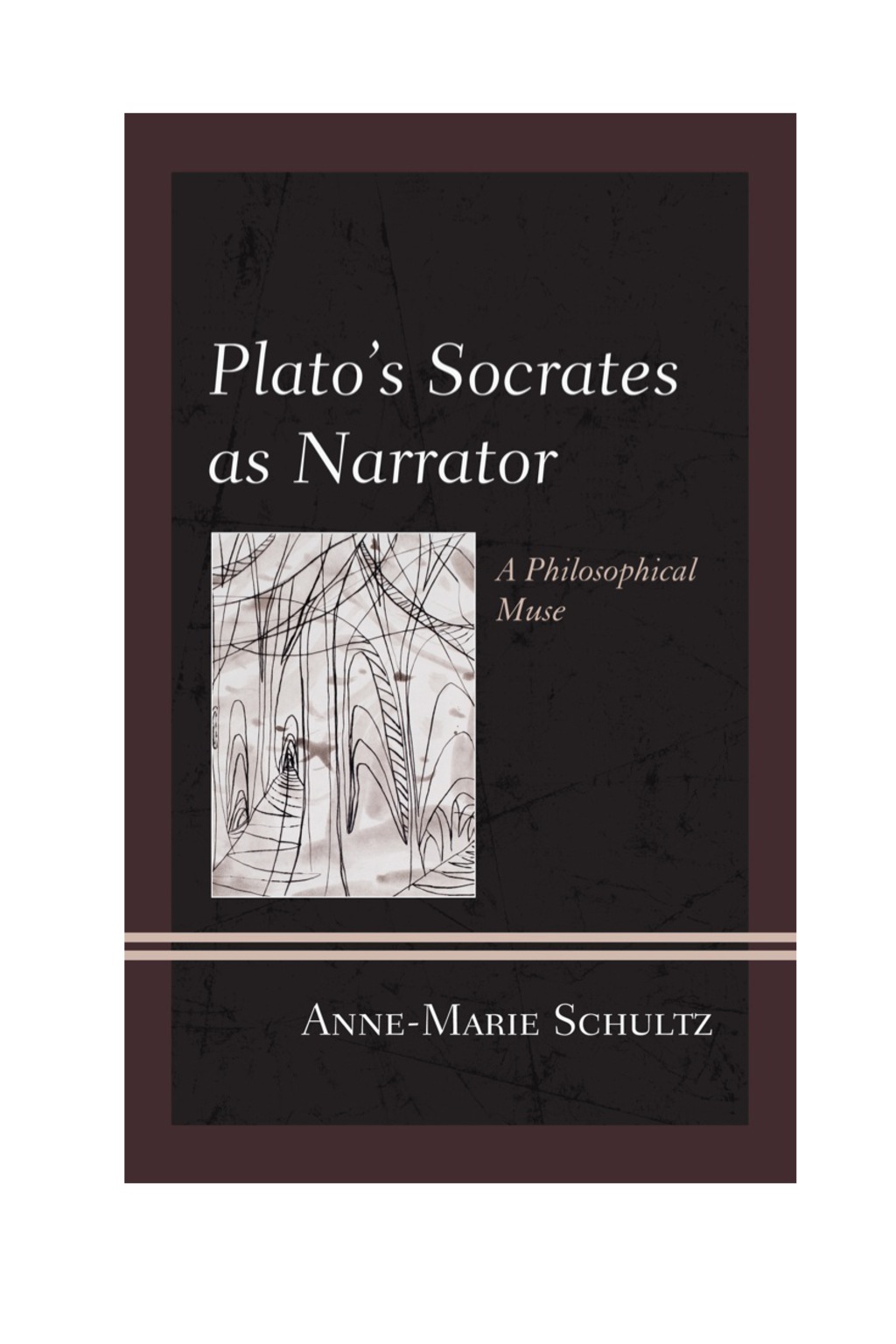
Plato’s Socrates as Narrator A Philosophical Muse 1st Edition – PDF/EPUB Version Downloadable
$49.99
Author(s): Anne-Marie Schultz
Publisher: Lexington Books
ISBN: 9780739183304
Edition: 1st Edition
This book explores Socrates’ role as narrator of the Lysis, Charmides, Protagoras, Euthydemus, and Republic. New insights about each dialogue emerge through careful attention to Socrates’ narrative commentary. These insights include a re-reading of the aporetic ending of the Lysis, a view of philosophy as a means of overcoming tyranny in the Charmides, a reconsideration of virtue in the Protagoras, an enhanced understanding of Crito in the Euthydemus, and an uncovering of two models of virtue cultivation (self-mastery and harmony) in the Republic. This book presents Socrates’ narrative commentary as a mechanism that illustrates how the emotions shape Socrates’ self-understanding, his philosophical exchanges with others, and his view of the Good. As a result, this book challenges the dominant interpretation of Socrates as an intellectualist. It offers a holistic vision of the practice of philosophy that we would do well to embrace in our contemporary world.
Related products
-1st-edition-%E2%80%93-pdfepub-version-downloadable-8741-yaq5g.jpg)



-1st-edition-%E2%80%93-pdfepub-version-downloadable-5925-zvlet.jpg)
Plato’s Socrates as Narrator A Philosophical Muse 1st Edition – PDF/EPUB Version Downloadable
$49.99
Author(s): Anne-Marie Schultz
Publisher: Lexington Books
ISBN: 9781498511278
Edition: 1st Edition
This book explores Socrates’ role as narrator of the Lysis, Charmides, Protagoras, Euthydemus, and Republic. New insights about each dialogue emerge through careful attention to Socrates’ narrative commentary. These insights include a re-reading of the aporetic ending of the Lysis, a view of philosophy as a means of overcoming tyranny in the Charmides, a reconsideration of virtue in the Protagoras, an enhanced understanding of Crito in the Euthydemus, and an uncovering of two models of virtue cultivation (self-mastery and harmony) in the Republic. This book presents Socrates’ narrative commentary as a mechanism that illustrates how the emotions shape Socrates’ self-understanding, his philosophical exchanges with others, and his view of the Good. As a result, this book challenges the dominant interpretation of Socrates as an intellectualist. It offers a holistic vision of the practice of philosophy that we would do well to embrace in our contemporary world.