
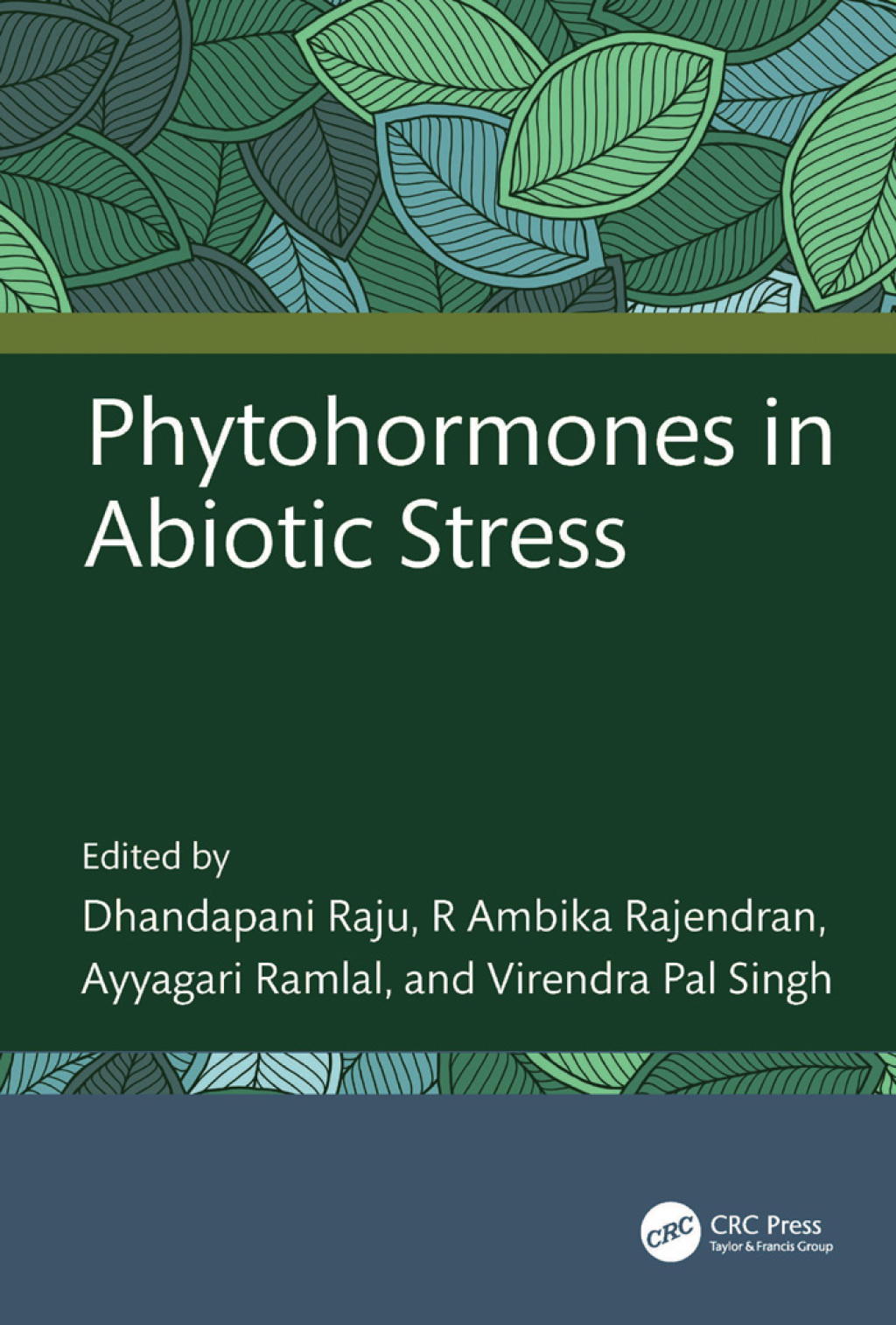

Phytohormones in Abiotic Stress 1st Edition – PDF/EPUB Version Downloadable
$49.99
Author(s):
Publisher: CRC Press
ISBN: 9781032371931
Edition: 1st Edition
Plants are continuously exposed to different environmental stresses that negatively impact their physiology and morphology, resulting in production reduction. As a result of constant pressure, plants evolve different mechanisms for sustenance and survival. Hormones play a major role in defences against the stresses and stimulate regulatory mechanisms. One of the ways through which they mitigate stress is via the production of hormones like auxins, ethylene, jasmonic acid, etc. The phytohormones help in signaling and enhance the chances of their survival. Plant hormones play many vital roles from integrating developmental events, physiological and biochemical processes to mediating both abiotic and biotic stresses. This book aims to highlight these issues and provide scope for the development of tolerance in crops against abiotic stresses to maximize yield for the growing population. There is an urgent need for the development of strategies, methods and tools for the broad-spectrum tolerance in plants supporting sustainable crop production under hostile environmental conditions. The salient features are as follows: • It includes both traditional and non-traditional phytohormones and focuses on the latest progress emphasizing the roles of different hormones under abiotic stresses. • It provides a scope of the best plausible and suitable options for overcoming these stresses and puts forward the methods for crop improvement. • It is an amalgamation of the biosynthesis of phytohormones and also provides molecular intricacies and signalling mechanisms in different abiotic stresses. • This book serves as a reference book for scientific investigators from recent graduates, academicians and researchers working on phytohormones and abiotic stresses.