
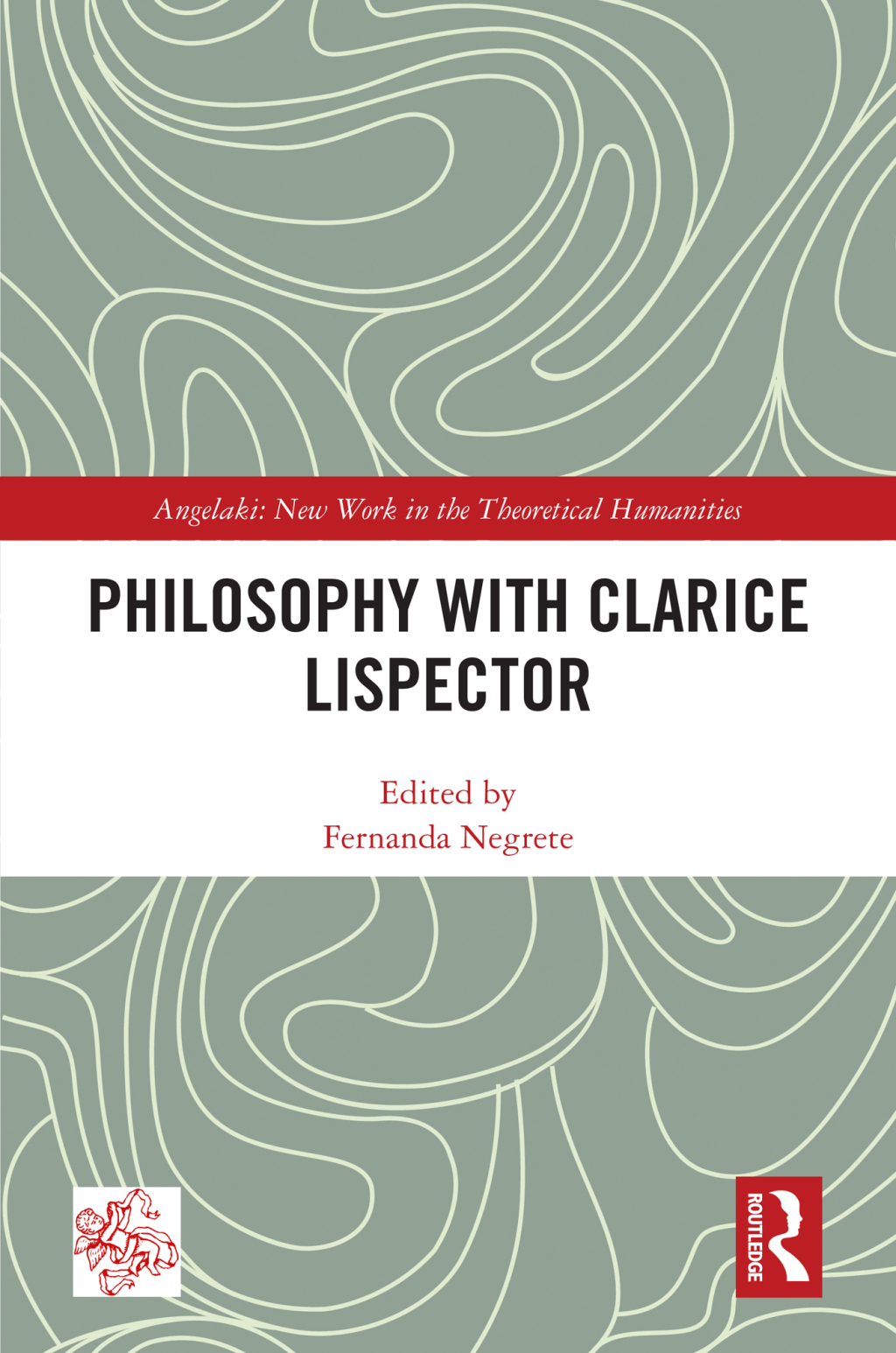
Philosophy with Clarice Lispector 1st Edition – PDF/EPUB Version Downloadable
$49.99
Author(s): Fernanda Negrete
Publisher: Routledge
ISBN: 9781032684505
Edition: 1st Edition
This book examines Clarice Lispector’s body of work, foregrounding its theoretical insights and exploring its philosophical questions, which are placed in conversation with a range of theoretical frameworks and approaches. Contributions to this volume engage with the philosophical dimension of one of the most important writers of the twentieth century. The book features essays by renowned and emerging philosophers and literary critics from multiple parts of the world, which examine Lispector’s different novels, chronicles, and short stories, acknowledging their inherent theoretical claims and placing them in contact with other relevant theoretical angles. They develop conversations between Lispector and well-known philosophers on questions of time, being, writing, and risk, and they also explore Lispector’s critiques of the human, the concept of woman, fertility, temporality, and the common binaries of life and death, and thought and feeling. This volume furthermore includes recent perspectives in psychoanalysis, ecofeminism, affect theory, theology, and black and decolonial studies, showing the generative effects of dialogue between these frameworks and Lispector’s writing. Philosophy with Clarice Lispector will interest humanities scholars and graduate students who seek philosophical approaches to literary studies and literary perspectives on gender and sexuality studies, theology, and criticism and theory. It will engage readers in pursuit of transdisciplinary methods and creative explorations of Clarice Lispector’s writing that disclose her contribution to the ideas of established philosophers. The book was originally published as a special issue of Angelaki.