
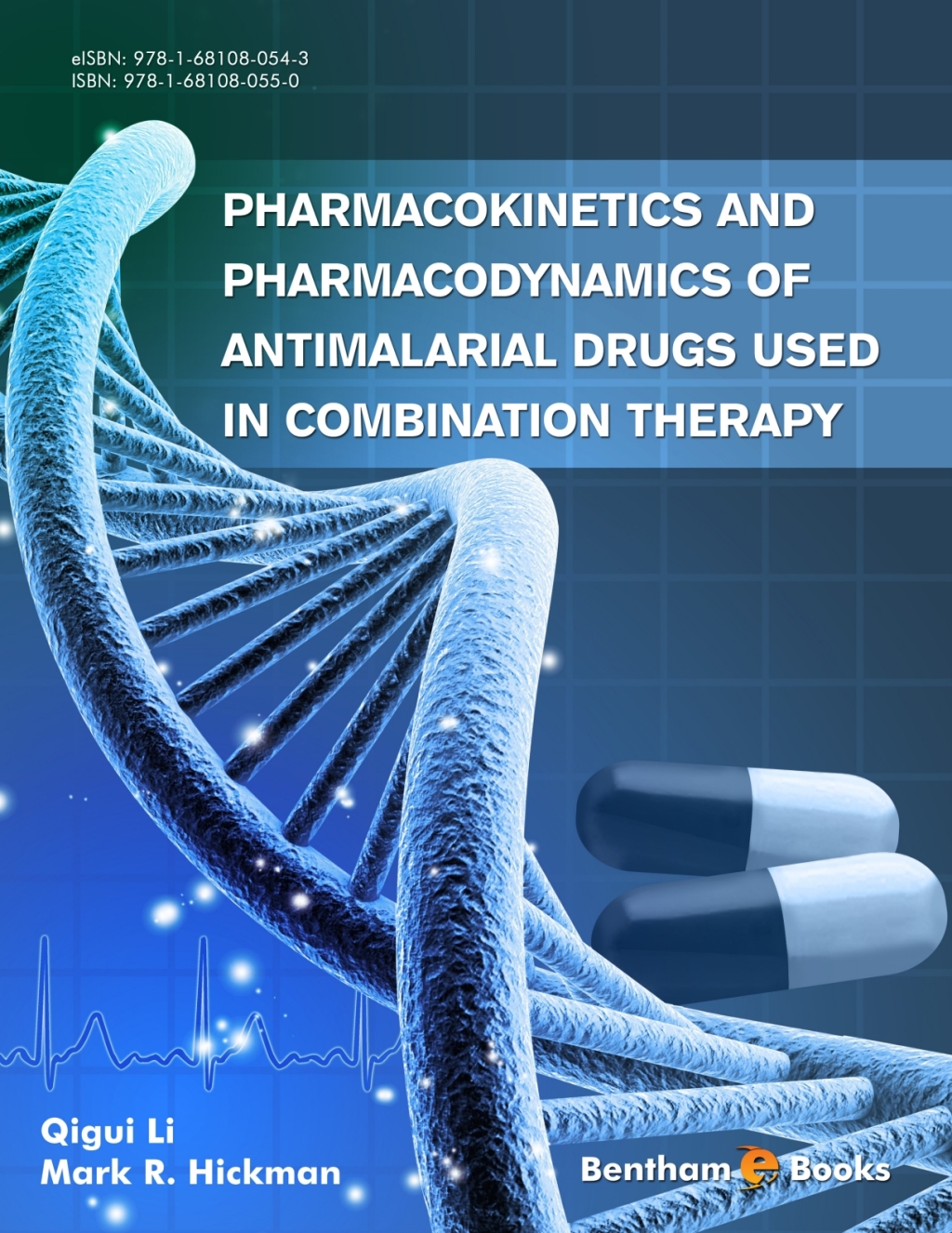
Pharmacokinetics and Pharmacodynamics of Antimalarial Drugs Used in Combination Therapy 1st Edition – PDF/EPUB Version Downloadable
$49.99
Author(s): Qigui Li, Mark R. Hickman
Publisher: Bentham Science
ISBN: 9781681080550
Edition: 1st Edition
Malaria takes a great toll on human health and well-being, particularly in tropical regions including Sub-Saharan Africa, Southeast Asia, Oceania and parts of the Americas. In recent years, some Plasmodium strains have become increasingly resistant to all classes of conventional antimalarial drugs currently in use. Researchers have, therefore, stepped up efforts to revise antimalarial drug policies, develop new drugs, and implement new strategies to combat this disease. In order to prevent widespread resistance, antimalarial combination therapies (ACTs) have been deployed and a Worldwide Antimalarial Resistance Network has been established as a means of antimalarial drug resistance surveillance. Artemisinin-based combination therapies have proven to be useful as a replacement for standard regimens. Currently, these ACTs successfully cure patients suffering from uncomplicated malaria with superior efficacy and lower toxicity, but there remains a huge challenge (high mortality rate) associated with treatment of severe malaria. Studies of drug disposition and drug efficacy (PK/PD evaluations) are essential to understanding why drugs work as antimalarials as they illustrate issues with drug disposition, drug resistance, drug safety and drug toxicity that are critical to finding the appropriate drug dose for patients and the proper choice of drug partners for combination therapy.
This eBook illustrates how currently available combination antimalarial drugs can be optimized for effective malaria treatment and deterring resistance. Chapters in this book explain methods to select combination drugs based on PK/PD evaluations followed by methods to reduce drug toxicity based on these evaluations. The book also summarizes efforts that are being made by the research community to improve ACT drug combinations. It is, therefore, a handy reference for medical professionals and pharmacologists working on antimalarial drugs.
-1st-edition-%E2%80%93-pdfepub-version-downloadable-8741-yaq5g.jpg)