
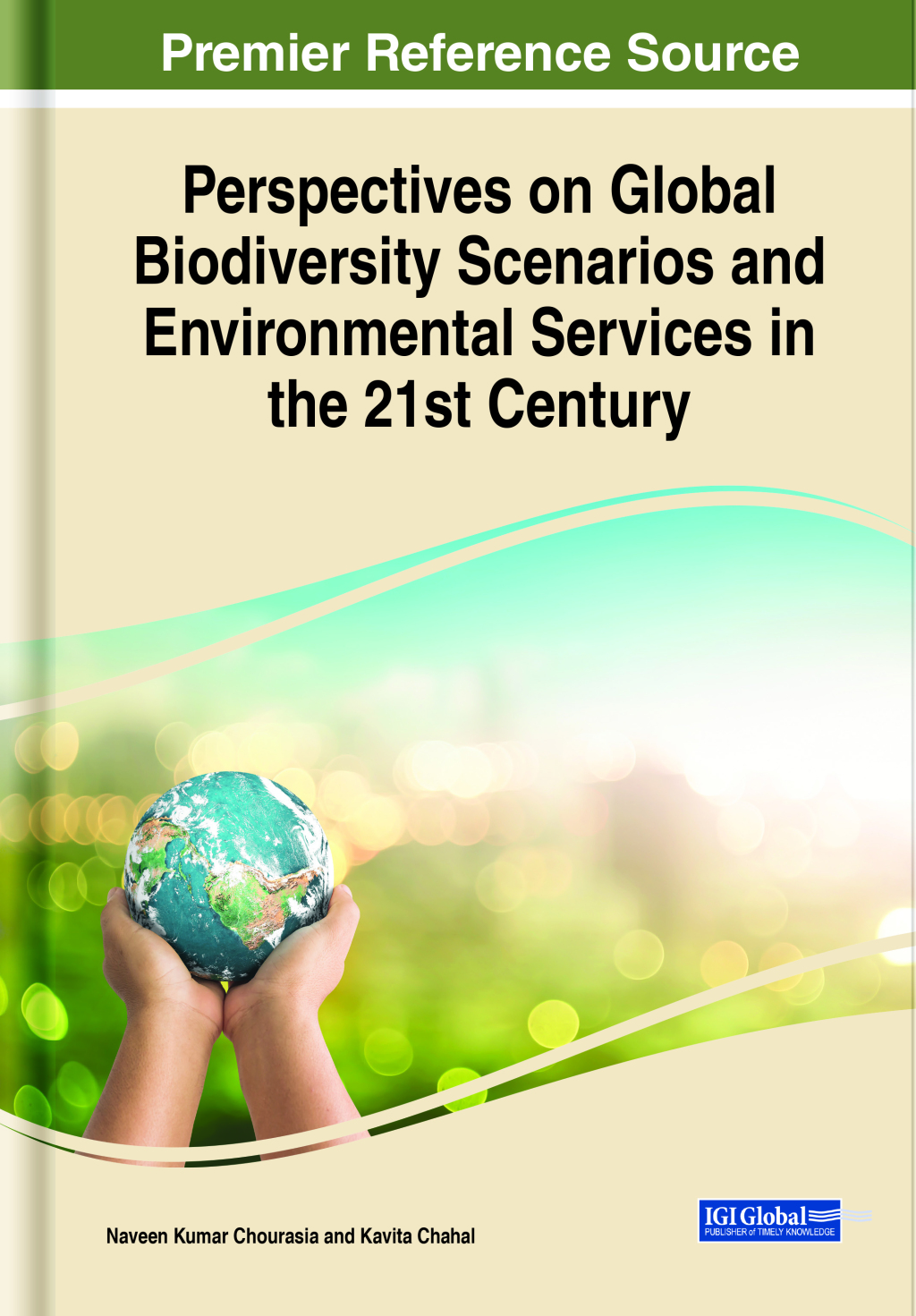

Perspectives on Global Biodiversity Scenarios and Environmental Services in the 21st Century – PDF/EPUB Version Downloadable
$49.99
Author(s): Chourasia Naveen
Publisher: Engineering Science Reference
ISBN: 9781668490341
Edition:
Quantitative models are increasingly being used to assess the impact of socioeconomic development pathways on biodiversity and environmental services. Regardless of the scenario, the decline of biodiversity will continue throughout the 21st century. Land-use changes drive biodiversity changes in terrestrial systems, while overfishing drives changes in marine systems, and climate change affects all realms. The loss of habitats will lead to local population decreases, and global extinctions will occur at unpredictable rates due to the lag between environmental changes and their effects. To address this, we need to focus more on the relationship between the decline of ecosystem services and the position of species responsible for that function in the trophic hierarchy. Perspectives on Global Biodiversity Scenarios and Environmental Services in the 21st Century makes biodiversity scenarios understandable, relevant, and valuable to stakeholders by using effective language and focused communication techniques. Instead of merely showing the potential effects of global change on biodiversity, scenarios should consider the feedback connecting environmental forces. Biodiversity provides numerous essential environmental services crucial to human well-being both now and in the future. The climate is a critical component of ecosystem functioning and directly and indirectly affects human health. The target audience includes biology and environmental science students and faculty, scientists, social workers who generate and collaborate on biodiversity scenarios, policymakers, and corporations with a basic science understanding.