
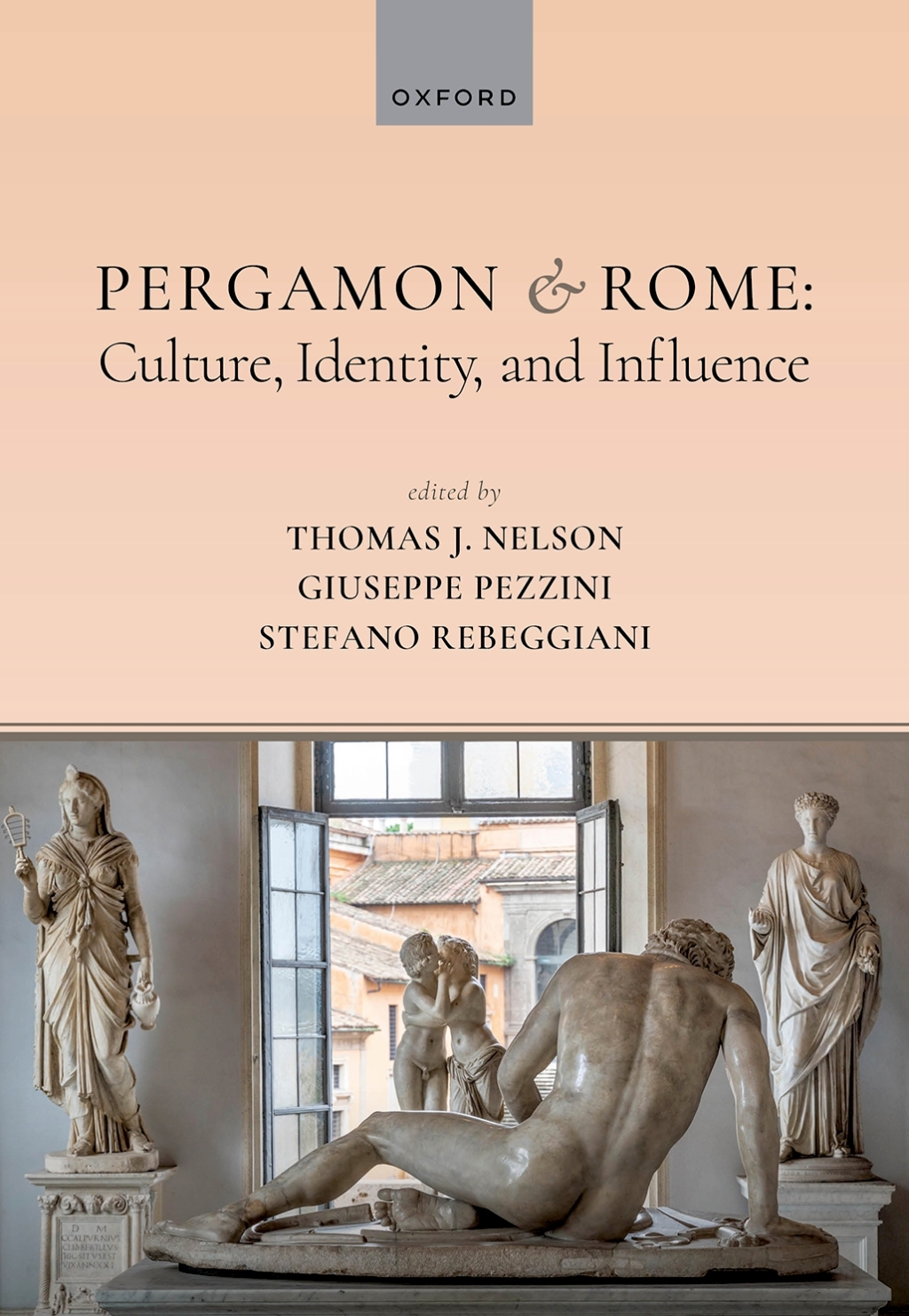


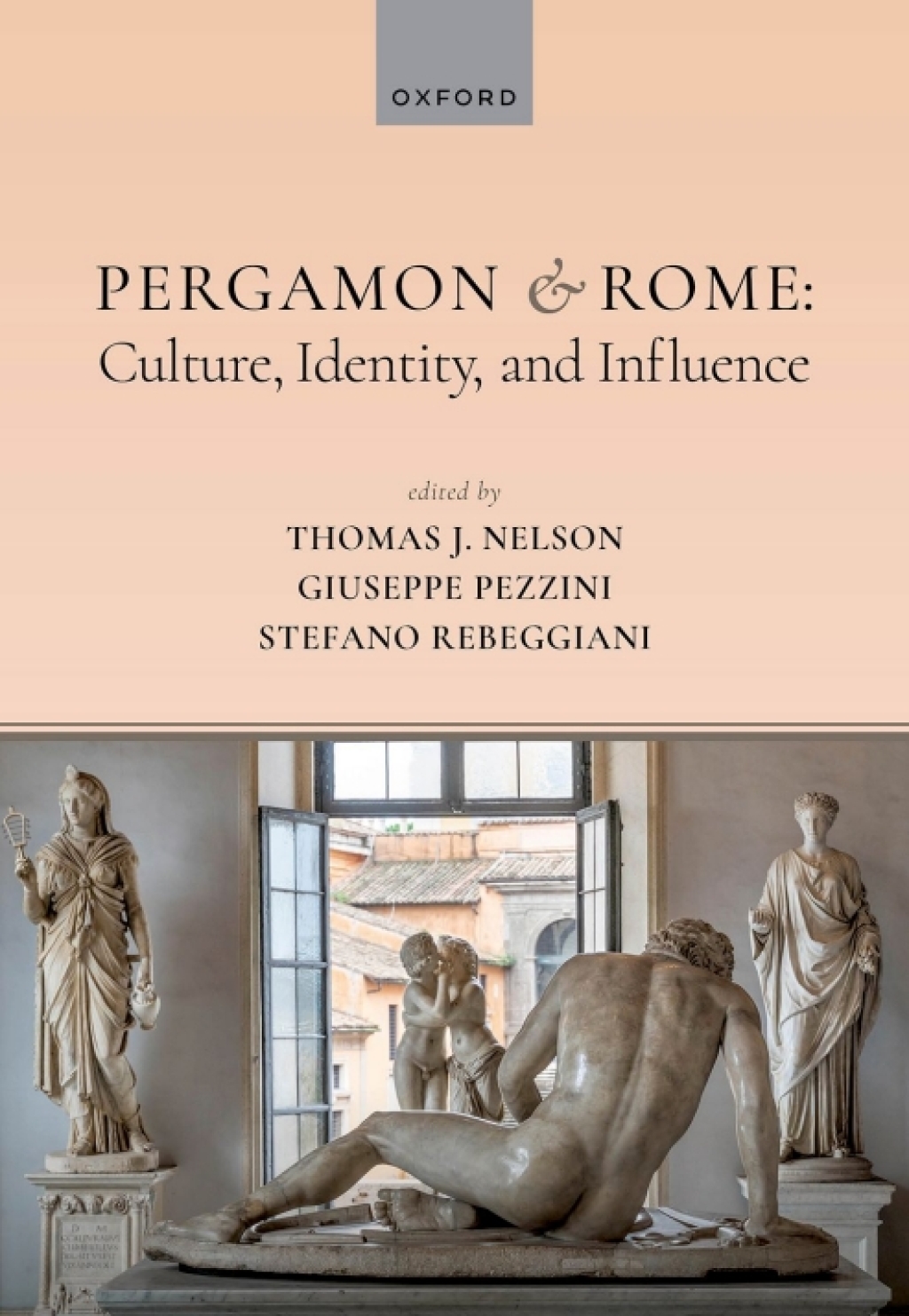
Pergamon and Rome: Culture, Identity, and Influence 1st Edition – PDF/EPUB Version Downloadable
$49.99
Author(s): Thomas J. Nelson, Giuseppe Pezzini, Stefano Rebeggiani
Publisher: OUP Oxford
ISBN: 9780198912040
Edition: 1st Edition
This interdisciplinary volume provides the first comprehensive study of Rome’s relationship with the kingdom and city of Pergamon. It surveys the rich and diverse interactions between these two cities from the late third century BCE to the fourth century CE, ranging across multiple cultural spheres (including art and architecture, history and politics, literature and poetry, philosophy and thought, scholarship and rhetoric). The book reassesses the nature, scope, and extent of Pergamon and Rome’s so-called ‘special relationship’, shedding light on much-discussed problems, offering new evidence for their cultural interactions, and questioning long-established assumptions.
One recurrent theme concerns the limitations of our knowledge: extant evidence is limited and often skewed by later Roman sources, and it is frequently very difficult to identify and define cultural features that are distinctively ‘Pergamene’. Nevertheless, there was certainly an important relationship between these two cities, which this volume seeks to map out with greater nuance, precision, and breadth, setting it within a wider interconnected Hellenistic context. As a whole, the volume reflects on the scholarly reception of Pergamon, uncovering how and when a certain view of a cohesive ‘Pergamene culture’ took shape among modern scholarship and what factors, prejudices, and assumptions undergirded its creation. It also challenges and rethinks the frameworks that shape our view of cultural activity in the Hellenistic world, emphasizing the porousness of cultural movements across political boundaries. This book will be of interest not only to scholars of Roman culture, but also to those interested in the impact of Hellenistic culture on Rome more generally and to scholars engaged with theories and models of cultural influence.
Related products
-1st-edition-%E2%80%93-pdfepub-version-downloadable-4292-c4gaw.jpg)





Pergamon and Rome: Culture, Identity, and Influence 1st Edition – PDF/EPUB Version Downloadable
$49.99
Author(s): Thomas J. Nelson, Giuseppe Pezzini, Stefano Rebeggiani
Publisher: OUP Oxford
ISBN: 9780198912040
Edition: 1st Edition
This interdisciplinary volume provides the first comprehensive study of Rome’s relationship with the kingdom and city of Pergamon. It surveys the rich and diverse interactions between these two cities from the late third century BCE to the fourth century CE, ranging across multiple cultural spheres (including art and architecture, history and politics, literature and poetry, philosophy and thought, scholarship and rhetoric). The book reassesses the nature, scope, and extent of Pergamon and Rome’s so-called ‘special relationship’, shedding light on much-discussed problems, offering new evidence for their cultural interactions, and questioning long-established assumptions.
One recurrent theme concerns the limitations of our knowledge: extant evidence is limited and often skewed by later Roman sources, and it is frequently very difficult to identify and define cultural features that are distinctively ‘Pergamene’. Nevertheless, there was certainly an important relationship between these two cities, which this volume seeks to map out with greater nuance, precision, and breadth, setting it within a wider interconnected Hellenistic context. As a whole, the volume reflects on the scholarly reception of Pergamon, uncovering how and when a certain view of a cohesive ‘Pergamene culture’ took shape among modern scholarship and what factors, prejudices, and assumptions undergirded its creation. It also challenges and rethinks the frameworks that shape our view of cultural activity in the Hellenistic world, emphasizing the porousness of cultural movements across political boundaries. This book will be of interest not only to scholars of Roman culture, but also to those interested in the impact of Hellenistic culture on Rome more generally and to scholars engaged with theories and models of cultural influence.