
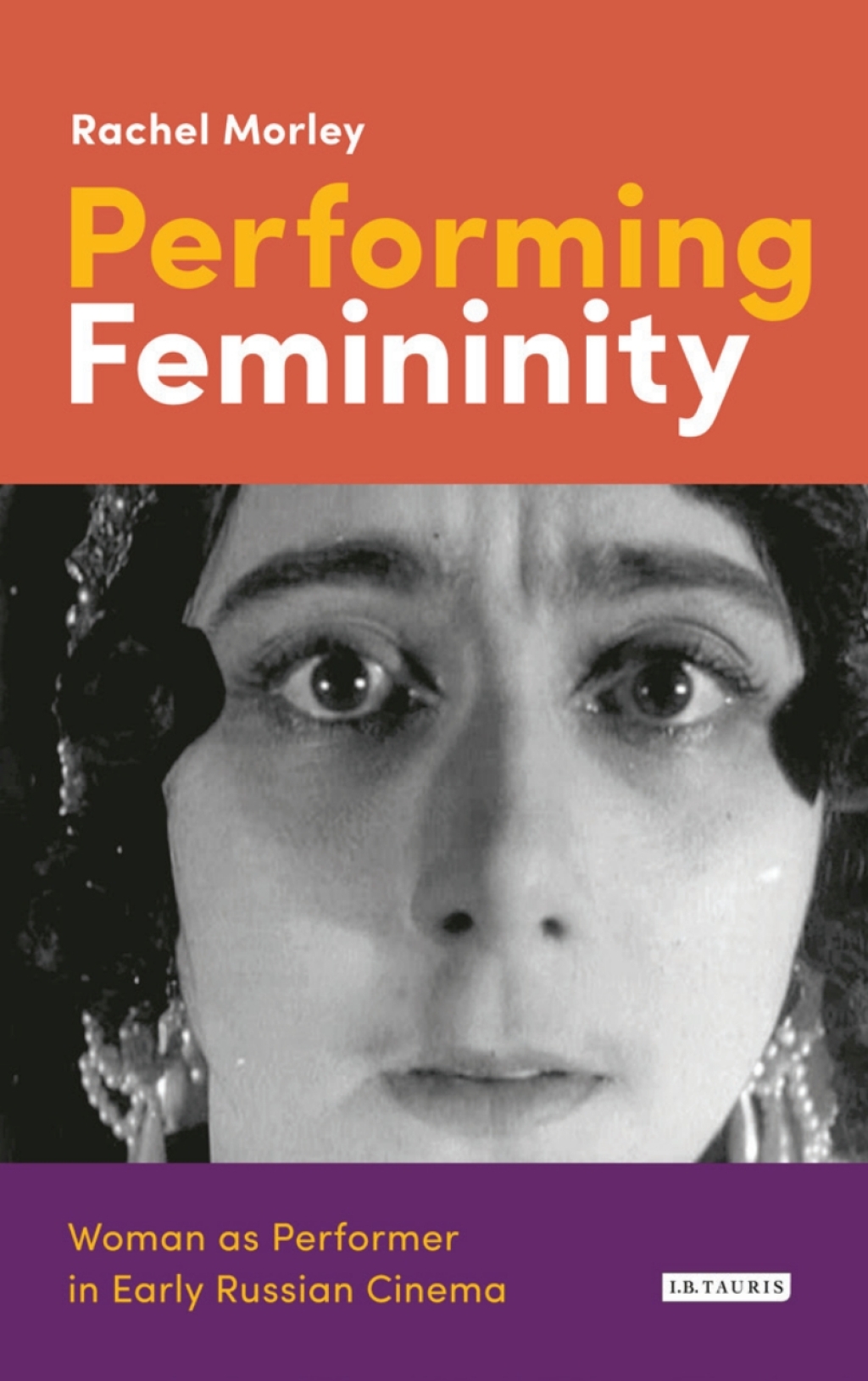
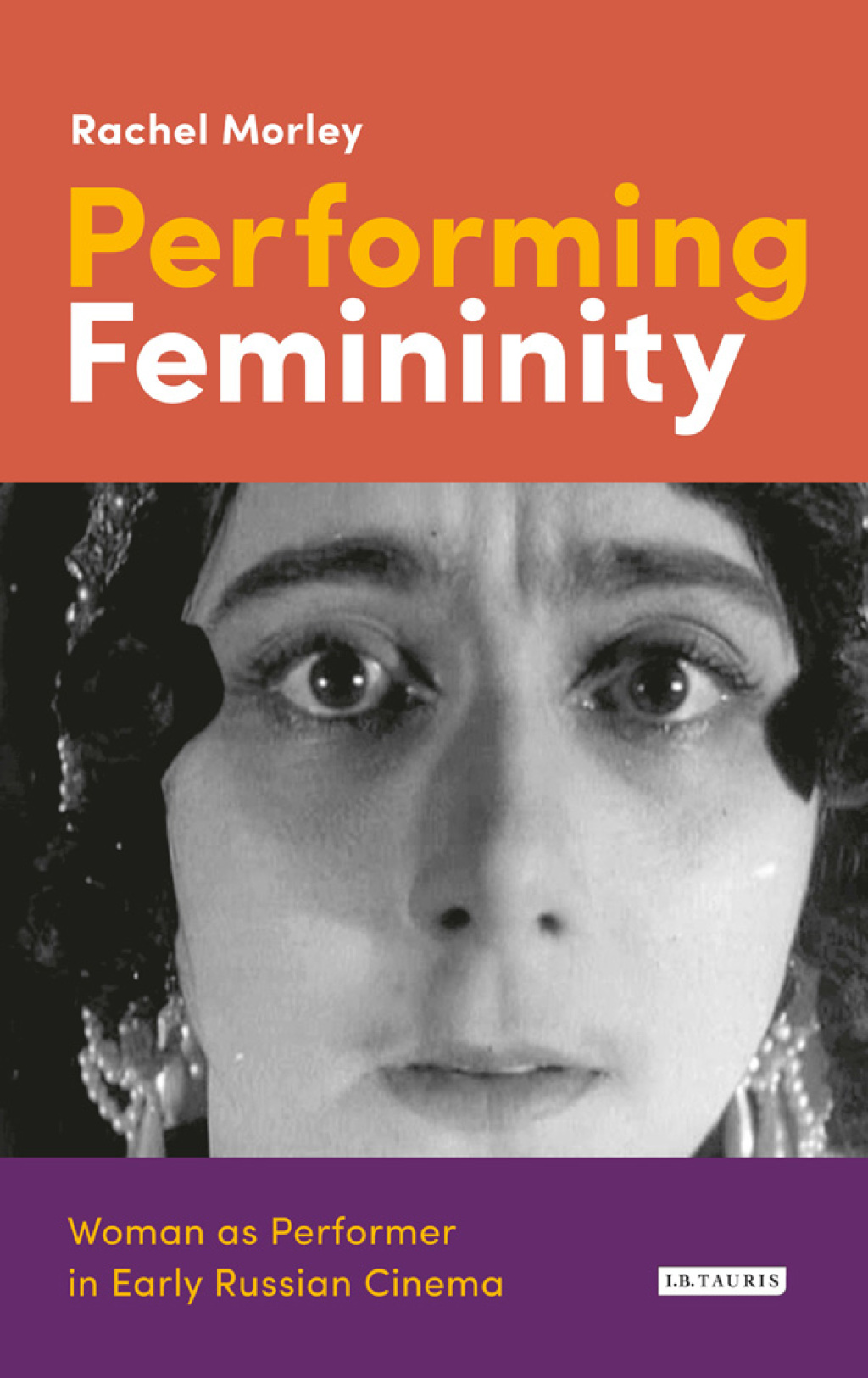
Performing Femininity Woman as Performer in Early Russian Cinema 1st Edition – PDF/EPUB Version Downloadable
$49.99
Author(s): Rachel Morley
Publisher: I.B. Tauris & Co Ltd
ISBN: 9781350242869
Edition: 1st Edition
Oriental dancers, ballerinas, actresses and opera singers the figure of the female performer is ubiquitous in the cinema of pre-Revolutionary Russia. From the first feature film, Romashkov’s Stenka Razin (1908), through the sophisticated melodramas of the 1910s, to Viskovsky’s The Last Tango (1918), made shortly before the pre-Revolutionary film industry was dismantled by the new Soviet government, the female performer remains central. In this groundbreaking new study, Rachel Morley argues that early Russian film-makers used the character of the female performer to explore key contemporary concerns from changing conceptions of femininity and the emergence of the so-called New Woman, to broader questions concerning gender identity. Morley also reveals that the film-makers repeatedly used this archetype of femininity to experiment with cinematic technology and develop a specific cinematic language.”
Related products




Performing Femininity Woman as Performer in Early Russian Cinema 1st Edition – PDF/EPUB Version Downloadable
$49.99
Author(s): Rachel Morley
Publisher: I.B. Tauris & Co Ltd
ISBN: 9781350242869
Edition: 1st Edition
Oriental dancers, ballerinas, actresses and opera singers the figure of the female performer is ubiquitous in the cinema of pre-Revolutionary Russia. From the first feature film, Romashkov’s Stenka Razin (1908), through the sophisticated melodramas of the 1910s, to Viskovsky’s The Last Tango (1918), made shortly before the pre-Revolutionary film industry was dismantled by the new Soviet government, the female performer remains central. In this groundbreaking new study, Rachel Morley argues that early Russian film-makers used the character of the female performer to explore key contemporary concerns from changing conceptions of femininity and the emergence of the so-called New Woman, to broader questions concerning gender identity. Morley also reveals that the film-makers repeatedly used this archetype of femininity to experiment with cinematic technology and develop a specific cinematic language.”