
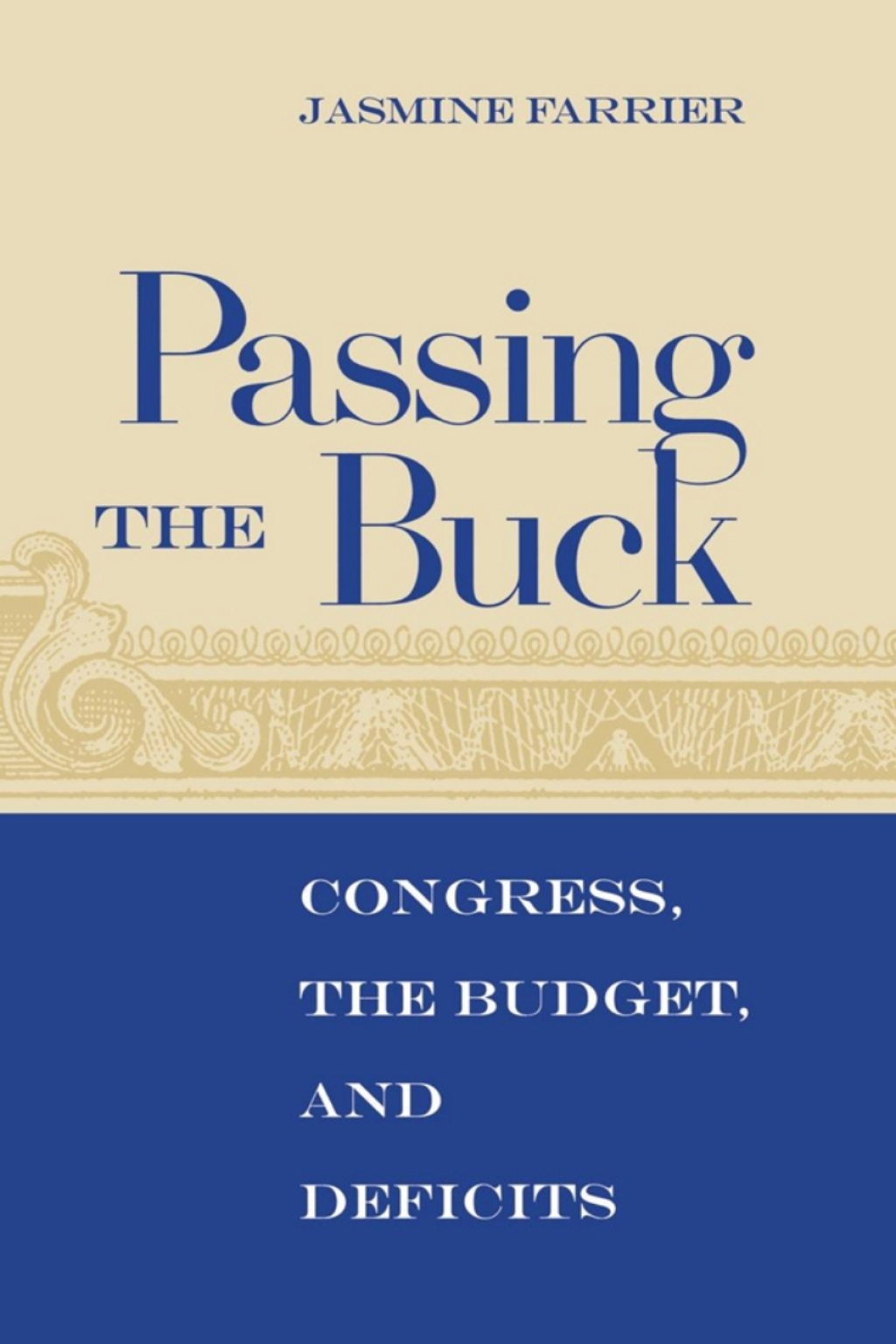

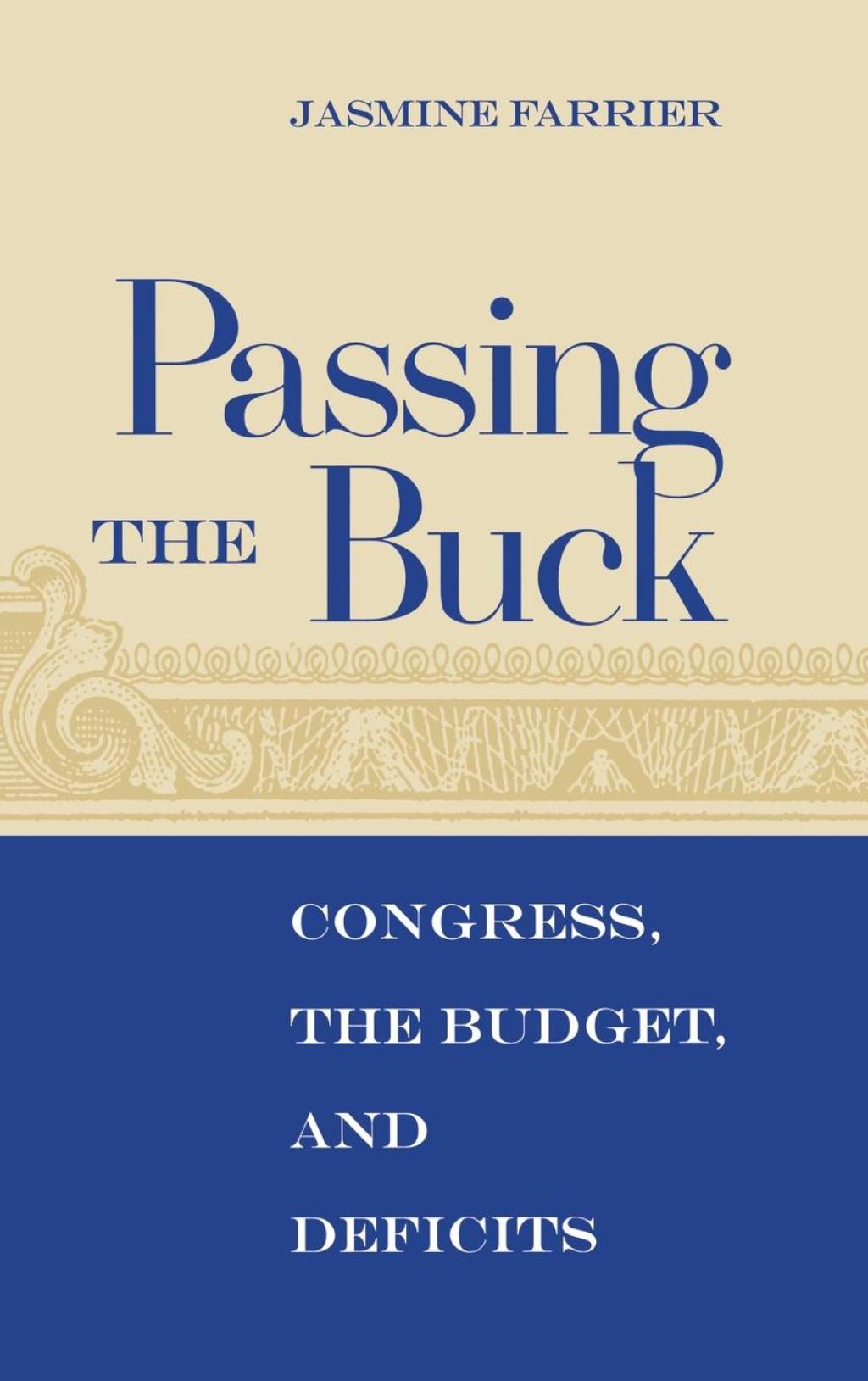
Passing the Buck Congress, the Budget, and Deficits – PDF/EPUB Version Downloadable
$49.99
Author(s): Jasmine Farrier
Publisher: The University Press of Kentucky
ISBN: 9780813123356
Edition:
In the past thirty years, Congress has dramatically changed its response to unpopular deficit spending. While the landmark Congressional Budget Act of 1974 tried to increase congressional budgeting powers, new budget processes created in the 1980s and 1990s were all explicitly designed to weaken member, majority, and institutional budgeting prerogatives. These later reforms shared the premise that Congress cannot naturally forge balanced budgets without new automatic mechanisms and enhanced presidential oversight. So Democratic majorities in Congress gave new budgeting powers to Presidents Reagan and Bush, and then Republicans did the same for President Clinton.
Passing the Buck examines how Congress is increasing delegation of a wide variety of powers to the president in recent years. Jasmine Farrier assesses why institutional ambition in the early 1970s turned into institutional ambivalence about whether Congress is equipped to handle its constitutional duties.
Related products




Passing the Buck Congress, the Budget, and Deficits – PDF/EPUB Version Downloadable
$49.99
Author(s): Jasmine Farrier
Publisher: The University Press of Kentucky
ISBN: 9780813156743
Edition:
In the past thirty years, Congress has dramatically changed its response to unpopular deficit spending. While the landmark Congressional Budget Act of 1974 tried to increase congressional budgeting powers, new budget processes created in the 1980s and 1990s were all explicitly designed to weaken member, majority, and institutional budgeting prerogatives. These later reforms shared the premise that Congress cannot naturally forge balanced budgets without new automatic mechanisms and enhanced presidential oversight. So Democratic majorities in Congress gave new budgeting powers to Presidents Reagan and Bush, and then Republicans did the same for President Clinton. Passing the Buck examines how Congress is increasing delegation of a wide variety of powers to the president in recent years. Jasmine Farrier assesses why institutional ambition in the early 1970s turned into institutional ambivalence about whether Congress is equipped to handle its constitutional duties.