
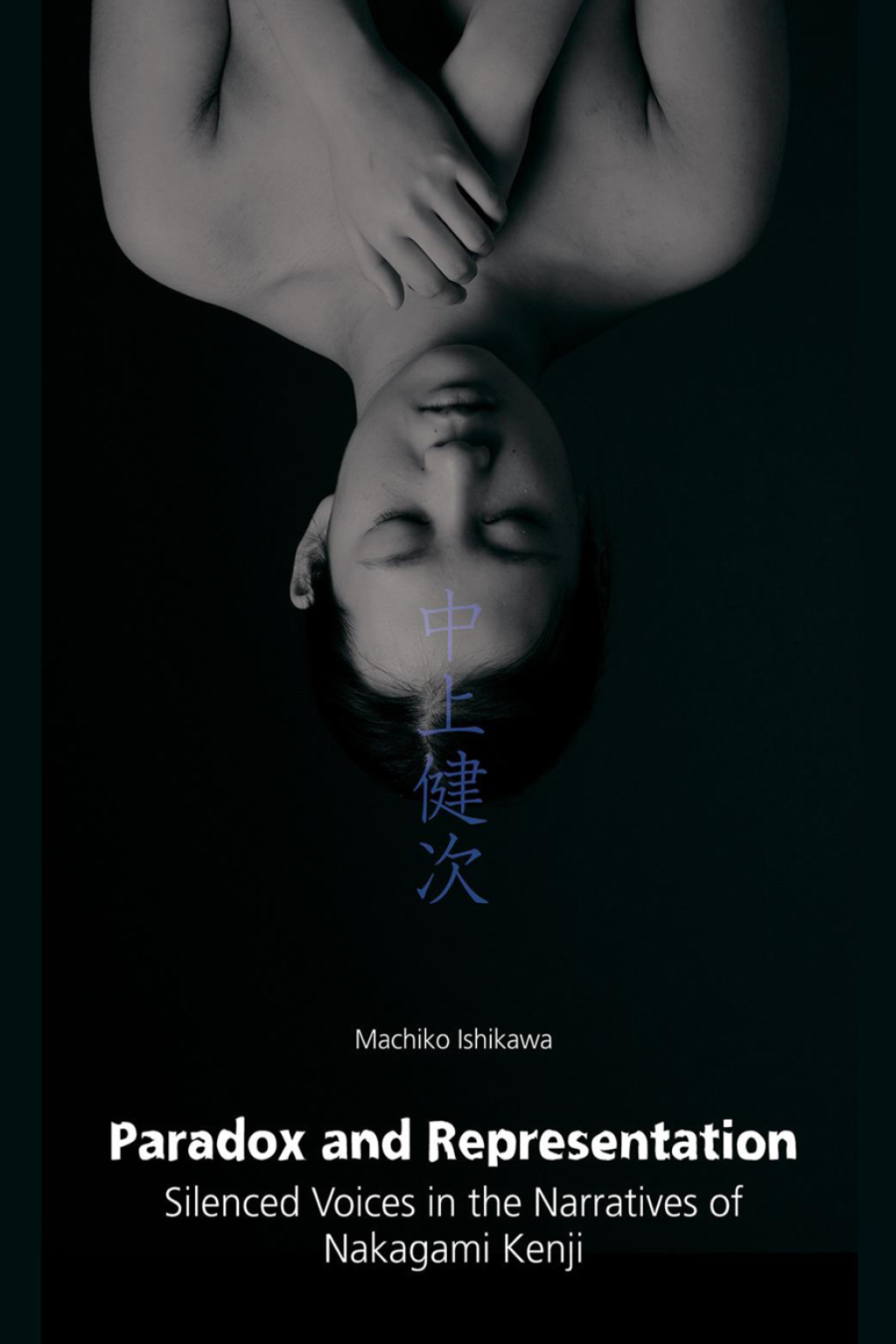


Paradox and Representation Silenced Voices in the Narratives of Nakagami Kenji – PDF/EPUB Version Downloadable
$49.99
Author(s): Machiko Iwahashi Ishikawa
Publisher: Cornell East Asia Series
ISBN: 9781501751943
Edition:
How can the “voiceless” voice be represented? This primary question underpins lshikawa’s analysis of selected work by Buraku writer, Nakagami Kenji (1946-1992). In spite of his Buraku background, Nakagami’s privilege as a writer made it difficult for him to “hear” and “represent” those voices silenced by mainstream social structures in Japan. This “paradox of representing the silenced voice” is the key theme of the book. Gayatri Spivak theorizes the (im)possibility of representing the voice of “subalterns,” those oppressed by imperialism, patriarchy and heteronomativity. Arguing for Burakumin as Japan’s “subalterns,” Ishikawa draws on Spivak to analyze Nakagami’ s texts.
The first half of the book revisits the theme of the transgressive Burakumin man. This section includes analysis of a seldom discussed narrative of a violent man and his silenced wife. The second half of the book focuses on the rarely heard voices of Burakumin women from the Akiyuki trilogy. Satoko, the prostitute, unknowingly commits incest with her half-brother, Akiyuki. The aged Yuki sacrifices her youth in a brothel to feed her fatherless family. The mute Moyo remains traumatized by rape. lshikawa’ s close reading of Nakagami’s representation of the silenced voices of these sexually stigmatized women is this book’s unique contribution to Nakagami scholarship.