
-1st-edition-%E2%80%93-pdfepub-version-downloadable-9366-1epch.jpg)
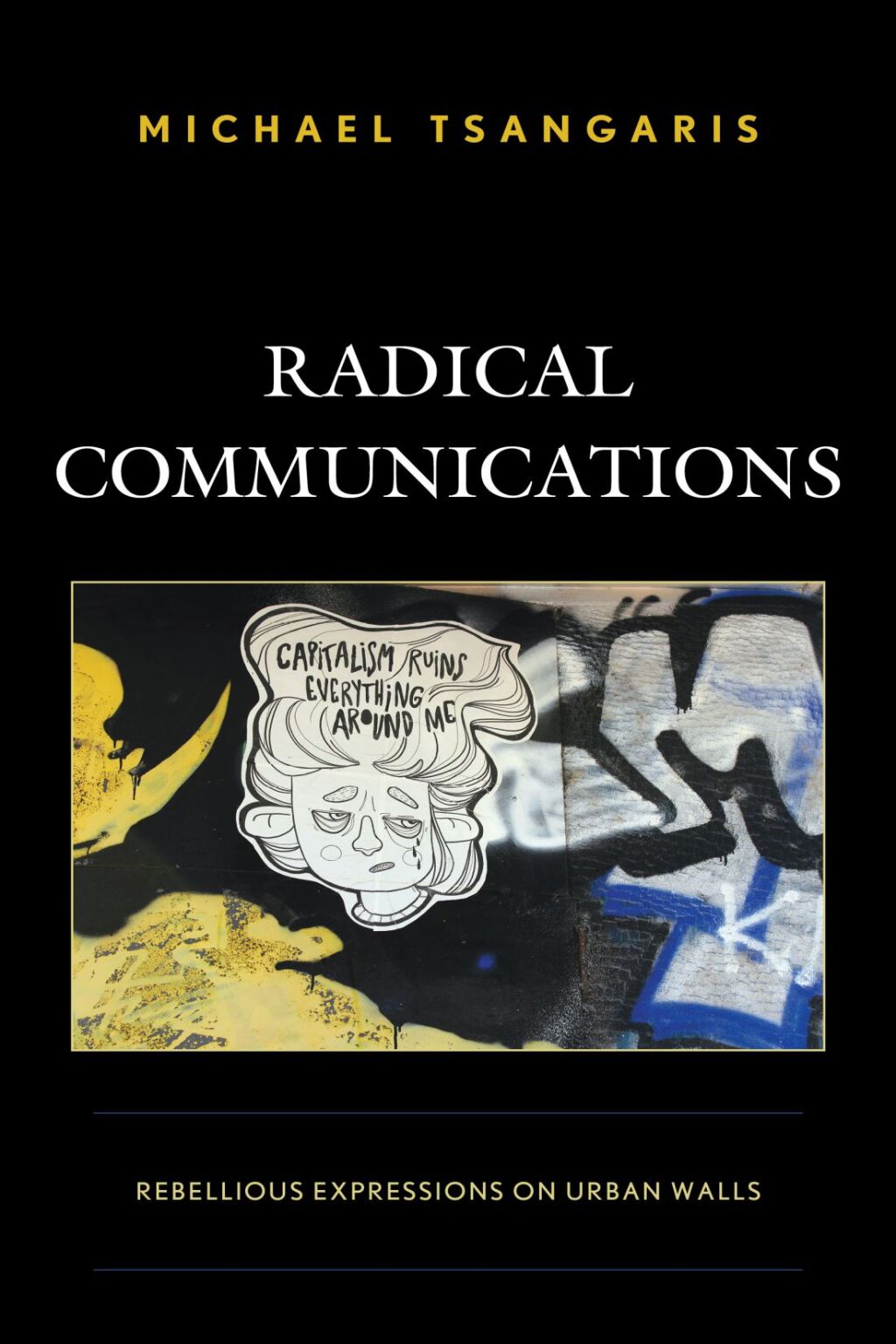
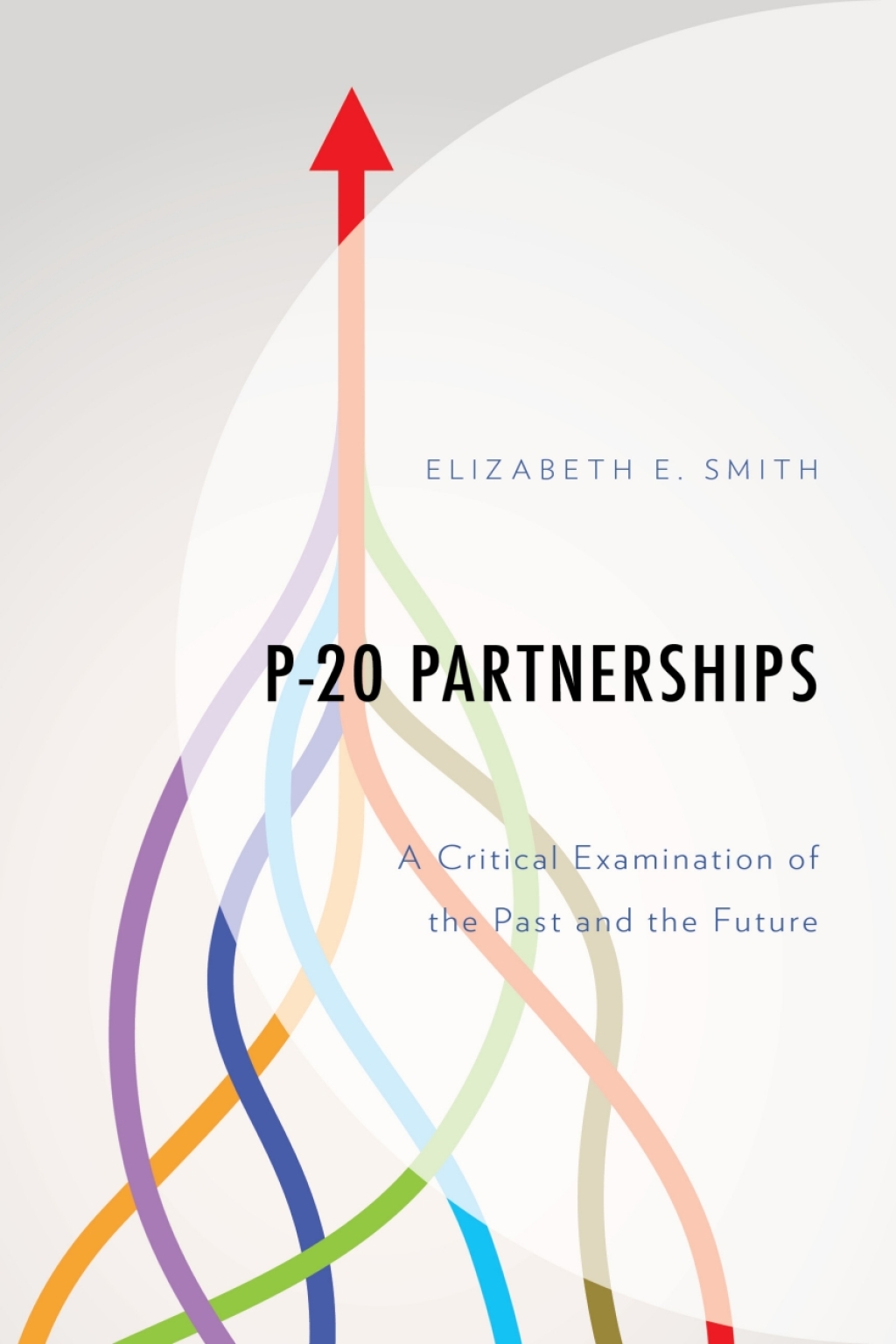
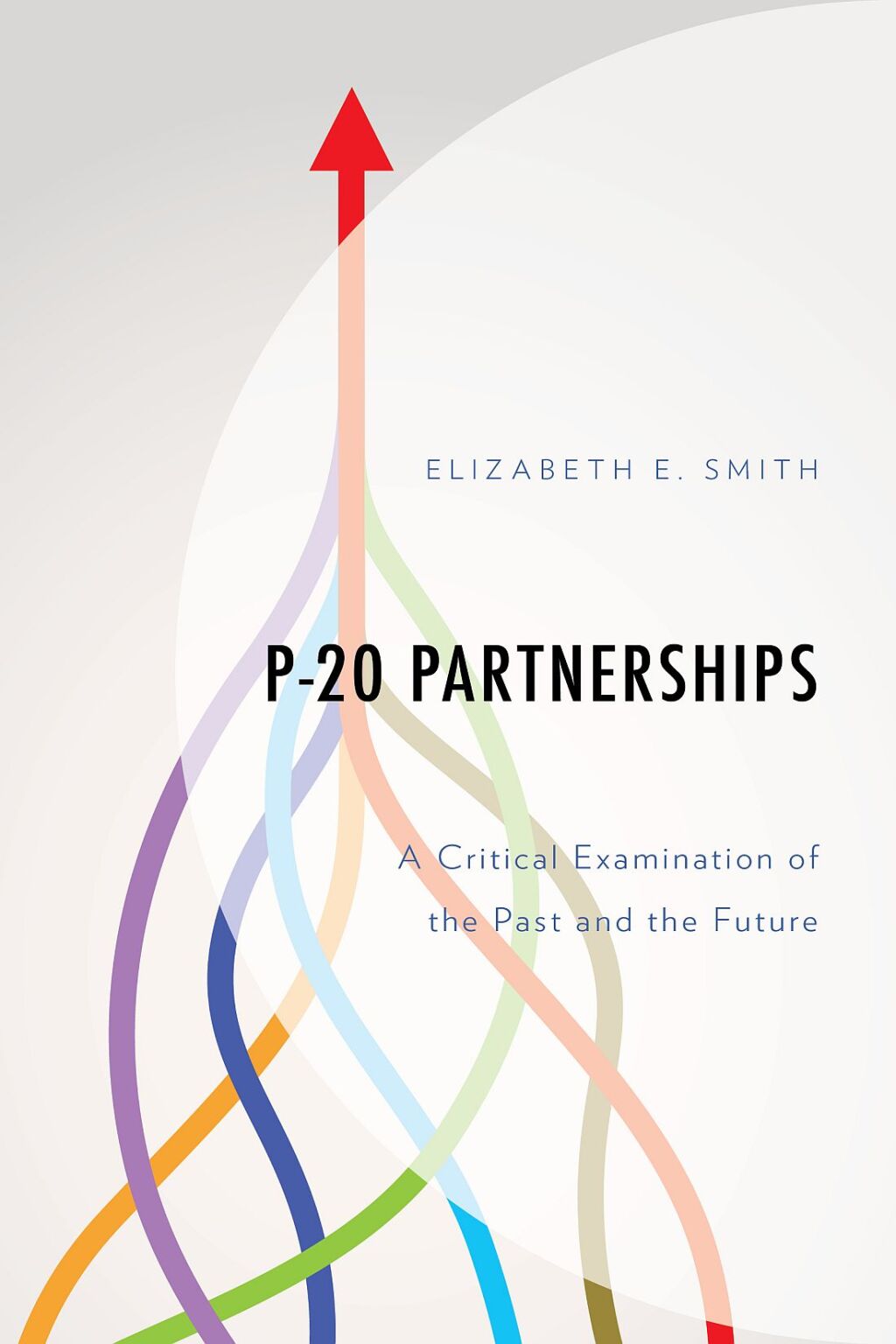
P-20 Partnerships A Critical Examination of the Past and the Future 1st Edition – PDF/EPUB Version Downloadable
$49.99
Author(s): Elizabeth E. Smith
Publisher: Lexington Books
ISBN: 9781793612687
Edition: 1st Edition
Tracing the historical development of partnerships between schools, universities, and communities, P-20 Partnerships: A Critical Examination of the Past and Future provides educators and policymakers with a framework for understanding how partnerships originated and their potential for the future. This book connects Dewey’s lab schools, Goodlad’s ideas about simultaneous renewal, and Professional Development Schools with today’s next-generation P-20 partnerships and Cradle-to-Career networks. After examining the history and development of P-20 partnerships, we are able to categorize partnerships into three different types, depending on the purpose of their outcomes: partnerships to improve P-12 schools, partnerships to improve access to post-secondary opportunities, and Research-Practice Partnerships. Rather than categorizing partnerships by their activities and curricula, this book proposes that their goals for their students are what should define these school systems.
Related products


P-20 Partnerships A Critical Examination of the Past and the Future 1st Edition – PDF/EPUB Version Downloadable
$49.99
Author(s): Elizabeth E. Smith
Publisher: Lexington Books
ISBN: 9781793612687
Edition: 1st Edition
Tracing the historical development of partnerships between schools, universities, and communities, P-20 Partnerships: A Critical Examination of the Past and Future provides educators and policymakers with a framework for understanding how partnerships originated and their potential for the future. This book connects Dewey’s lab schools, Goodlad’s ideas about simultaneous renewal, and Professional Development Schools with today’s next-generation P-20 partnerships and Cradle-to-Career networks. After examining the history and development of P-20 partnerships, we are able to categorize partnerships into three different types, depending on the purpose of their outcomes: partnerships to improve P-12 schools, partnerships to improve access to post-secondary opportunities, and Research-Practice Partnerships. Rather than categorizing partnerships by their activities and curricula, this book proposes that their goals for their students are what should define these school systems.