
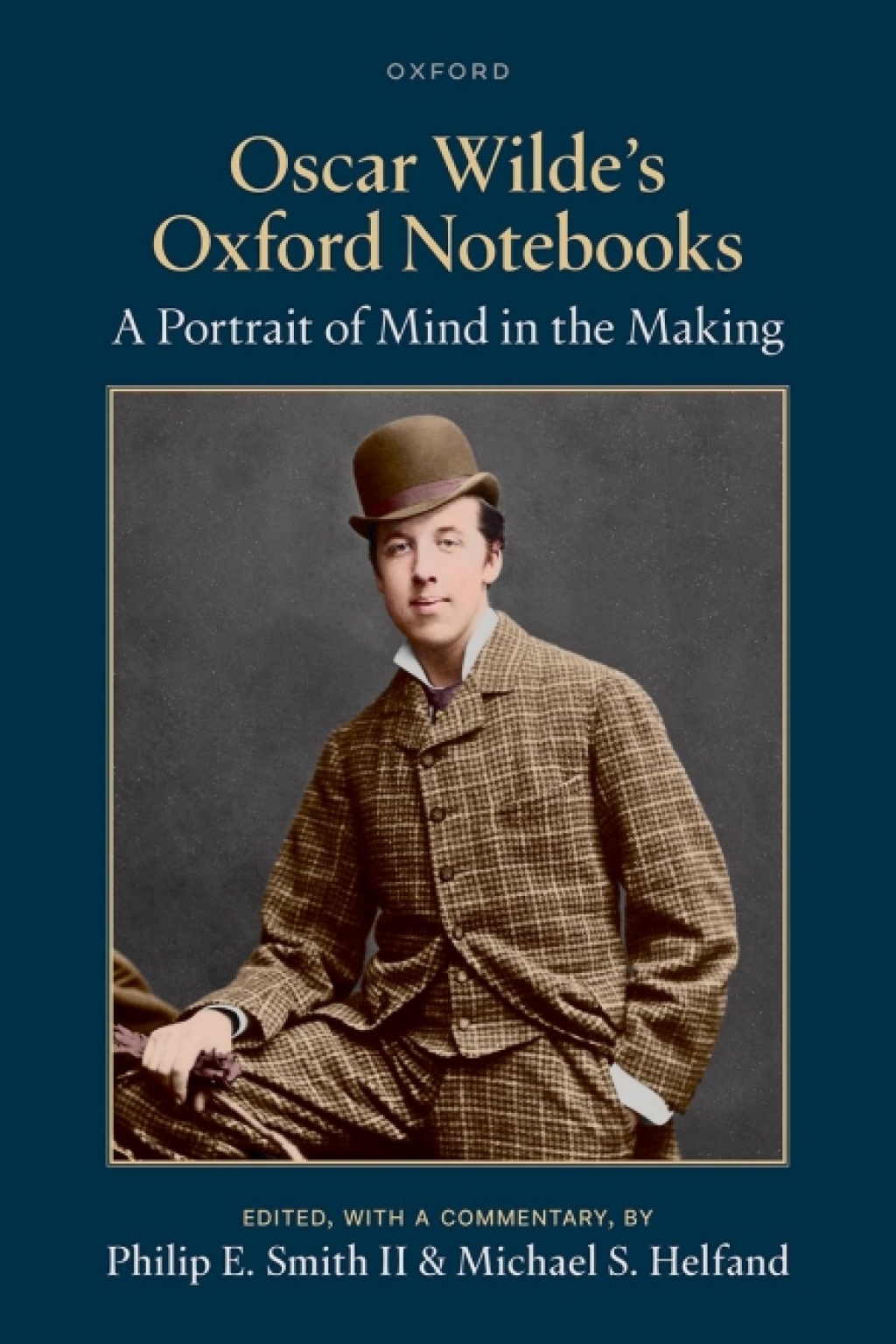
Oscar Wilde’s Oxford Notebooks A Portrait of Mind in the Making 1st Edition – PDF/EPUB Version Downloadable
$49.99
Author(s): PHILIP E. SMITH II & MICHAEL S. HELFAND
Publisher: OUP Oxford
ISBN: 9780198920731
Edition: 1st Edition
Oscar Wilde’s Oxford Notebooks, which was originally published in 1989, was the first publication of Oscar Wilde’s Notebook on History and Philosophy and his Commonplace Book, which he began to keep while a student at Oxford between 1874 and 1879, will forever alter critical perceptions of Wilde’s intentions and achievements. Containing records of his education and reading – quotations and paraphrases of other writers and Wilde’s own analytical and descriptive notes, comments, and fragmentary drafts – the notebooks show the intellectual influences he absorbed while in his early twenties. In a critical commentary the editors argue that from these sources Wilde developed a synthesis of Spencerian evolutionary theory and Hegelian philosophy that shaped his aesthetic and critical theories, his political ideals, and the themes of his most important fiction. Wilde’s synthesis, the editors contend, incorporated the views of scientists and social scientists like T. H Huxley, Charles Darwin, W. K. Clifford, John Tyndall, E. B. Tylor, and Herbert Spencer, historians like H. T. Buckle, W. H. Lecky, and Ernest Renan, and the English Hegelians, Benjamin Jowett and William Wallace. Using this synthesis, Wilde confronted the major controversies of late Victorian intellectual life: the relation of mind and matter in philosophy, the origin and development of culture, and the roles of artist and critic in the improvement of society. In addition to scrupulous annotation, this book provides a description of the manuscripts, historical evidence for dating, an introduction that describes the intellectual influence of Wilde’s parents and their circle in Dublin, and a commentary that identifies the sources in the notebooks and substantially reinterprets Wilde’s criticism and fiction. An insightful and original study that will appeal to Wilde scholars, literary critics, and intellectual historians of the 19th century, the book provides a fresh look into the intellectual development of Wilde and reveals him to be a learned, radical humanist whose artistic and intellectual growth occurred within, and is representative of, the transformation of English cultural criticism after Darwin.
Related products

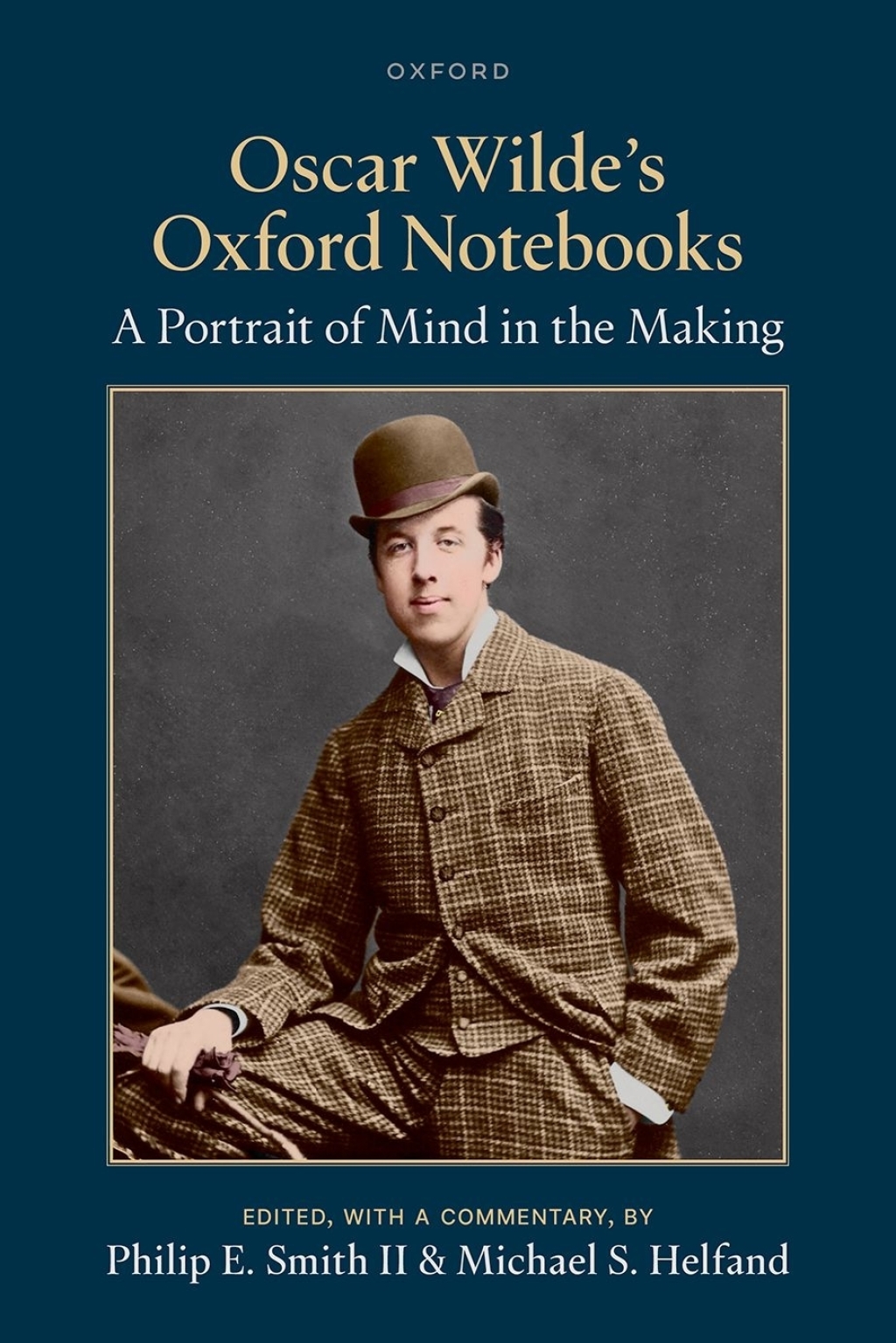

Oscar Wilde’s Oxford Notebooks A Portrait of Mind in the Making 1st Edition – PDF/EPUB Version Downloadable
$49.99
Author(s): Philip E. Smith II; Michael Helfand
Publisher: OUP Oxford
ISBN: 9780198920731
Edition: 1st Edition
Oscar Wilde’s Oxford Notebooks, which was originally published in 1989, was the first publication of Oscar Wilde’s Notebook on History and Philosophy and his Commonplace Book, which he began to keep while a student at Oxford between 1874 and 1879, will forever alter critical perceptions of Wilde’s intentions and achievements. Containing records of his education and reading – quotations and paraphrases of other writers and Wilde’s own analytical and descriptive notes, comments, and fragmentary drafts – the notebooks show the intellectual influences he absorbed while in his early twenties.
In a critical commentary the editors argue that from these sources Wilde developed a synthesis of Spencerian evolutionary theory and Hegelian philosophy that shaped his aesthetic and critical theories, his political ideals, and the themes of his most important fiction. Wilde’s synthesis, the editors contend, incorporated the views of scientists and social scientists like T. H Huxley, Charles Darwin, W. K. Clifford, John Tyndall, E. B. Tylor, and Herbert Spencer, historians like H. T. Buckle, W. H. Lecky, and Ernest Renan, and the English Hegelians, Benjamin Jowett and William Wallace.
Using this synthesis, Wilde confronted the major controversies of late Victorian intellectual life: the relation of mind and matter in philosophy, the origin and development of culture, and the roles of artist and critic in the improvement of society.
In addition to scrupulous annotation, this book provides a description of the manuscripts, historical evidence for dating, an introduction that describes the intellectual influence of Wilde’s parents and their circle in Dublin, and a commentary that identifies the sources in the notebooks and substantially reinterprets Wilde’s criticism and fiction.
An insightful and original study that will appeal to Wilde scholars, literary critics, and intellectual historians of the 19th century, the book provides a fresh look into the intellectual development of Wilde and reveals him to be a learned, radical humanist whose artistic and intellectual growth occurred within, and is representative of, the transformation of English cultural criticism after Darwin.