
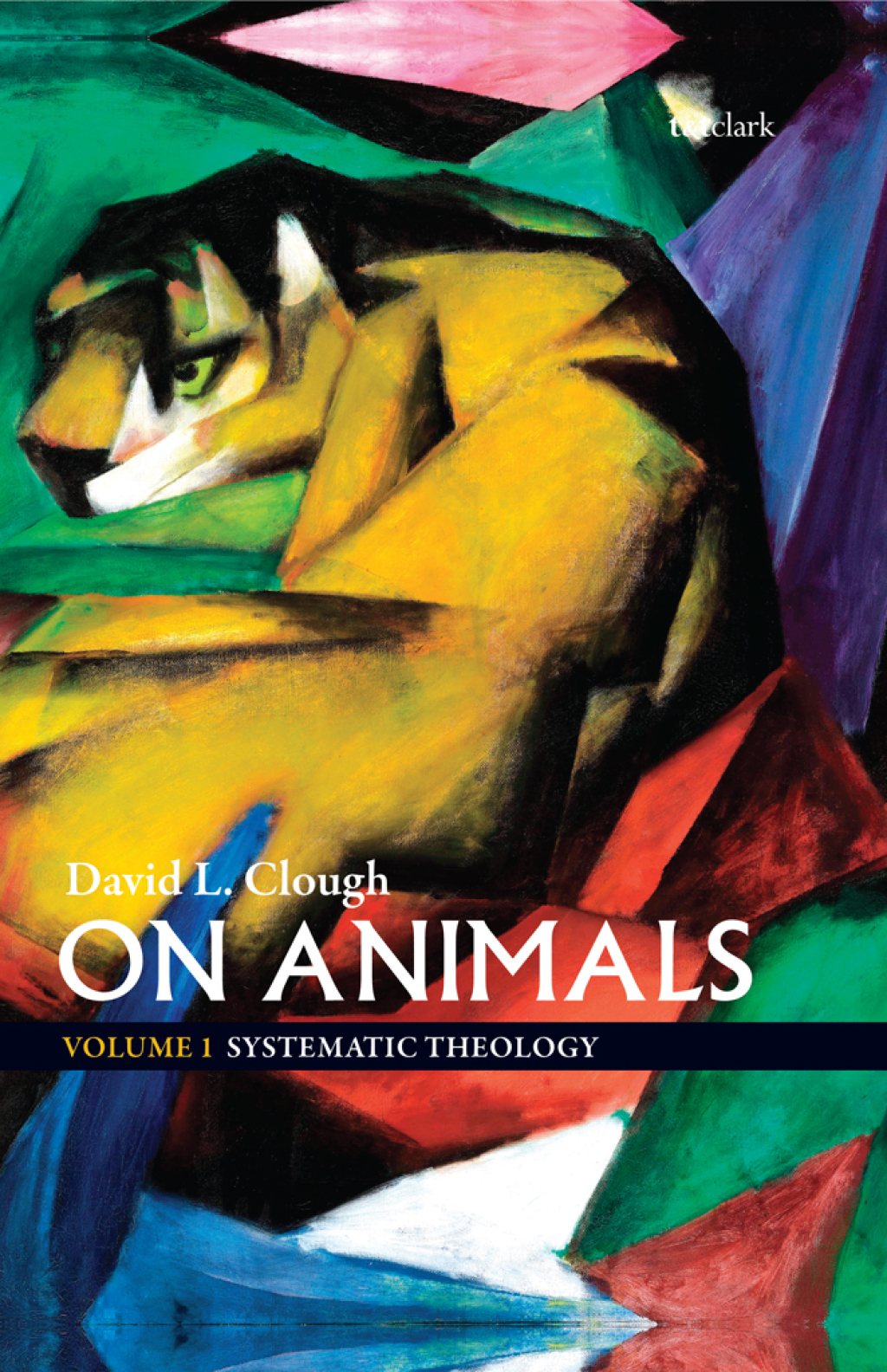
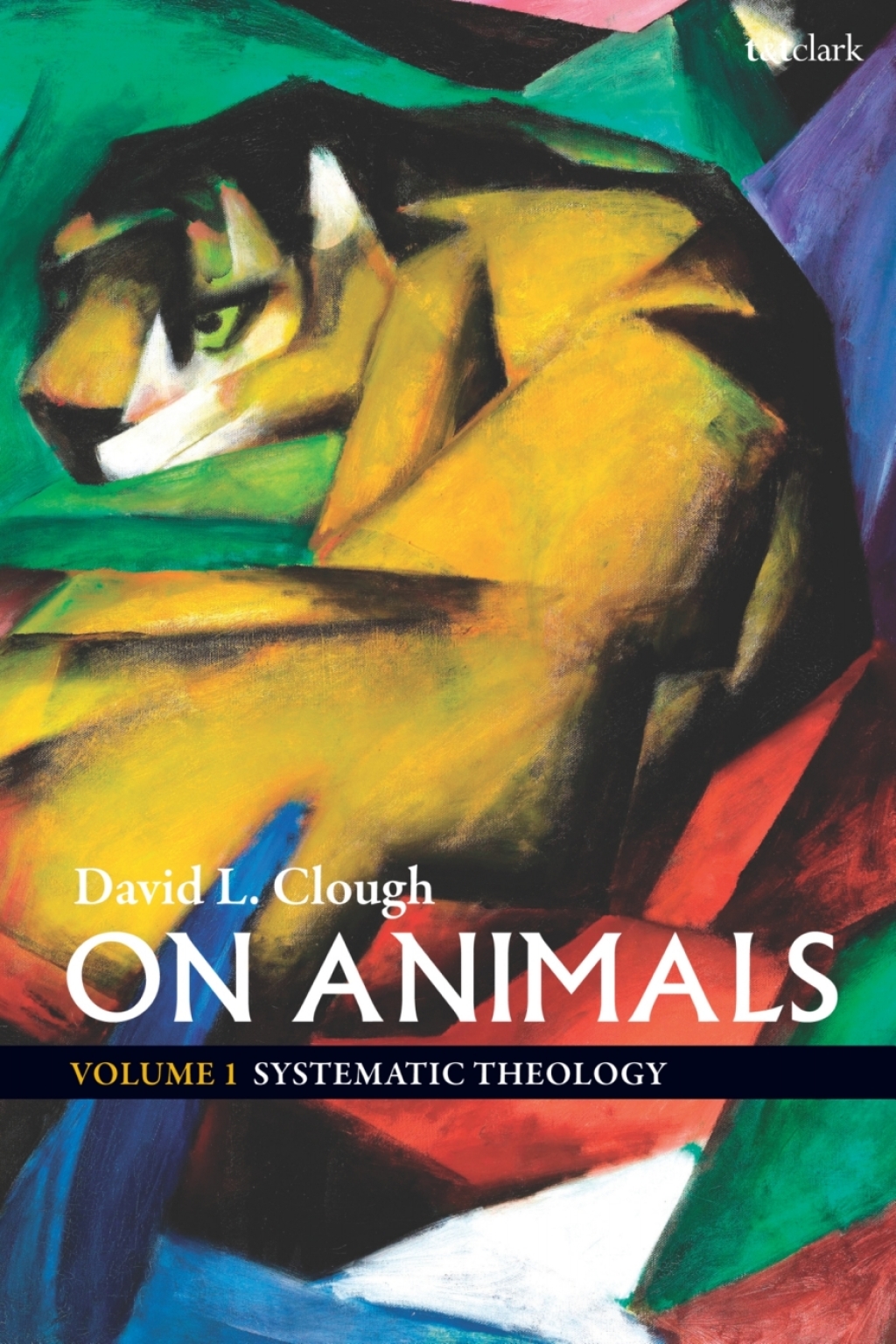
On Animals Volume I: Systematic Theology 1st Edition – PDF/EPUB Version Downloadable
$49.99
Author(s): David L. Clough
Publisher: Bloomsbury T&T Clark
ISBN: 9780567632869
Edition: 1st Edition
This volume is a project in systematic theology: a rigorous engagement with the Christian tradition in relation to animals under the doctrinal headings of creation, reconciliation and redemption and in dialogue with the Bible and theological voices central to the tradition. The book shows that such engagement with the tradition with the question of the animal in mind produces surprising answers that challenge modern anthropocentric assumptions. For the most part, therefore, the novelty of the project lies in the questions raised, rather than the proposal of innovative answers to it. The transformation in our thinking about animals for which the book argues results in the main from looking squarely for the first time at the sum of what we are already committed to believing about other animals and their place in God’s creation.
Related products

On Animals Volume I: Systematic Theology 1st Edition – PDF/EPUB Version Downloadable
$49.99
Author(s): David L. Clough
Publisher: Bloomsbury T&T Clark
ISBN: 9780567632869
Edition: 1st Edition
This volume is a project in systematic theology: a rigorous engagement with the Christian tradition in relation to animals under the doctrinal headings of creation, reconciliation and redemption and in dialogue with the Bible and theological voices central to the tradition. The book shows that such engagement with the tradition with the question of the animal in mind produces surprising answers that challenge modern anthropocentric assumptions. For the most part, therefore, the novelty of the project lies in the questions raised, rather than the proposal of innovative answers to it. The transformation in our thinking about animals for which the book argues results in the main from looking squarely for the first time at the sum of what we are already committed to believing about other animals and their place in God’s creation.