
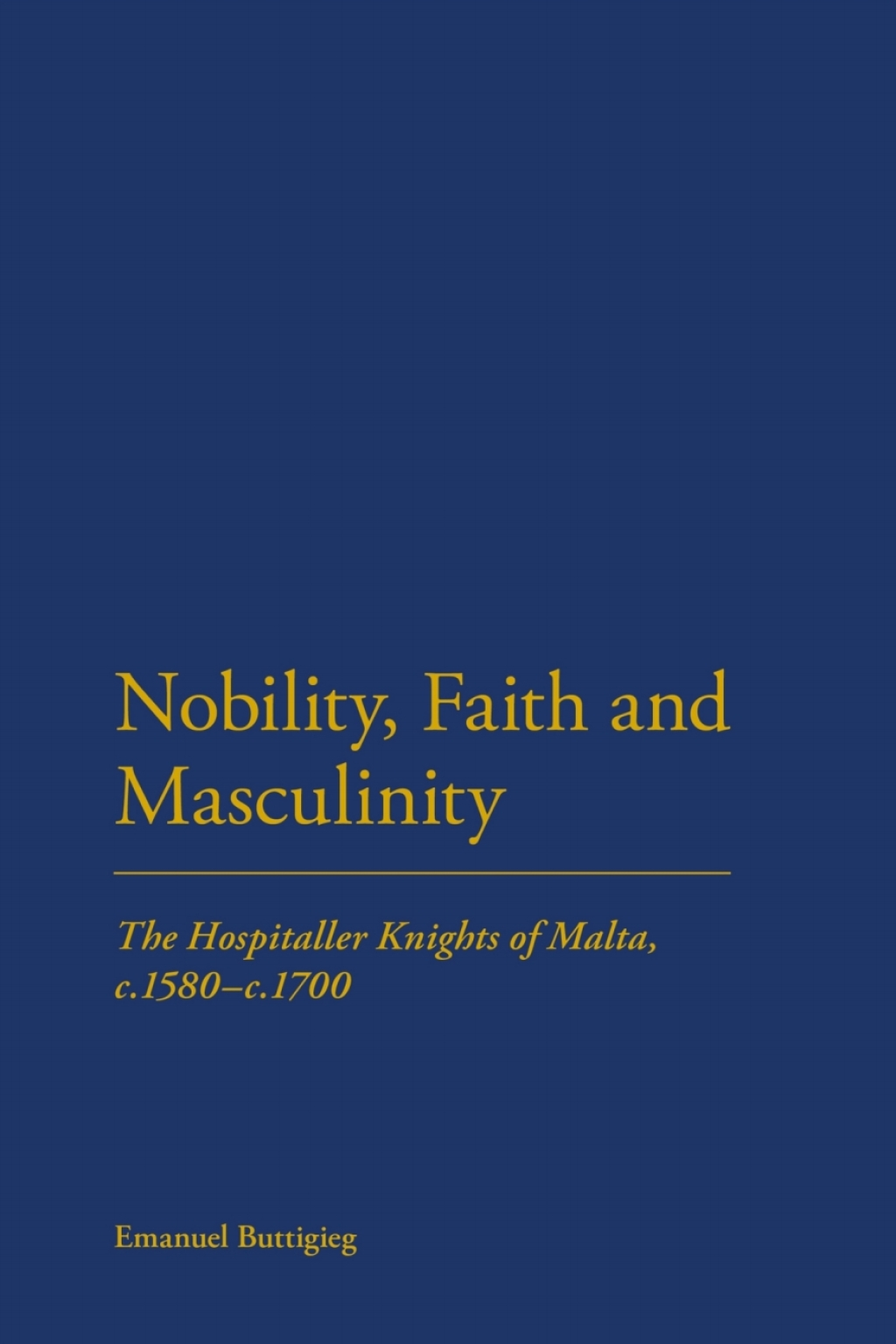
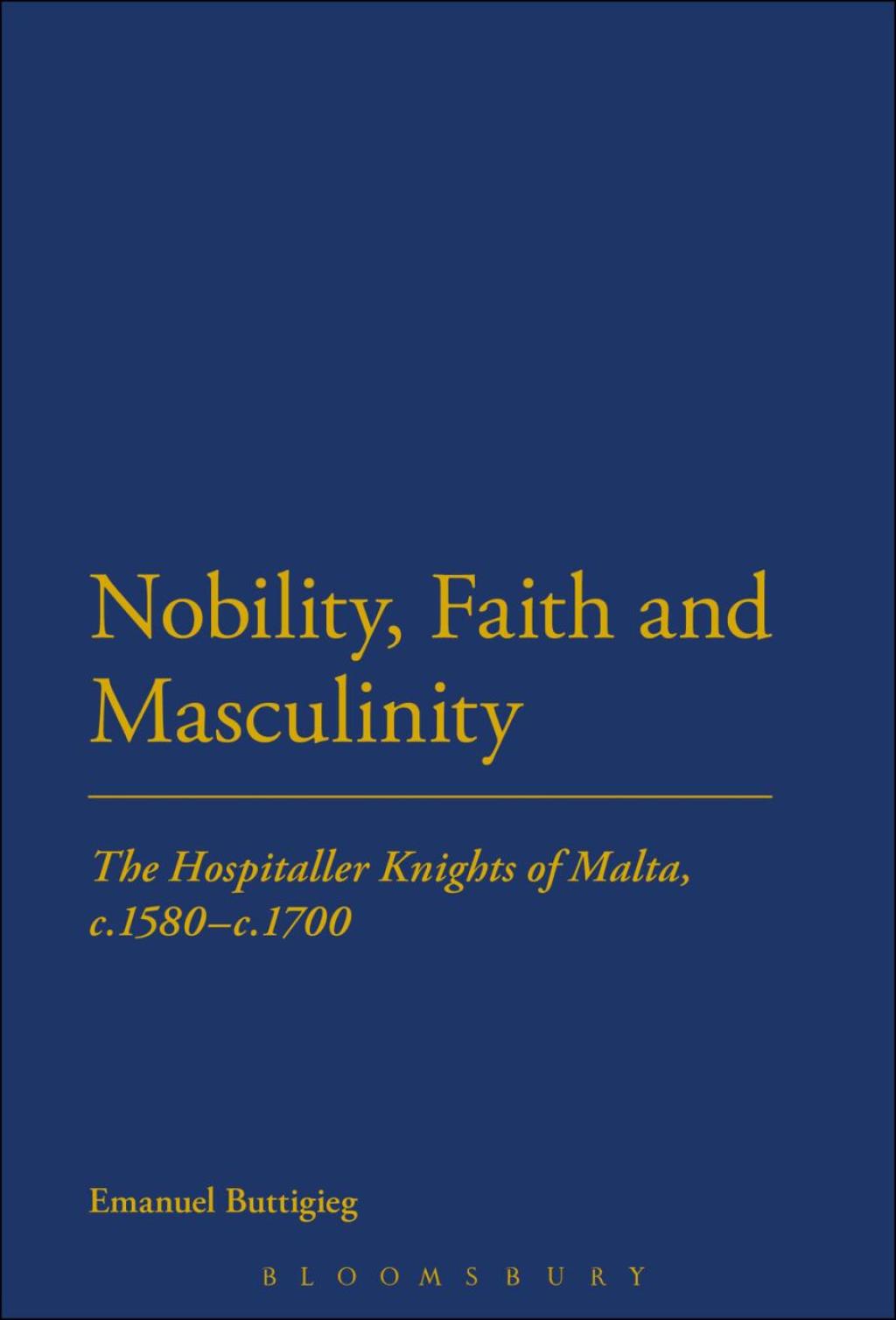
Nobility, Faith and Masculinity The Hospitaller Knights of Malta, c.1580-c.1700 1st Edition – PDF/EPUB Version Downloadable
$49.99
Author(s): Emanuel Buttigieg
Publisher: Continuum
ISBN: 9781441103437
Edition: 1st Edition
This is an important study of elite European noblemen who joined the Order of Malta. The Order – functioning in parallel with the convents that absorbed the surplus daughters of the nobility – provided a highly respectable outlet for sons not earmarked for marriage. The process of becoming a Hospitaller was a semi-structured one, involving clear-cut (if flexible) social and financial requirements on the part of the candidate, and a mixture of formal and informal socialization into the ways of the Order. Once enrolled, a Hospitaller became part of a very hierarchical and ethnically mixed organisation, within which he could seek offices and status. This process was delineated by a complex interaction of internal factors – hierarchy, patriarchy and age – set within external mechanisms such as papal patronage and interference. This book is innovative in its methodology, drawing on a wide range of sources and applying historiographical approaches not previously brought to bear on the Order.
Related products


Nobility, Faith and Masculinity The Hospitaller Knights of Malta, c.1580-c.1700 1st Edition – PDF/EPUB Version Downloadable
$49.99
Author(s): Emanuel Buttigieg
Publisher: Continuum
ISBN: 9781441103437
Edition: 1st Edition
This is an important study of elite European noblemen who joined the Order of Malta. The Order – functioning in parallel with the convents that absorbed the surplus daughters of the nobility – provided a highly respectable outlet for sons not earmarked for marriage. The process of becoming a Hospitaller was a semi-structured one, involving clear-cut (if flexible) social and financial requirements on the part of the candidate, and a mixture of formal and informal socialization into the ways of the Order. Once enrolled, a Hospitaller became part of a very hierarchical and ethnically mixed organisation, within which he could seek offices and status. This process was delineated by a complex interaction of internal factors – hierarchy, patriarchy and age – set within external mechanisms such as papal patronage and interference. This book is innovative in its methodology, drawing on a wide range of sources and applying historiographical approaches not previously brought to bear on the Order.
-1st-edition-%E2%80%93-pdfepub-version-downloadable-4292-c4gaw.jpg)