
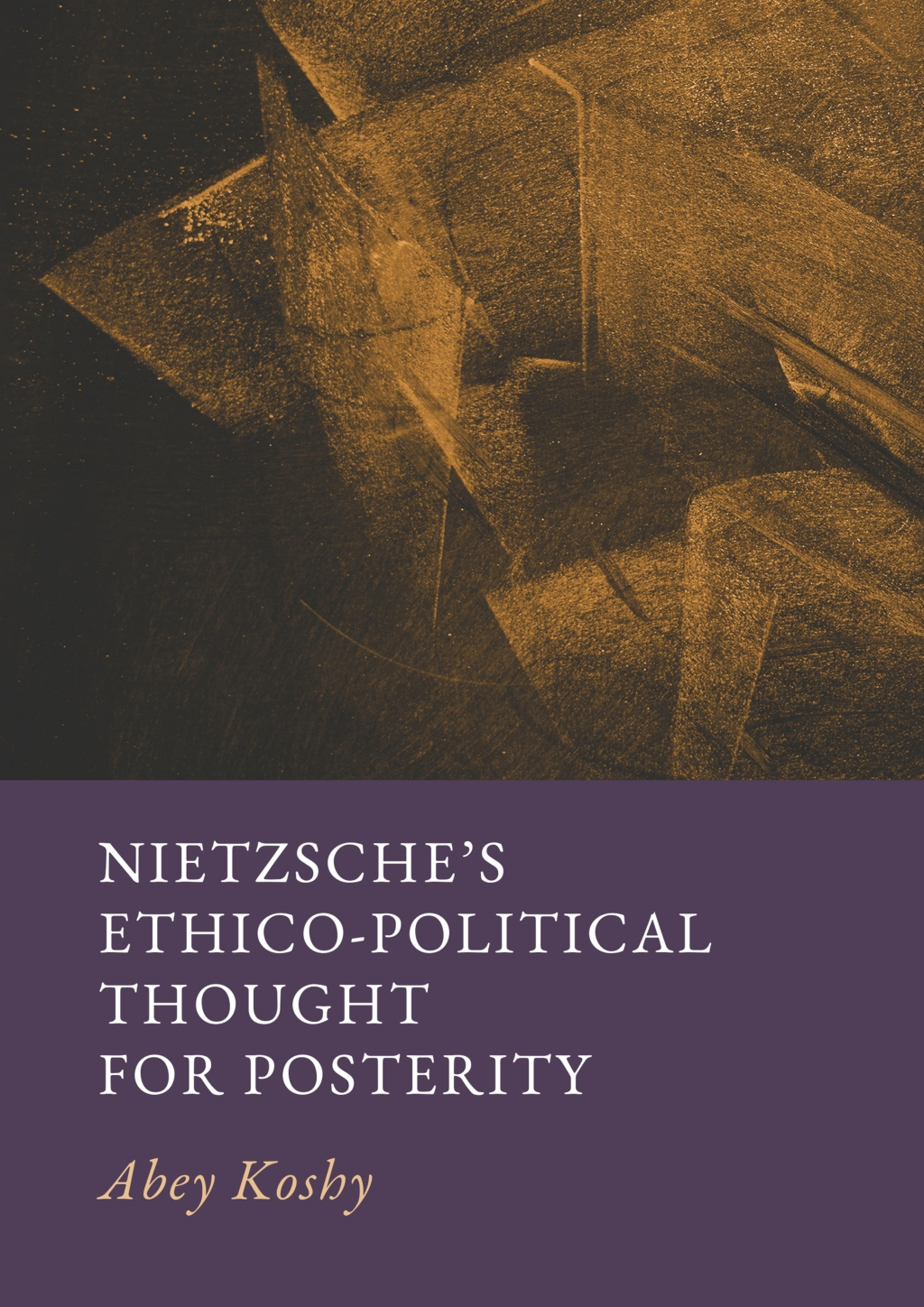
Nietzsche’s Ethico-Political Thought for Posterity 1st Edition – PDF/EPUB Version Downloadable
$49.99
Author(s): Abey Koshy
Publisher: Ethics Press
ISBN: 9781804413937
Edition: 1st Edition
This text introduces Friedrich Nietzsche as a philosopher who recognized the limitations of modern philosophical and political discourses in cultivating a higher culture for humanity. It explores his potential to envision a future free from resentment and guilt. The book weaves together Nietzsche’s major themes, including his critique of nihilism, becoming, the tragic, the will to power, genealogy, moral criticism, life affirmation, and the concept of aesthetic existence. The central focus is Nietzsche’s endeavor to overcome nihilism, which is presented as a departure from the socio-political climate shaped by modern social ideals.
The notion of the will to power is reinterpreted, emphasizing it as the drive in individuals or objects to enhance life and strength, leading to the creation of truth, morality, sciences, and religions. The text argues that modern ideals emerge due to the absence of power in individuals, and this deficiency leads to the construction of truth, morality, religion, and social institutions. The presence of power results in activity, joy, intoxication, and surplus energy.
Morality is portrayed as a political endeavor by the powerless to strip the active of their power, preventing them from taking action. Genealogy is depicted as a method of historical investigation into the origins of truths and moral values that contributed to the creation of modern nihilistic society. The text underscores the idea that the joy of existence lies in reconstructing a future world that embraces great destiny (amor-fati), counteracting nihilism through aesthetic affirmation.
-1st-edition-%E2%80%93-pdfepub-version-downloadable-8741-yaq5g.jpg)