

New American Teenagers The Lost Generation of Youth in 1970s Film 1st Edition – PDF/EPUB Version Downloadable
$49.99
Author(s): Barbara Jane Brickman
Publisher: Continuum USA
ISBN: 9781628922783
Edition: 1st Edition
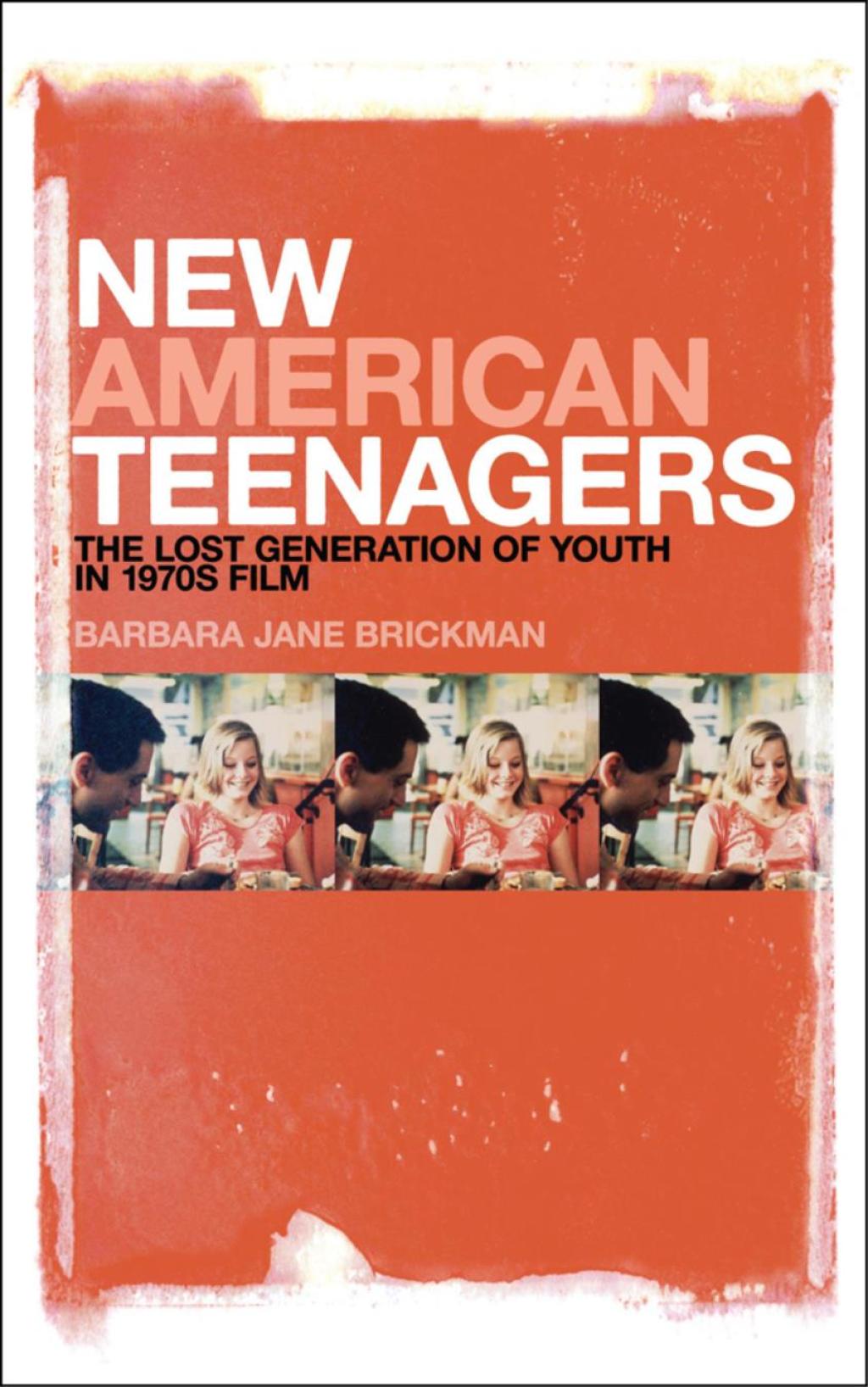
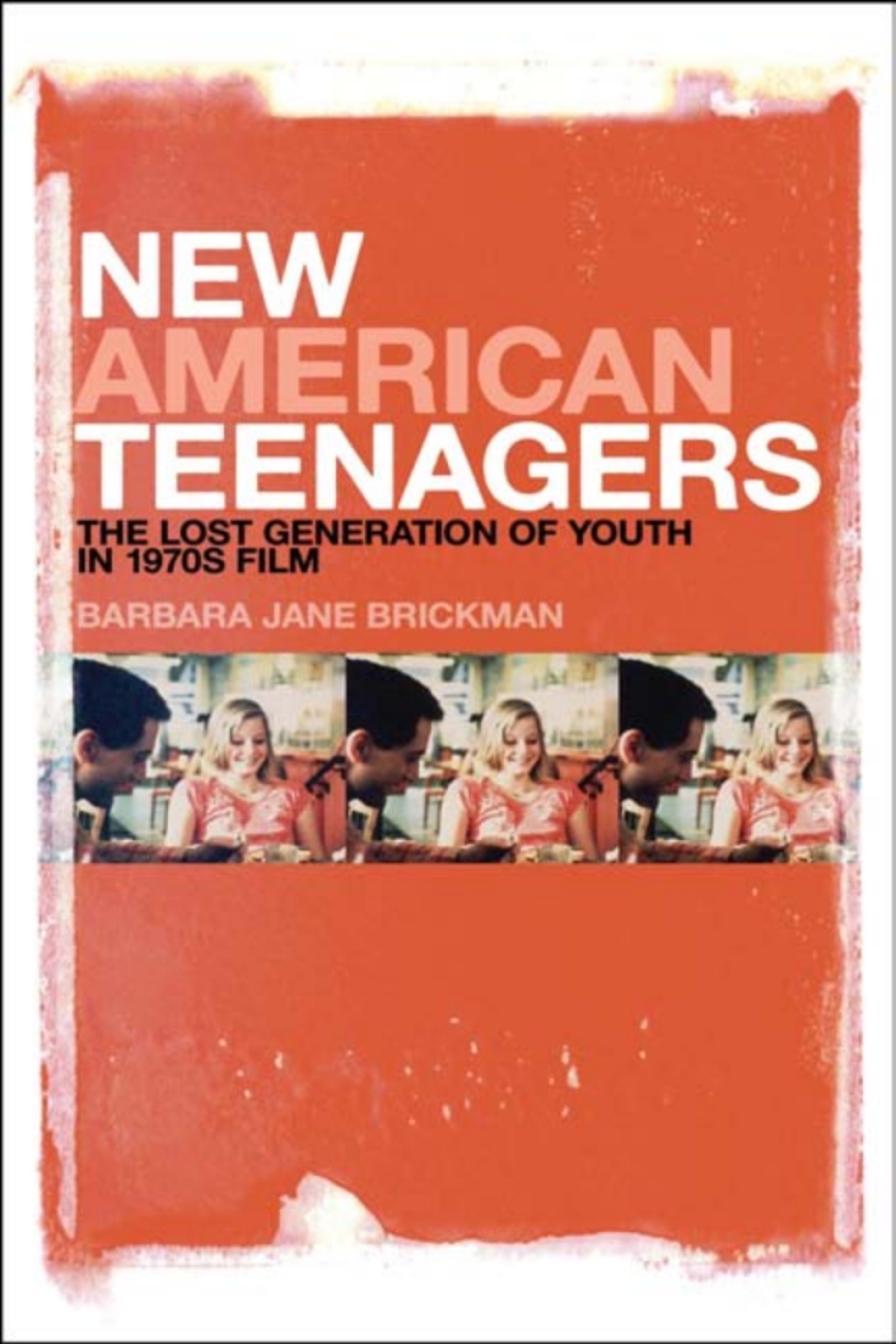
Taking a closer look at teen film in the 1970s, New American Teenagers uncovers previously marginalized voices that rework the classically male, heterosexual American teenage story. While their parents’ era defined the American teenager with the romantic male figure of James Dean, this generation of adolescents offers a dramatically altered picture of transformed gender dynamics, fluid and queered sexuality, and a chilling disregard for the authority of parent, or more specifically, patriarchal culture. Films like The Rocky Horror Picture Show, Halloween, and Badlands offer a reprieve from the ‘straight’ developmental narrative, including in the canon of study the changing definition of the American teenager. Barbara Brickman is the first to challenge the neglect of this decade in discussions of teen film by establishing the subversive potential and critical revision possible in the narratives of these new teenage voices, particularly in regards to changing notions of gender and sexuality.
Related products





New American Teenagers The Lost Generation of Youth in 1970s Film 1st Edition – PDF/EPUB Version Downloadable
$49.99
Author(s): Barbara Jane Brickman
Publisher: Continuum USA
ISBN: 9781628922783
Edition: 1st Edition
Taking a closer look at teen film in the 1970s, New American Teenagers uncovers previously marginalized voices that rework the classically male, heterosexual American teenage story. While their parents’ era defined the American teenager with the romantic male figure of James Dean, this generation of adolescents offers a dramatically altered picture of transformed gender dynamics, fluid and queered sexuality, and a chilling disregard for the authority of parent, or more specifically, patriarchal culture. Films like The Rocky Horror Picture Show, Halloween, and Badlands offer a reprieve from the ‘straight’ developmental narrative, including in the canon of study the changing definition of the American teenager. Barbara Brickman is the first to challenge the neglect of this decade in discussions of teen film by establishing the subversive potential and critical revision possible in the narratives of these new teenage voices, particularly in regards to changing notions of gender and sexuality.