
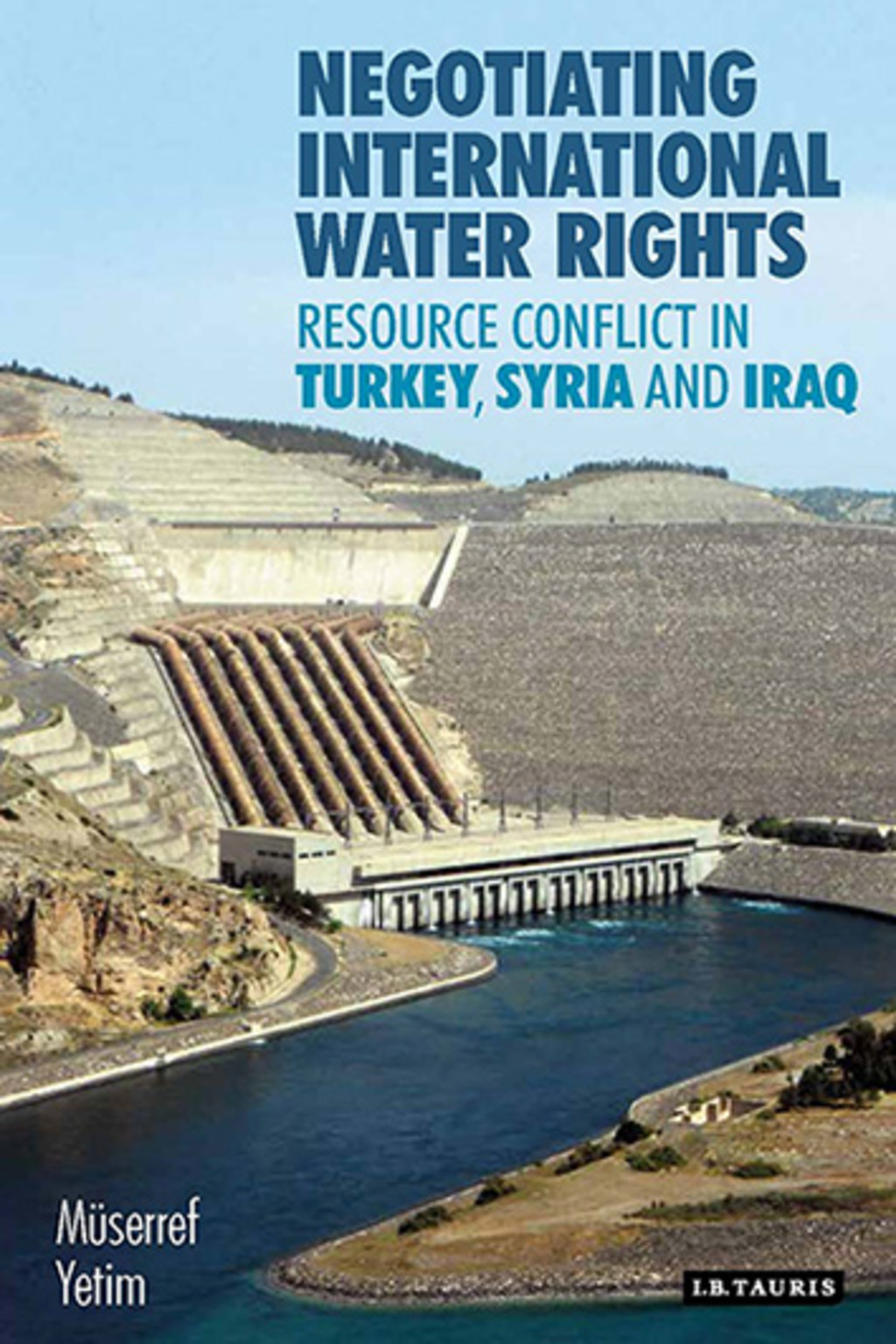

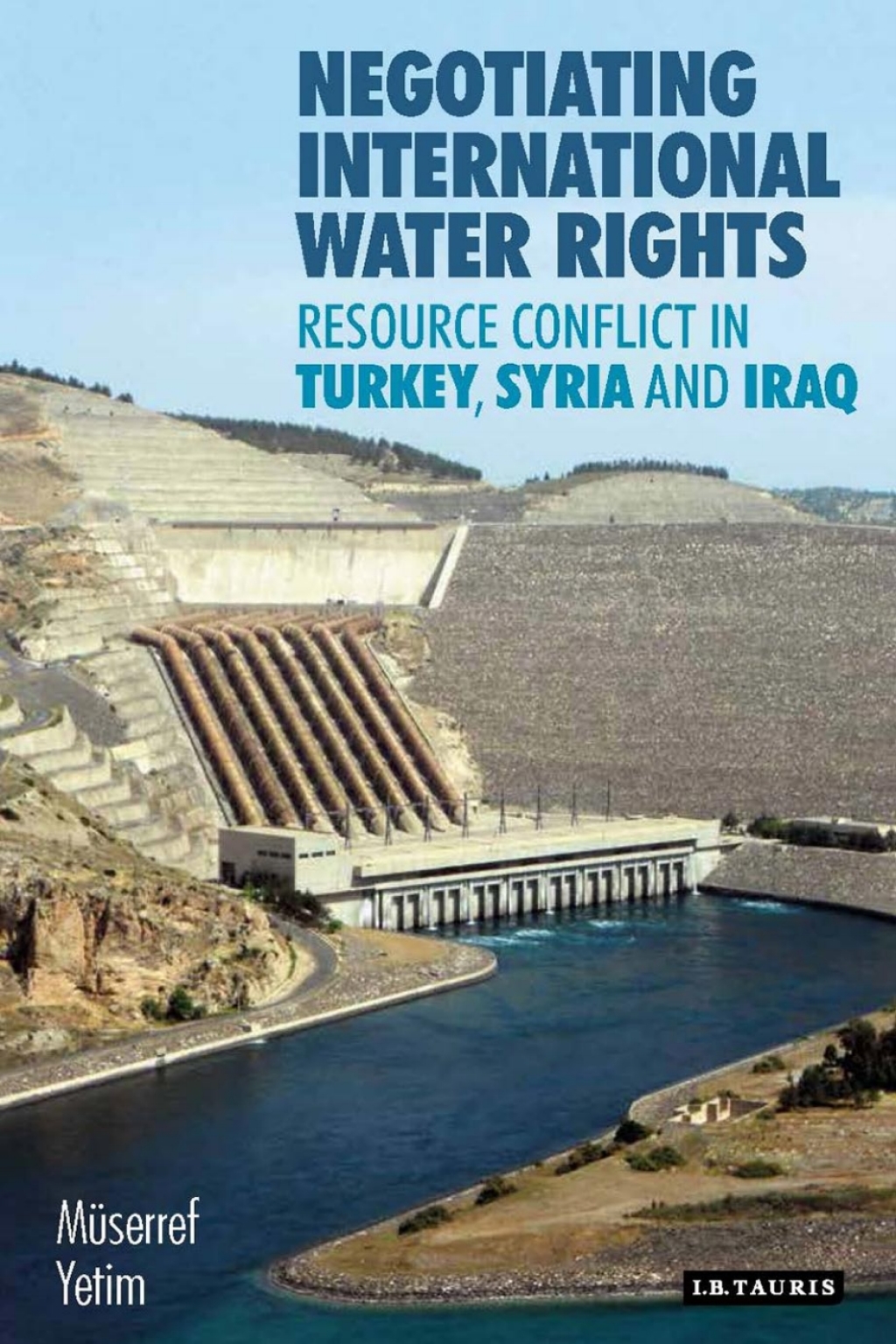
Negotiating International Water Rights Natural Resource Conflict in Turkey, Syria and Iraq 1st Edition – PDF/EPUB Version Downloadable
$49.99
Author(s): Muserref Yetim
Publisher: I.B. Tauris & Co Ltd
ISBN: 9781784535520
Edition: 1st Edition
Transboundary watercourses account for an estimated 60 per cent of global freshwater flow and support the livelihoods of hundreds of millions of people worldwide. Yet the indeterminate status of water rights in many international watercourses presents a problem and many attempts to resolve water rights issue have failed. Knowing how and where negotiations fail is essential if successful resolution is to be achieved. Muserref Yetim’s important book seeks to illustrate a means to the peaceful resolution of natural resource based conflicts. Through a detailed study of the Tigris-Euphrates water conflict, involving Turkey, Syria and Iraq, countries of vital security interest to the world at large, the author clarifies the collective action dilemmas confronting Middle Eastern watercourses and reveals the bargaining bottlenecks where negotiations fail. She develops an original framework that explains bargaining failures and proposes conditions for creating a new property rights regime among watercourse states that offers a route to governing their shared water resources in ways that are politically, economically and environmentally sound. In almost all water scarce regions, international water resources are subject to intense unilateral exploitation in a highly competitive fashion. And as demand for freshwater continues to increase, through increasing urbanization and the continuing development of societies, so the issue of how such shared water resources can best be governed is becoming vitally important. Negotiating International Water Rights offers both a timely contribution to a matter of international concern and important insights into resource conflict in countries of vital security interest to the world at large.
Related products


Negotiating International Water Rights Natural Resource Conflict in Turkey, Syria and Iraq 1st Edition – PDF/EPUB Version Downloadable
$49.99
Author(s): Muserref Yetim
Publisher: I.B. Tauris & Co Ltd
ISBN: 9781784535520
Edition: 1st Edition
Transboundary watercourses account for an estimated 60 per cent of global freshwater flow and support the livelihoods of hundreds of millions of people worldwide. Yet the indeterminate status of water rights in many international watercourses presents a problem and many attempts to resolve water rights issue have failed. Knowing how and where negotiations fail is essential if successful resolution is to be achieved. Muserref Yetim’s important book seeks to illustrate a means to the peaceful resolution of natural resource based conflicts. Through a detailed study of the Tigris-Euphrates water conflict, involving Turkey, Syria and Iraq, countries of vital security interest to the world at large, the author clarifies the collective action dilemmas confronting Middle Eastern watercourses and reveals the bargaining bottlenecks where negotiations fail. She develops an original framework that explains bargaining failures and proposes conditions for creating a new property rights regime among watercourse states that offers a route to governing their shared water resources in ways that are politically, economically and environmentally sound. In almost all water scarce regions, international water resources are subject to intense unilateral exploitation in a highly competitive fashion. And as demand for freshwater continues to increase, through increasing urbanization and the continuing development of societies, so the issue of how such shared water resources can best be governed is becoming vitally important. Negotiating International Water Rights offers both a timely contribution to a matter of international concern and important insights into resource conflict in countries of vital security interest to the world at large.
-1st-edition-%E2%80%93-pdfepub-version-downloadable-8741-yaq5g.jpg)